

Importance of Choosing the Right Running Shoes
Let’s be honest—nothing can ruin a good run faster than the wrong pair of shoes. Whether you’re just starting out or you’re a seasoned marathoner, your running shoes play a huge role in how you perform, how comfortable you feel, and most importantly, how safe you stay from injuries. Think about it: the right shoes provide the support and cushioning you need to run longer and feel better, while the wrong shoes can lead to aches, blisters, and even more serious injuries like shin splints or stress fractures.
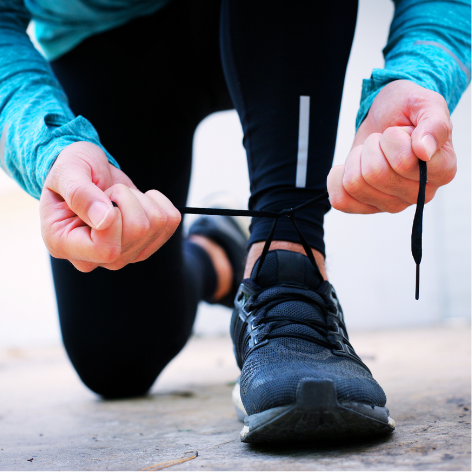
There are so many different types of running shoes out there because every runner is unique. Are you a neutral runner with a natural stride? Do you tend to overpronate or underpronate? Maybe you’re hitting the trails instead of the pavement, or you’re training for speed.
There’s a shoe out there for each of these needs, and it’s important to understand how each type can affect your running experience.
In this article, we’re diving into how to pick the best running shoes for you. Our goal is simple: to help you find the perfect pair that meets your individual needs, whether you’re running for fitness, racing, or just enjoying the outdoors. We’ll walk through the top 10 running shoes for 2025, highlighting what makes each one unique, and what kind of runner they’re best for.
We’ve based our picks on a variety of factors like comfort, cushioning, durability, and design. After all, the best running shoes should not only fit your feet well but also support your running style and goals. So, whether you’re a casual jogger or a competitive runner, this guide will help you make an informed decision and step up your running game!
Factors to Consider When Choosing Running Shoes
Choosing the right running shoes is not as simple as picking a pair that looks cool or fits your budget. There are a few key factors that can make a huge difference in your comfort, performance, and injury prevention. Let’s break it down.
A. Foot Type and Gait
Before you even think about buying shoes, it’s important to understand your foot type. Are you a neutral runner with a natural stride? Do you overpronate (roll your feet inward when you run) or underpronate (feet roll outward)? Knowing this helps you pick the right shoe that offers the support your feet need.
A gait analysis can also be really helpful. Many running stores offer this service, where they observe your running form and recommend shoes based on how your feet move. It’s a quick and easy way to make sure you’re getting the right fit and support.
B. Cushioning and Comfort
Next up: cushioning. Running shoes can have a wide range of cushioning, from minimalist to maximum plush. Some runners love the feel of a lightweight, minimalist shoe that offers a more “barefoot” experience, while others prefer extra cushioning to soften the impact on their joints, especially during long runs.
Different types of cushioning can make a big difference, too. Shoes with foam cushioning are common and provide a nice balance of comfort and responsiveness. Gel and air cushioning, on the other hand, absorb shock and provide a more cushioned, bouncy feel. If you’re looking for something that’ll protect your joints but still feel responsive, you might want to consider shoes with these types of cushioning.
C. Fit and Support
A proper fit is non-negotiable. If your shoes are too tight or too loose, you’ll quickly find yourself dealing with blisters, discomfort, or worse, injuries. The fit should be snug in the midfoot but offer enough room in the toe box to wiggle your toes. A shoe that fits well will make all the difference in your long-term comfort.
Support is also key—especially in areas like the arch and heel. Arch support is important if you have high arches or flat feet, and a higher heel-to-toe drop might be more comfortable for certain runners. Make sure your shoes provide the right kind of support to help you avoid strain during your runs.
D. Terrain and Running Style
Where you run plays a big role in the type of shoe you need. Road running shoes are typically designed for smooth, paved surfaces, offering cushioning and support for repetitive impact. If you’re hitting the trails, though, you’ll need a pair of trail running shoes that offer better grip, stability, and durability to handle uneven terrain.
Also, think about your running style. Are you sprinting short distances or going for long-distance runs? For sprints, you might need something lightweight and responsive, while long-distance shoes often emphasize cushioning and comfort for those extended miles.
E. Durability and Weight
How long your shoes last can depend on the materials used and how often you run in them. If you’re putting in high mileage, look for shoes that are durable enough to handle it. But don’t forget about weight—heavier shoes might provide more cushioning but could slow you down, while lighter shoes could help you move faster but may wear out quicker. It’s a balance between comfort and performance, depending on how you plan to use the shoes.
F. Price and Value
Finally, let’s talk about price. Running shoes can range from affordable to pretty expensive, and while it’s tempting to go for the cheapest option, you’ll want to make sure you’re getting the best value. A more expensive shoe might offer better cushioning, durability, and technology, but it’s not always necessary. Consider how often you run and what features matter most to you when making your decision. Sometimes, spending a little more upfront means fewer injuries and longer-lasting comfort.
All of these factors play a role in making sure you pick the best running shoes for your needs. It’s worth taking the time to consider them so you can run comfortably and injury-free!
Top 10 Running Shoes of 2025
We’ve carefully selected these top 10 running shoes for 2025 based on a variety of factors—comfort, performance, expert reviews, and real-world testing. Each shoe made the list because it delivers a standout combination of support, cushioning, durability, and overall value for the price. Whether you’re a casual jogger or a marathoner, these shoes will help elevate your running experience.
Let’s dive into the details of each one.
Shoe #1: Brooks Ghost 15
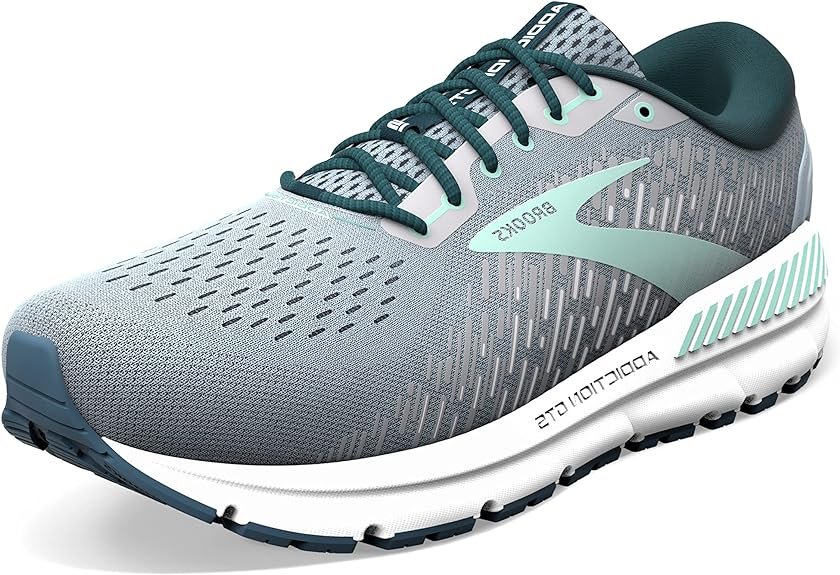
Brooks Women’s Addiction GTS 15 Supportive Running Shoe
- Unique Features: The Brooks Ghost 15 features DNA LOFT cushioning and a Segmented Crash Pad, which makes for smooth transitions and a soft, responsive ride. This shoe is built to give you that “floating” feel while still offering plenty of support.
- Best For: Neutral runners who want a comfortable shoe for daily training with excellent cushioning.
- Pros:
- Soft yet responsive cushioning.
- Smooth ride and easy transitions.
- Durable for high mileage.
- Cons:
- May not offer enough support for those with overpronation.
- Some runners find the upper a bit too snug.
Shoe #2: ASICS Gel-Nimbus 25

ASICS Women’s Gel-Nimbus 25 Running Shoes, 8.5, Black/Pure Silver
- Unique Features: The Gel-Nimbus 25 is packed with PureGEL technology for maximum shock absorption and an engineered knit upper for a breathable, flexible fit.
- Best For: Runners looking for a plush, cushioned shoe for long runs or those who want superior shock absorption.
- Pros:
- Excellent cushioning for a soft, comfortable ride.
- Breathable upper for a better fit.
- Ideal for long-distance runners.
- Cons:
- Heavier than some other models.
- Not as responsive for speedwork.
Shoe #3: Nike Air Zoom Pegasus 40
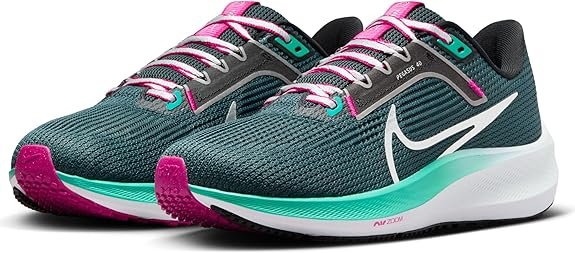
Nike Women’s W Air Zoom Pegasus 40 Running Shoes
- Unique Features: Featuring Zoom Air units and a breathable design, the Pegasus 40 is built to give you a comfortable, responsive feel while ensuring your feet stay cool throughout your run.
- Best For: Runners who want a versatile, all-around shoe for a variety of running styles and distances.
- Pros:
- Great for different types of runs (short, long, or speedwork).
- Lightweight and breathable.
- Good balance of cushioning and responsiveness.
- Cons:
- Some runners find the toe box a bit narrow.
- Not as cushioned as other shoes on the list.
Shoe #4: Saucony Endorphin Speed 3

Saucony Womens Speed 3 Running Shoe
- Unique Features: The Saucony Endorphin Speed 3 features SPEEDROLL technology that propels you forward, making it feel faster with each stride. It’s lightweight and perfect for runners who prioritize speed.
- Best For: Fast-paced runners looking for a performance shoe to crush speedwork and races.
- Pros:
- Lightweight and fast.
- SPEEDROLL tech makes you feel like you’re being pushed forward.
- Great for interval training or racing.
- Cons:
- May not have enough cushioning for long, easy runs.
- Narrow fit, which may not work for all foot types.
Shoe #5: Hoka One One Clifton 9

Hoka One One Running Shoes, Men’s Clifton 9 Clifton 9 Sneakers, Platform Track and Field Road Marathon Running
- Unique Features: The Clifton 9 is all about maximal cushioning while staying surprisingly lightweight. Hoka’s signature plush feel makes this shoe ideal for comfort on long runs.
- Best For: Long-distance runners who want maximum comfort and cushioning without the heavy weight.
- Pros:
- Soft, plush ride with excellent cushioning.
- Lightweight compared to other cushioned shoes.
- Great for marathoners or long-distance training.
- Cons:
- Can feel a bit bulky for some runners.
- Not as responsive as lighter shoes for speedwork.
Shoe #6: New Balance Fresh Foam 1080v12
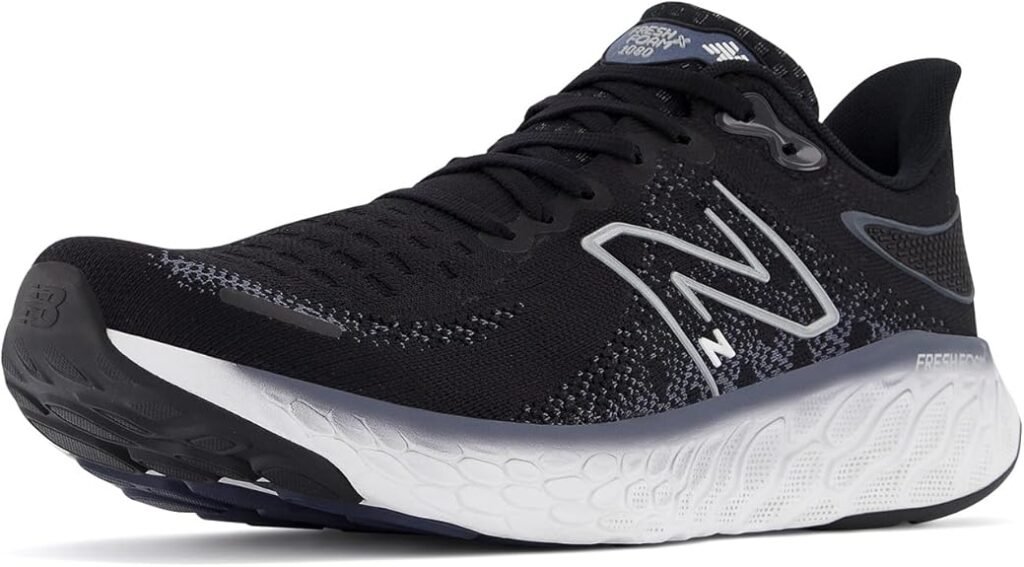
New Balance Men’s Fresh Foam X 1080 V12 Running Shoe, Black/Thunder/White, 10
- Unique Features: The Fresh Foam 1080v12 features a Fresh Foam midsole that offers both softness and responsiveness, while the Hypoknit upper provides a snug, sock-like fit.
- Best For: Runners who want a plush, responsive ride with a custom fit.
- Pros:
- Soft yet responsive cushioning.
- Hypoknit upper provides a great fit and comfort.
- Durable for long runs.
- Cons:
- Slightly heavier than other options.
- Some runners find it lacks support for overpronators.
Shoe #7: Adidas Ultraboost 22
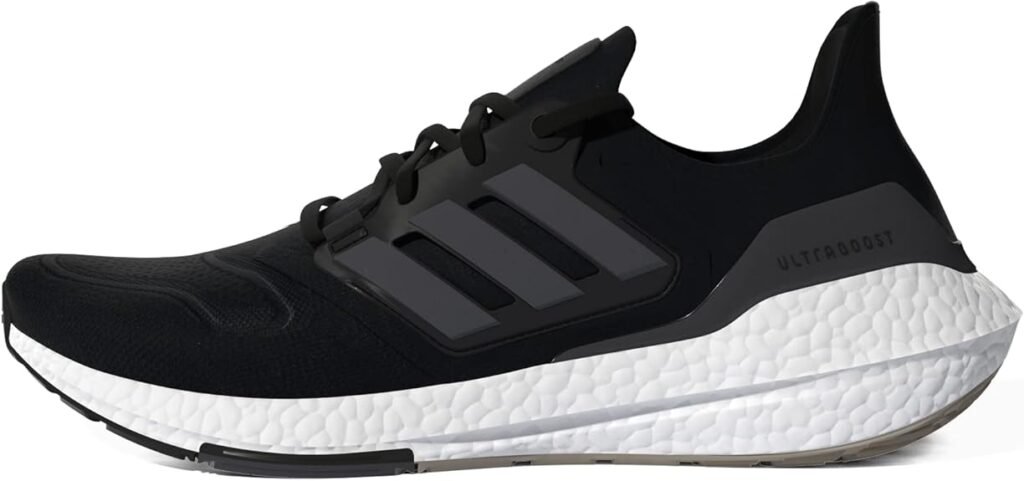
Adidas Mens Ultraboost 22 Running
- Unique Features: With a Boost midsole, the Adidas Ultraboost 22 offers fantastic energy return with every step, giving you a plush, bouncy feel that’s hard to beat.
- Best For: Casual runners who want maximum comfort and a smooth, cushioned ride.
- Pros:
- Super comfortable and cushioned.
- Energy-returning Boost midsole.
- Stylish design for everyday use.
- Cons:
- On the heavier side.
- May not be as responsive for fast runs.
Shoe #8: On Cloudflow
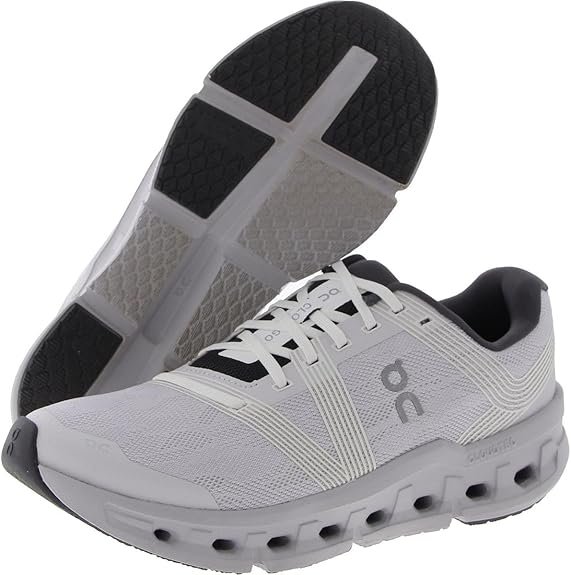
ON Women’s Running Shoes
- Unique Features: The On Cloudflow features Helion superfoam and CloudTec cushioning, providing a lightweight and responsive feel while still delivering a smooth ride.
- Best For: Performance-driven runners who need a lightweight, responsive shoe for speed and long-distance runs.
- Pros:
- Lightweight and fast.
- Great cushioning with CloudTec technology.
- Responsive feel for speedwork.
- Cons:
- Slightly stiff feel at first.
- May not provide as much cushioning for long-distance runners.
Shoe #9: Mizuno Wave Rider 27
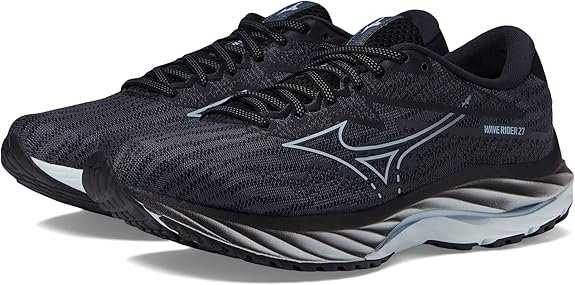
Mizuno Womens Wave Rider 27
- Unique Features: The Mizuno Wave Rider 27 is known for its Wave Plate technology, which offers excellent stability and a smooth ride without sacrificing comfort.
- Best For: Runners who want a balanced shoe with stability and cushioning, especially for long distances.
- Pros:
- Great for stability and support.
- Durable and comfortable for long runs.
- Smooth, responsive ride.
- Cons:
- Slightly heavier compared to minimalist options.
- May feel too firm for runners who prefer maximum cushioning.
Shoe #10: Under Armour HOVR Machina 3
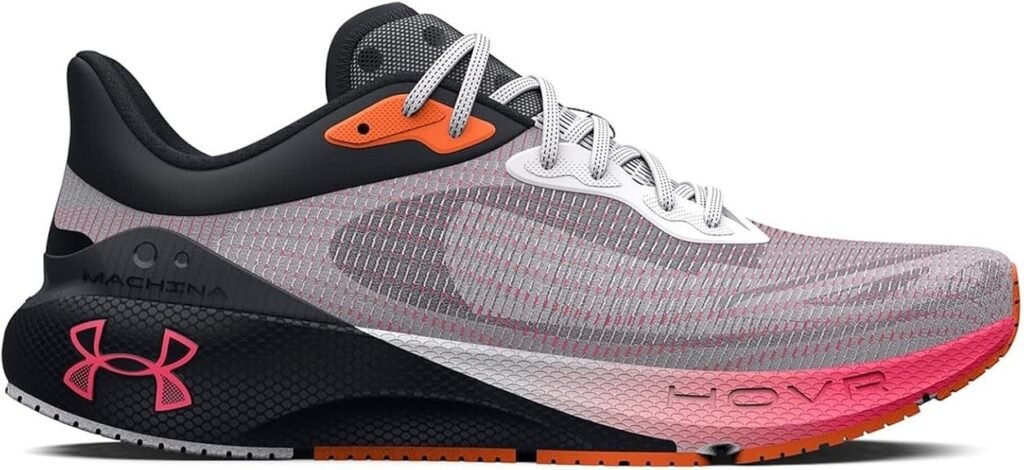
Under Armour HOVR Machina 3 Breeze Running Shoe – SS23
- Unique Features: With HOVR cushioning and Bluetooth app connectivity, the HOVR Machina 3 offers a tech-savvy approach to tracking your performance with real-time data and a responsive feel.
- Best For: Runners who want to track their performance and prefer a responsive shoe with good cushioning.
- Pros:
- HOVR cushioning offers a good balance of comfort and responsiveness.
- Bluetooth integration for real-time performance tracking.
- Great for runners who like to analyze their stats.
- Cons:
- A bit heavier than some other shoes.
- Bluetooth connectivity may not appeal to all runners.
How to Find Your Perfect Running Shoes
Finding the perfect pair of running shoes can feel a bit overwhelming with so many options available, but don’t worry—there are ways to make the process easier and ensure you end up with shoes that suit you perfectly. Here’s how you can make sure you pick the right ones.
A. Trying Before You Buy
The best way to know if a running shoe is right for you is to try it on before you buy. If you can, visit a store where you can physically try on different pairs, walk around, or even jog a few steps inside. This helps you get a feel for the fit, comfort, and support before you make a commitment. If in-store shopping isn’t an option, try ordering from brands that have a flexible return policy. Many online retailers like Amazon offer free returns, which means you can test out shoes at home and send them back if they’re not quite right. It’s worth doing this to make sure you’re completely comfortable before taking them for a run.
B. Seeking Professional Advice
If you’re still unsure about which shoe is right for you, seeking professional advice can help a lot. Many specialty running stores offer gait analysis, which is when they observe your running form to identify how your feet move. This analysis can help determine whether you overpronate, underpronate, or have a neutral stride, which in turn helps you select the right shoe for your running style. You can also ask the staff at these stores for recommendations based on your personal needs, like cushioning or stability.
C. Considering Online Reviews and Testing
Online reviews are a great way to validate your choices. When you’re narrowing down your options, check out reviews from trusted sources, like professional running websites or even fellow runners on forums. Pay attention to what people are saying about comfort, durability, and overall fit. Reviews can give you a real-world sense of how a shoe performs, especially if you’re looking at a brand or model you’re not familiar with. Just remember that everyone’s feet are different, so what works for one person might not work for you, but it’s still helpful to get feedback.
D. How Often Should You Replace Your Running Shoes?
Even the best pair of shoes eventually needs to be replaced. On average, running shoes last anywhere from 300 to 500 miles, but this can vary depending on the shoe’s cushioning, the surface you run on, and your running style. Signs that it’s time to replace your shoes include worn-down tread, decreased cushioning, or if you start feeling discomfort or pain after runs. If your shoes have lost their bounce and feel flat or stiff, it’s probably time to look for a new pair.
Final Thoughts
To wrap things up, choosing the right running shoes is one of the most important decisions you can make for your running journey. It’s not just about picking a pair that looks good or fits your budget—it’s about making sure you get the support, cushioning, and comfort that align with your foot type, running style, and the terrain you’ll be hitting. Don’t forget to consider key factors like your foot type, cushioning preferences, and the kind of runs you’ll be doing. Whether you’re a seasoned runner or just starting out, the right shoes can make all the difference in performance and injury prevention.
Investing time and effort into finding the perfect pair of running shoes is totally worth it. Your feet will thank you, and you’ll be able to run longer, faster, and with less discomfort. Don’t rush the process—take the time to try on different shoes, consult experts, and read reviews to make an informed choice. Everyone’s feet are unique, so finding the right fit for your running style may take a little trial and error, but once you find that perfect pair, you’ll notice the difference in every step.
So, lace up, get out there, and enjoy the run—your feet (and body) will thank you!