
How to Switch to Eco-Friendly Cleaning Without Getting Overwhelmed
4/11/20265 min read

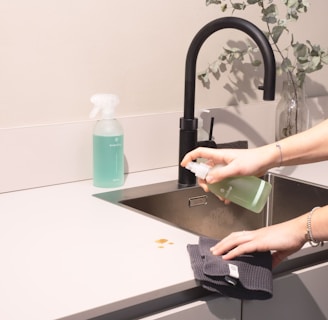
If you have been thinking about switching to eco-friendly cleaning but feel overwhelmed by all the advice online, you are not alone.
Some guides make it sound like you need to throw out everything in your home, buy a dozen new “green” products, and start making DIY cleaners from scratch overnight. That is exactly why many people give up before they begin.
The good news is that eco-friendly cleaning does not have to be expensive, complicated, or all-or-nothing. The easiest way to make the switch is to do it gradually, using simple swaps that fit your home, your budget, and your routine.
In this beginner-friendly guide, you will learn how to start eco-friendly cleaning step by step without getting stressed, wasting money, or turning your cleaning routine into another full-time job.
What eco-friendly cleaning actually means
Eco-friendly cleaning means choosing cleaning habits and products that are safer for your home and have a lower environmental impact.
That usually includes:
using fewer harsh chemicals
reducing unnecessary plastic waste
avoiding products with vague or misleading “green” claims
choosing reusable tools when possible
using only the products you actually need
A lot of beginners assume eco-friendly cleaning means “DIY everything,” but that is not true. A practical green cleaning routine can include store-bought products, especially when they are clearly labeled and independently certified. The EPA’s Safer Choice program exists to help consumers identify products made with safer ingredients, and the EPA also uses the DfE label for certain disinfectants and sanitizers.
Why people feel overwhelmed when switching
Most people get stuck for one of these reasons:
1. They think they need to replace everything at once
You do not need a zero-waste cleaning closet on day one. In fact, using up what you already have first is usually the most realistic and less wasteful approach.
2. They see conflicting advice online
One person says vinegar cleans everything. Another says baking soda is enough. Another says you need ten plant-based sprays for ten different rooms. It is confusing because eco-friendly cleaning is often oversimplified online.
3. They are afraid eco-friendly products will not work
That concern is valid. Some products work better than others, and some natural ingredients are useful for certain tasks but not for every mess. The goal is not to believe every “natural cleaning hack.” The goal is to build a routine that is simple and effective.
The easiest way to start: switch in phases
The best eco-friendly cleaning routine is the one you can actually maintain. Instead of changing everything at once, switch in phases.
Phase 1: Simplify before you buy anything
Before buying new products, look at what you already use.
Ask yourself:
Which products do I use every week?
Which ones are duplicates?
Which ones do I only use because marketing told me I needed them?
Which products have very strong fragrance or feel harsh to use?
Many homes do not need a separate cleaner for every surface. In most situations, regular cleaning with soap or detergent removes dirt and most germs from household surfaces. That means a simpler routine is often enough for everyday cleaning.
Start with this simple rule:
Keep your routine focused on all-purpose cleaning, dishwashing, bathroom cleaning, and laundry first. Those categories usually make the biggest difference.
Phase 2: Replace one product at a time
Do not buy a full “green cleaning haul.” Replace products as they run out.
Start with one of these:
all-purpose cleaner
dish soap
laundry detergent
glass cleaner
bathroom cleaner
This keeps your budget under control and helps you test what actually works in your home.
A practical beginner tip
Choose one eco-friendly all-purpose cleaner first. If it works well for your counters, tables, and everyday wipe-downs, you instantly reduce the number of specialty products you need.
Phase 3: Choose better products, not just greener marketing
One of the biggest mistakes beginners make is trusting labels like:
natural
green
eco-safe
non-toxic
earth-friendly
Those terms can sound reassuring, but they do not always tell you much by themselves. It is smarter to look for independent certifications and clear ingredient transparency. EPA guidance specifically points consumers toward labels like Safer Choice, and third-party eco-label guidance also warns people to be cautious with vague claims.
What to look for instead
transparent ingredient lists
clear use instructions
concentrated refills if available
reusable packaging systems when practical
recognized certifications such as Safer Choice or DfE where relevant
Phase 4: Swap your tools too
Eco-friendly cleaning is not only about liquids and sprays.
You can also reduce waste with reusable tools like:
washable microfiber cloths
reusable spray bottles
refill systems
durable scrub brushes
reusable mop pads
These swaps are often easier than changing every cleaning formula in your home.
A simple beginner eco-friendly cleaning routine
If you want a low-stress starting point, use this routine:
Daily
wipe kitchen counters
wash dishes or load dishwasher
spot clean bathroom sink if needed
Weekly
clean bathroom surfaces
vacuum or sweep floors
mop high-traffic areas
dust surfaces with a reusable cloth
As needed
clean mirrors
spot clean spills
deep clean appliances
disinfect only when necessary, such as when someone is sick or has recently been sick in the home
This approach helps you stay consistent without turning green cleaning into a perfection challenge.
What you do not need to do
Let’s make this easier right now.
You do not need to:
make every cleaner from scratch
buy premium products in every category
use essential oils in everything
deep clean your entire house every weekend
panic if your routine is not perfectly zero-waste
Eco-friendly cleaning should lower stress, not add more of it.
Common beginner mistakes to avoid
1. Buying too many products
More products do not always mean a cleaner home. Often, they just mean more clutter under the sink.
2. Mixing ingredients because social media said so
Some popular DIY combinations are either ineffective or unsafe. For example, vinegar and baking soda neutralize one another rather than creating a miracle cleaner, and mixing bleach with vinegar or ammonia can be dangerous.
3. Expecting one product to do everything
Different messes need different solutions. Grease, soap scum, odors, and disinfecting needs are not exactly the same problem.
4. Replacing products before finishing what you already own
A more sustainable transition is usually slower and more intentional.
Eco-friendly cleaning on a budget
You do not need a large budget to start.
The most budget-friendly strategy is:
use up what you already own
replace one item at a time
focus on high-use products first
buy reusable tools that last
avoid buying trendy “must-have” products you will not use regularly
This is one of the most realistic ways to switch to sustainable cleaning without getting overwhelmed.
The best mindset for making the switch
Do not think of eco-friendly cleaning as a complete lifestyle makeover.
Think of it as a series of small upgrades:
one better product
one reusable tool
one less unnecessary purchase
one simpler routine
That is how habits actually stick.
Final thoughts
If you want to switch to eco-friendly cleaning without getting overwhelmed, start small and keep it simple. You do not need a perfect routine.
You need a routine that works.
Begin with one or two easy swaps, focus on the products you use most often, and ignore the pressure to do everything at once. A calmer, cleaner, lower-waste home is built step by step.
FAQ Questions
Is eco-friendly cleaning really worth it?
Yes, especially if your goal is to simplify your routine, reduce unnecessary exposure to harsher products, and cut down on waste over time.
Do I need to throw away all my old cleaning products?
No. A more practical approach is to use up what you already have and replace items gradually.
What is the best first eco-friendly cleaning swap?
For most beginners, an all-purpose cleaner and reusable microfiber cloths are the easiest place to start.
Are eco-friendly cleaning products more expensive?
Some are, but not always. Refill systems, concentrates, and buying fewer total products can help lower costs over time.
If you're getting into an Eco-Friendly, these articles can help you out:
HarmonyHomeLab
Helping families create cleaner, healthier homes with simple eco-friendly cleaning tips, honest reviews, and practical guides.
Contact by email
Join the HarmonyHomeLab newsletter
hello@harmonyhomelab.com
© 2026 All rights reserved.
Affiliate Disclosure: Some links on this website may be affiliate links, which means we may earn a commission at no extra cost to you.