
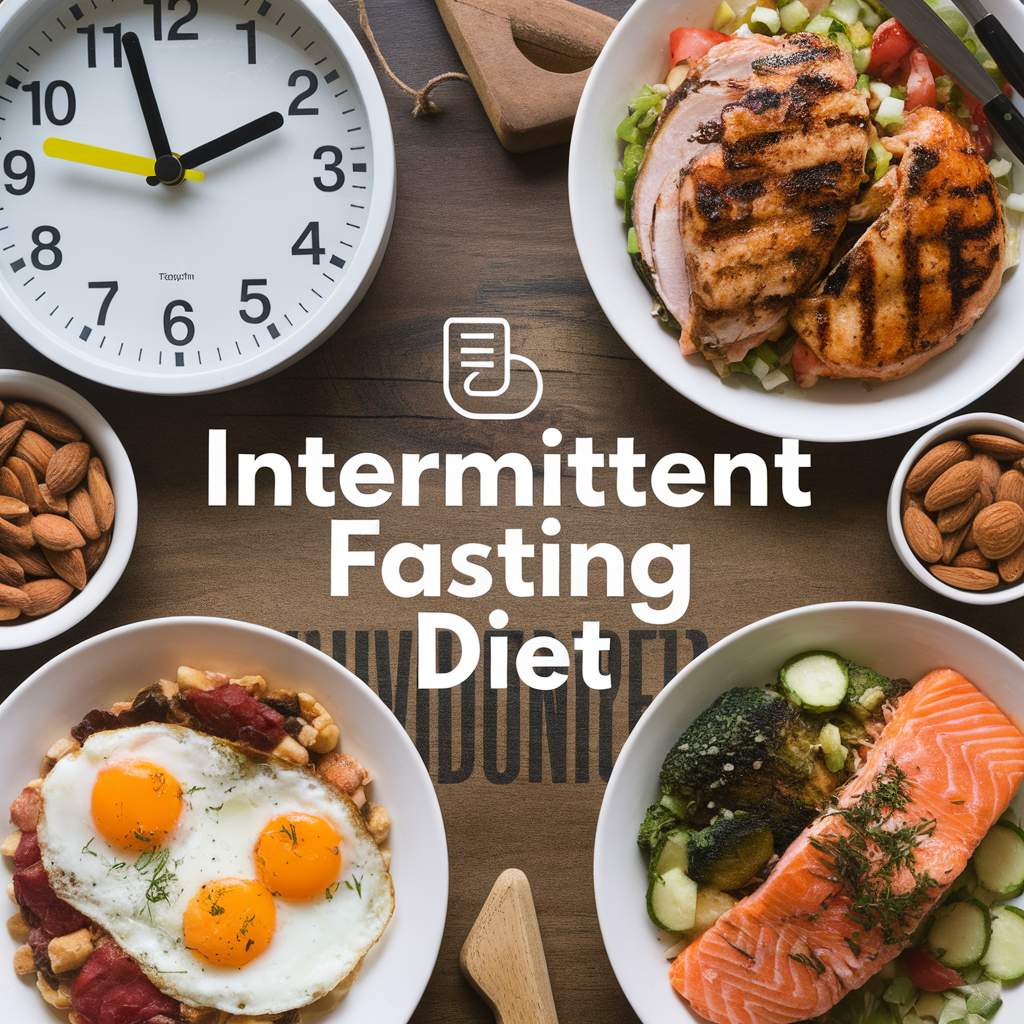
Intermittent fasting (IF) is an eating pattern that alternates between periods of eating and fasting. Unlike traditional diets that focus on what to eat, IF emphasizes when to eat. This approach has gained popularity for its potential health benefits and flexibility.
In recent years, IF has garnered significant attention in the health and wellness community. Studies suggest that IF may aid in weight loss, improve blood sugar control, and enhance metabolic health. Its simplicity and adaptability make it an appealing option for many individuals seeking to improve their dietary habits.
This article aims to provide a comprehensive overview of intermittent fasting, explaining its mechanisms and offering guidance on dietary choices during eating periods.
What is Intermittent Fasting?
Intermittent fasting (IF) is an eating pattern that alternates between periods of eating and fasting. Unlike traditional diets that focus on what to eat, IF emphasizes when to eat. This approach has gained popularity for its potential health benefits and flexibility.
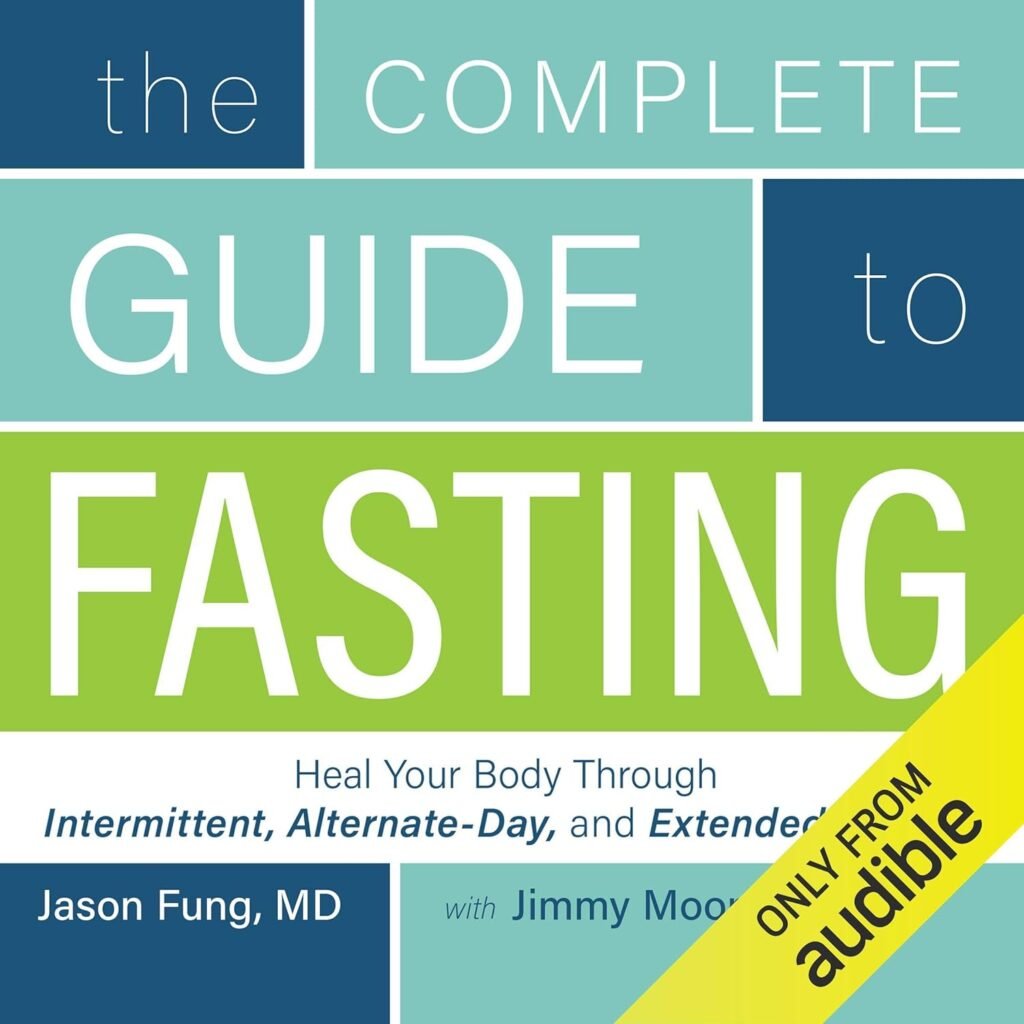
The Complete Guide to Fasting: Heal Your Body Through Intermittent, Alternate-Day, and Extended Fasting
Common Methods of Intermittent Fasting
16/8 Method
Also known as the Lean gains protocol, this method involves fasting for 16 hours daily and restricting eating to an 8-hour window. For example, one might eat between 12 p.m. and 8 p.m., then fast from 8 p.m. to 12 p.m. the next day.
5:2 Diet
In this approach, individuals consume a normal diet five days a week and restrict calorie intake to 500–600 calories on two non-consecutive days.
Alternate-Day Fasting
This pattern alternates between days of normal eating and days where food intake is significantly reduced or eliminated.
Eat-Stop-Eat
This involves fasting for a full 24 hours once or twice a week.
12-Hour Fasting
A simpler approach where one fasts for 12 hours daily, such as from 7 p.m. to 7 a.m.
Now that we know the types of intermittent fasting that exist, let’s see how the Intermittent Fasting works.
How Does Intermittent Fasting Work?
Intermittent fasting (IF) operates by altering the body’s energy utilization patterns, leading to various metabolic changes that can impact health and weight management.
A. Metabolic Process During Fasting
During periods without food intake, the body exhausts its immediate energy source from recent meals and begins to utilize stored energy, primarily from fat reserves. This shift can promote fat burning and contribute to weight loss.
B. Impact on Insulin and Blood Sugar Levels
Fasting periods can lead to a decrease in insulin levels, enhancing insulin sensitivity and improving blood sugar control. Lower insulin levels facilitate the mobilization of stored fat, aiding in weight management.
C. Cellular Repair and Autophagy
Extended fasting periods may trigger autophagy, a cellular repair process where cells remove damaged components, potentially contributing to improved cellular function and resilience.
D. Hormonal Changes
Short-term fasting can increase levels of norepinephrine, a hormone that enhances fat breakdown, thereby slightly boosting metabolism. However, prolonged fasting may have the opposite effect, potentially slowing metabolism.

Life in the Fasting Lane: How to Make Intermittent Fasting a Lifestyle—and Reap the Benefits of Weight Loss and Better Health
Benefits of Intermittent Fasting
Intermittent fasting (IF) has garnered attention for its potential health benefits, supported by various studies and research.
A. Weight Loss and Fat Reduction
By limiting eating periods, IF can lead to a reduction in overall calorie intake, promoting weight loss. Additionally, fasting periods encourage the body to utilize stored fat for energy, aiding in fat reduction. A study published in the Annals of Internal Medicine found that participants practicing intermittent fasting lost more weight and fat compared to those following typical eating patterns.
B. Improved Blood Sugar Control
Intermittent fasting may enhance insulin sensitivity, leading to better blood sugar regulation. This improvement can be beneficial in reducing the risk of type 2 diabetes. Research indicates that IF can improve blood sugar levels and reduce insulin resistance.
C. Enhanced Heart Health
Engaging in intermittent fasting has been associated with improved heart health markers, such as lower blood pressure and cholesterol levels. These changes can contribute to a reduced risk of cardiovascular diseases. Studies have shown that IF may help lower blood pressure and cholesterol, promoting better heart health.
D. Potential Longevity and Disease Prevention
Some research suggests that intermittent fasting may activate cellular repair processes and reduce inflammation, potentially contributing to increased longevity and a decreased risk of chronic diseases. While more studies are needed, animal research has shown promising results regarding lifespan extension and disease prevention.
It’s important to note that while intermittent fasting offers various potential benefits, individual results may vary. Consulting with healthcare professionals before starting any new dietary regimen is recommended to ensure it aligns with personal health conditions and goals.
What to Eat During Intermittent Fasting
While intermittent fasting (IF) focuses on the timing of meals, the quality of food consumed during eating periods plays a crucial role in maximizing its benefits. Choosing nutrient-dense foods can enhance health outcomes and support overall well-being.
A. Nutrient-Dense Foods to Include
- Fruits and Vegetables: Rich in vitamins, minerals, and fiber, incorporating a variety of fruits and vegetables ensures adequate nutrient intake. Options include:
- Fruits: Apples, bananas, berries, oranges, peaches, pears, tomatoes.
- Vegetables: Broccoli, Brussels sprouts, cauliflower, cucumbers, leafy greens.
- Whole Grains: Providing sustained energy and fiber, whole grains are a valuable addition to meals. Examples are: Barley, buckwheat, quinoa, rice, oats.
- Lean Proteins: Essential for muscle maintenance and overall health, lean protein sources include: Poultry, fish, beans, lentils, tofu, nuts, seeds, low-fat cottage cheese, eggs.
- Healthy Fats: Incorporating sources of unsaturated fats supports heart health and satiety. Options are: Olive oil, avocados, nuts, seeds.

B. Hydration
Maintaining proper hydration is vital, especially during fasting periods. Calorie-free beverages help control appetite and keep the body hydrated. Recommended options include:
- Water.
- Unsweetened tea.
- Black coffee.

C. Tips for Meal Planning
- Balanced Meals: Aim for a combination of macronutrients—proteins, carbohydrates, and fats—to ensure a well-rounded diet.
- Portion Control: Even during eating windows, be mindful of portion sizes to prevent overconsumption.
- Meal Timing: Plan meals to align with your specific IF schedule, ensuring consistent energy levels throughout the day.

By focusing on nutrient-rich foods and proper hydration, individuals practicing intermittent fasting can support their health and maximize the potential benefits of this eating pattern.
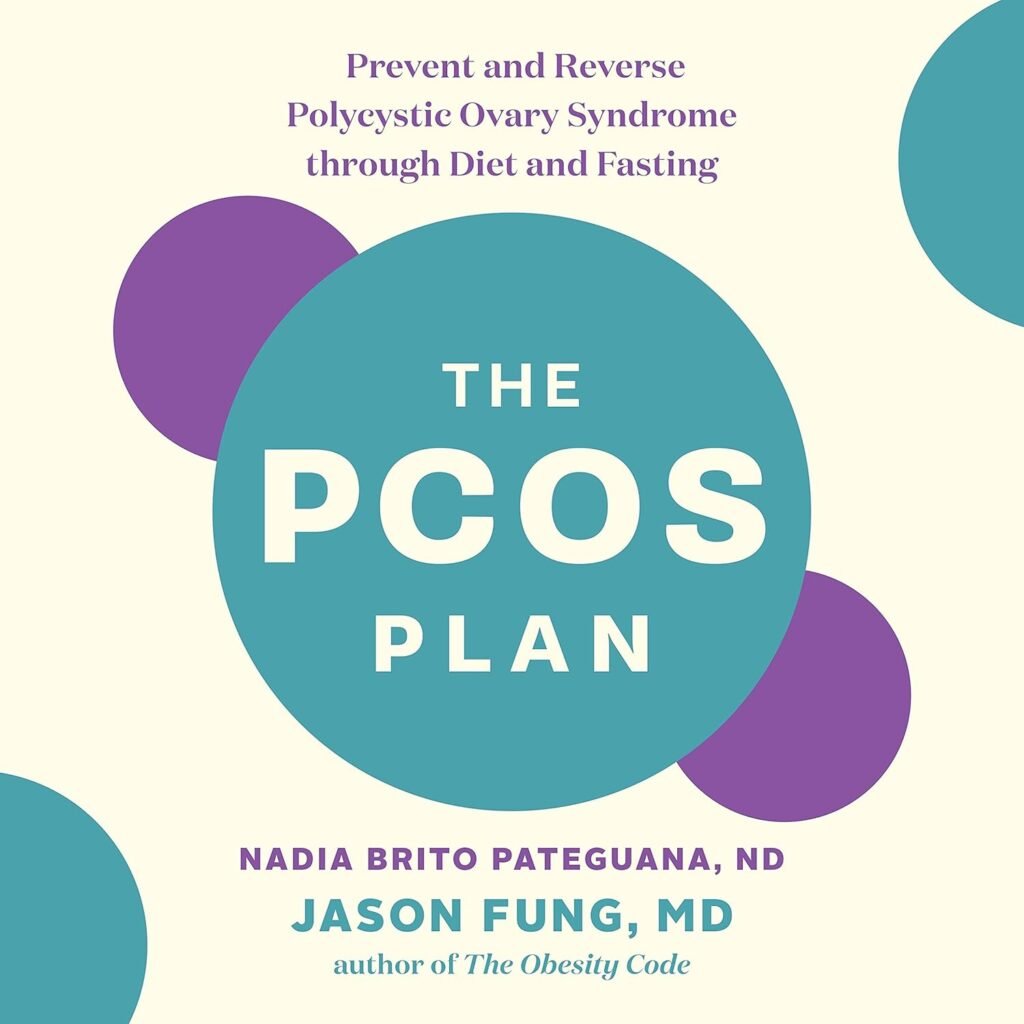
The PCOS Plan: Prevent and Reverse Polycystic Ovary Syndrome Through Diet and Fasting
Tips for Successful Intermittent Fasting
Embarking on an intermittent fasting (IF) journey can be both exciting and challenging. To help you navigate this path effectively, consider the following practical tips:
A. Start Slowly
Ease into intermittent fasting by gradually increasing fasting periods. This approach allows your body to adjust, reducing potential discomfort. For instance, begin with a 12-hour fasting window and extend it as you become more comfortable.
B. Stay Hydrated
Maintaining hydration is crucial during fasting periods. Drinking plenty of water and calorie-free beverages, such as herbal teas, can help control appetite and prevent dehydration.
C. Plan Your Meals
Strategically planning meals ensures nutrient-dense and satisfying food choices during eating windows. Incorporate a variety of fruits, vegetables, lean proteins, and whole grains to provide essential nutrients and maintain energy levels.
D. Listen to Your Body
Pay attention to your body’s signals. If you experience excessive hunger, fatigue, or discomfort, consider adjusting your fasting schedule or food intake. Intermittent fasting should be a sustainable and health-promoting practice, not a source of distress.
E. Stay Busy
Engaging in activities during fasting periods can distract from hunger and reduce the temptation to eat outside designated windows. Pursue hobbies, work tasks, or light physical activities to keep your mind occupied.
F. Avoid Strenuous Activities During Fasting
While light exercise can be beneficial, it’s advisable to avoid intense physical activities during fasting periods, especially when you’re new to IF. Strenuous workouts may lead to fatigue or dizziness when performed without adequate fuel.
G. Be Flexible and Patient
Finding the right intermittent fasting routine may require experimentation. Be open to adjusting your eating and fasting windows to suit your lifestyle and personal preferences. Patience and flexibility are key to developing a sustainable practice.
By incorporating these tips, you can enhance your intermittent fasting experience, making it a beneficial and manageable part of your health regimen.
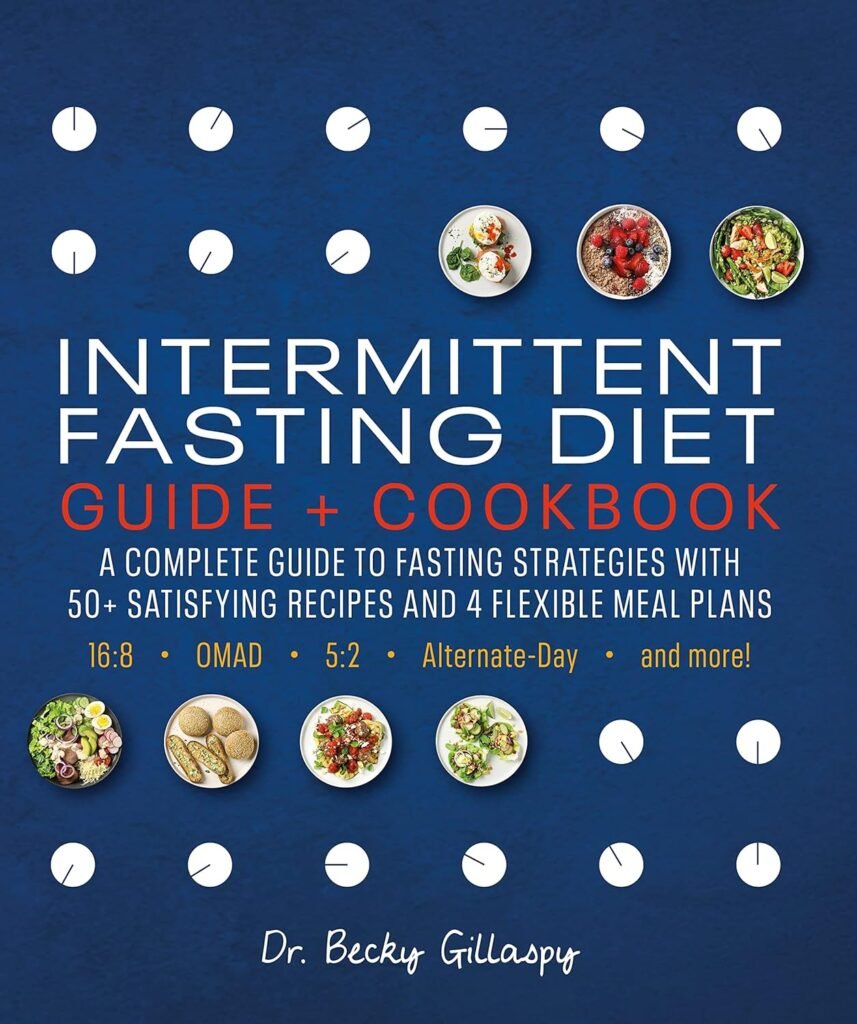
Intermittent Fasting Diet Guide and Cookbook: A Complete Guide to 16:8, OMAD, 5:2, Alternate-day, and More
Risks and Considerations of Intermittent Fasting
While intermittent fasting (IF) offers potential health benefits, it’s essential to be aware of possible risks and considerations to ensure it aligns with your individual health needs.
A. Potential Side Effects
Some individuals may experience side effects during intermittent fasting, including:
- Hunger and Cravings: Periods without food can lead to increased hunger and cravings, making it challenging to adhere to the fasting schedule.
- Headaches and Lightheadedness: Low blood sugar levels during fasting can cause headaches and feelings of dizziness.
- Digestive Issues: Changes in eating patterns may result in constipation or other digestive discomforts.
- Mood Changes: Some individuals report irritability or mood swings due to fluctuations in blood sugar levels.
- Fatigue and Low Energy: Initial stages of IF may lead to feelings of tiredness or decreased energy levels.
These side effects are often temporary and may diminish as the body adapts to the new eating pattern.
B. Health Risks
Recent studies have highlighted potential health risks associated with certain intermittent fasting practices:
- Cardiovascular Concerns: An analysis of over 20,000 U.S. adults found that individuals who limited their eating to less than 8 hours per day had a 91% higher risk of death from cardiovascular disease compared to those who ate across 12-16 hours per day.
- Muscle Loss: Extended fasting periods may lead to muscle loss, especially if protein intake is insufficient. Maintaining adequate protein consumption is crucial to preserve muscle mass.
C. Not Suitable for Everyone
Intermittent fasting may not be appropriate for certain individuals, including:
- Children and Adolescents: Those still growing may require consistent nutrient intake and should avoid restrictive eating patterns.
- Pregnant or Breastfeeding Women: Nutrient needs are higher during pregnancy and breastfeeding, making fasting potentially harmful.
- Individuals with Medical Conditions: People with diabetes, heart disease, kidney or liver disease, or a history of eating disorders should consult healthcare professionals before starting IF.
D. Importance of Professional Guidance
Before initiating intermittent fasting, it’s advisable to consult with a healthcare provider or a registered dietitian. They can offer personalized advice based on your health status and help monitor any adverse effects.
By understanding these risks and considerations, you can make an informed decision about whether intermittent fasting is suitable for you and how to implement it safely.
Recap of Intermittent Fasting Benefits
Intermittent fasting (IF) has garnered attention for its potential health benefits, including:
- Weight Management: By reducing calorie intake and promoting fat burning, IF can aid in weight loss. verywellhealth.com
- Improved Blood Sugar Control: Studies suggest that IF may enhance insulin sensitivity, leading to better blood sugar regulation. verywellhealth.com
- Reduced Inflammation: IF has been associated with decreased levels of chronic inflammation, potentially lowering the risk of various diseases. verywellhealth.com
- Enhanced Heart Health: Some research indicates that IF may contribute to improved cholesterol levels and reduced blood pressure, benefiting cardiovascular health. verywellhealth.com
Encouragement for Informed Decision-Making
While IF offers promising benefits, it’s crucial to approach it thoughtfully:
- Consult Healthcare Professionals: Before starting IF, especially if you have underlying health conditions, seek advice from a healthcare provider to ensure it’s appropriate for you.
- Personalize Your Approach: Consider your lifestyle, preferences, and health status when choosing an IF regimen.
- Monitor Your Health: Pay attention to how your body responds to IF and make adjustments as needed.
Final Thoughts
Intermittent fasting can be a beneficial dietary approach for many, but it should be tailored to individual needs and lifestyles. By staying informed and consulting with healthcare professionals, you can make an educated decision about incorporating IF into your routine.
Note: Before starting any new diet or fasting regimen, it’s important to consult with a healthcare professional to ensure it’s appropriate for your individual health needs.
References:
- https://www.mayoclinic.org/healthy-lifestyle/nutrition-and-healthy-eating/expert-answers/intermittent-fasting/faq-20441303
- https://www.hopkinsmedicine.org/health/wellness-and-prevention/intermittent-fasting-what-is-it-and-how-does-it-work?
- https://www.healthline.com/nutrition/intermittent-fasting-guide
- Intermittent fasting: Benefits, how it works, and is it right for you?
- https://health.clevelandclinic.org/intermittent-fasting-4-different-types-explained?
- https://www.webmd.com/diet/intermittent-fasting?
- https://www.popsugar.com/nutrition/what-intermittent-fasting-43275575
- https://time.com/7199885/is-intermittent-fasting-good-for-you/?
- https://www.businessinsider.com/intermittent-fasting-burn-fat-control-blood-sugar-study-2024-9?
- https://en.wikipedia.org/wiki/Intermittent_fasting?
- https://www.youtube.com/watch?v=-hSERcBUsGY