
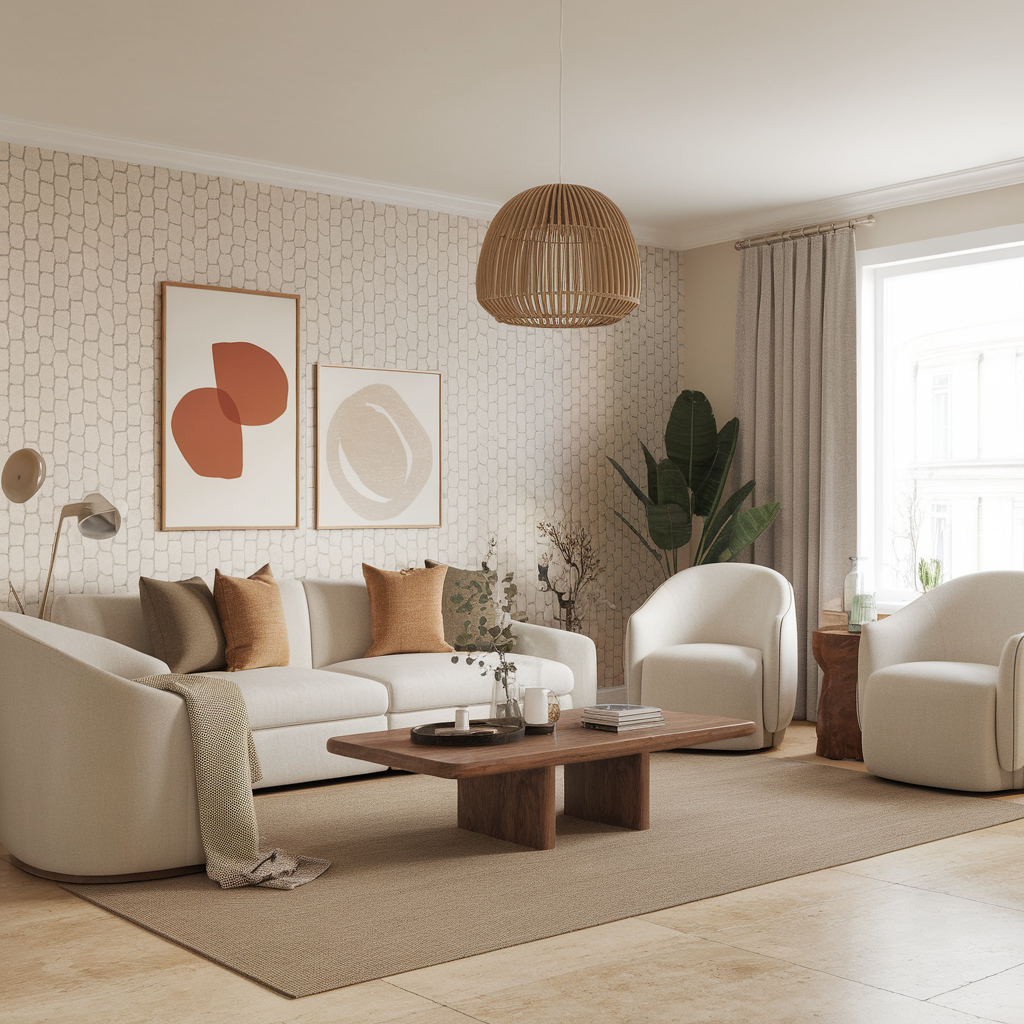
Modern Advancements in Wallpaper
Did you know that the world of wallpaper has changed a lot over the years? Before, wallpaper was made from paper or fabric, which made installing it a challenge, with a lot of preparation and precise techniques. But now, thanks to technological advances, we have new materials and methods that have made wallpaper more attractive and functional in modern homes.
One of the most notable innovations is peel and stick wallpaper. Have you tried it? It’s a super practical alternative to traditional wallpaper. With its self-adhesive backing, you can apply it directly to the wall without the need for glue or paste, and without measuring everything to the millimetre! Plus, it’s removable, perfect for renters or those who enjoy changing their decor without complicating their life.
Materials have evolved too. You can now choose between vinyl and non-woven fabrics, which are durable and easy to maintain. Many of these modern Franklin Plaid Grey Peel & Stick Wallpaper are washable and withstand daily wear and tear, staying beautiful for longer. And thanks to digital printing, the possibilities for designs, textures and colours are endless. So you can express your unique style effortlessly!
Incorporating these advances into your home décor not only improves the aesthetics, but also makes the process more fun and simple. If you’re looking for flexibility and ease in your projects, today’s Franklin Plaid Grey Peel & Stick Wallpaperoffers innovative solutions that adapt to your needs. It’s definitely a key element in modern interior design!
Types of Wallpaper Materials
Have you ever wondered about the different types of wallpaper available? Today, innovations in wallpaper offer a variety of materials to suit various aesthetic and practical needs.
Vinyl Wallpaper: This is known for its durability and easy maintenance. It is water-resistant, making it ideal for areas with high humidity, such as kitchens and bathrooms. Plus, it is available in a wide range of designs and textures, and can withstand scrubbing, staying pristine over time.
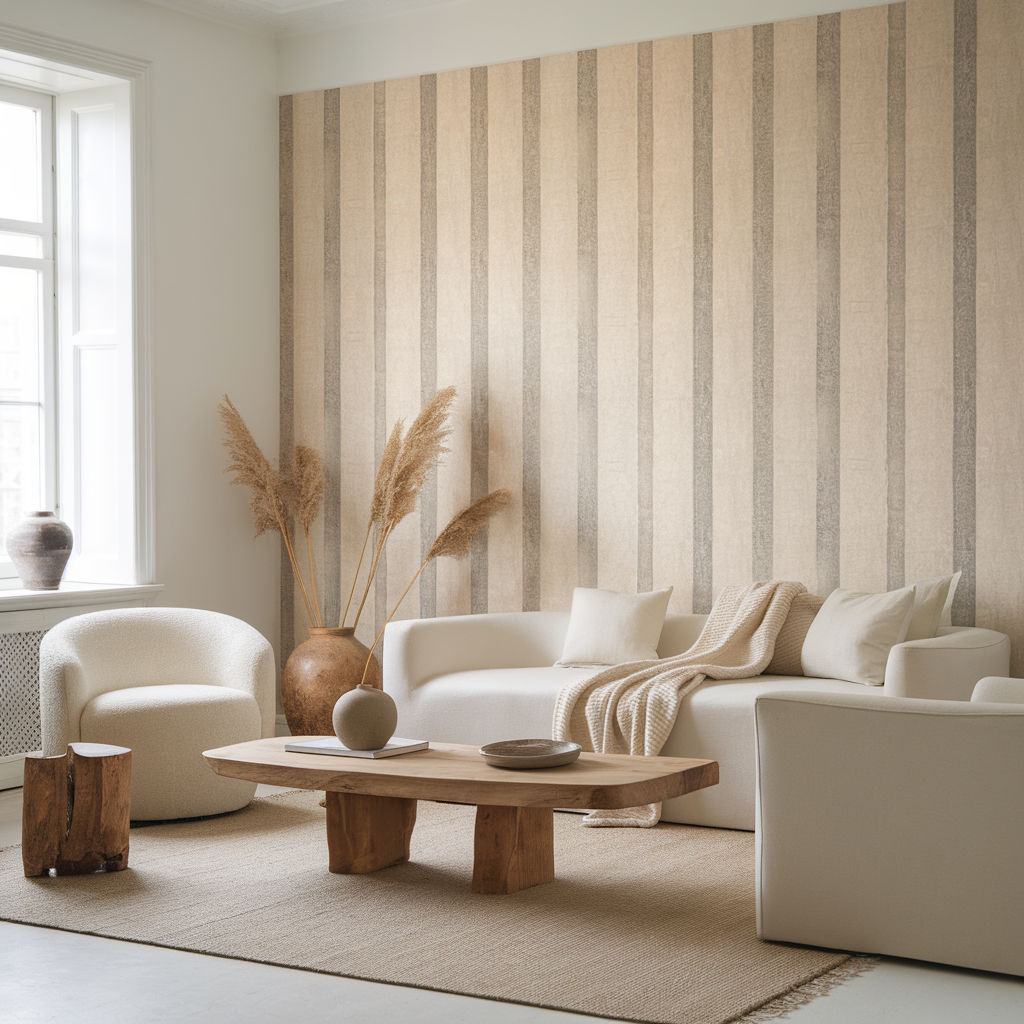
Non-Woven Wallpaper: This material has gained popularity in recent years. Made up of a blend of natural and synthetic fibers, it is breathable, allowing moisture to escape and preventing the buildup of mold and mildew. It is easy to apply and remove, making it perfect for those who redecorate frequently. Plus, it offers a wide selection of patterns and colors to personalize any space.
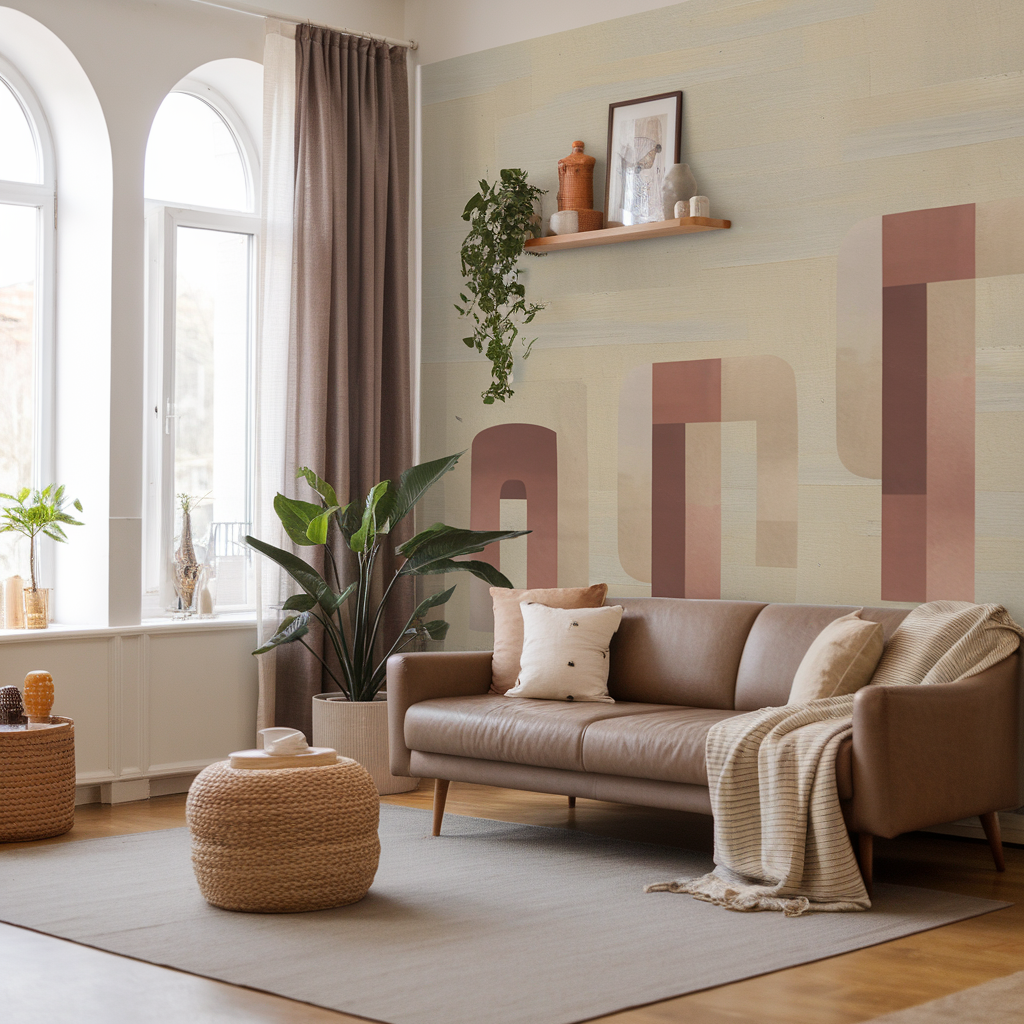
Fabric Wallpaper: If you are looking for a luxurious look, this is the one to go for. Made from textiles such as silk, linen, or cotton, it adds warmth and texture to rooms. However, it requires more careful application and maintenance to preserve its elegance. Despite this, its visual appeal makes it a valuable option for dining rooms or formal settings.
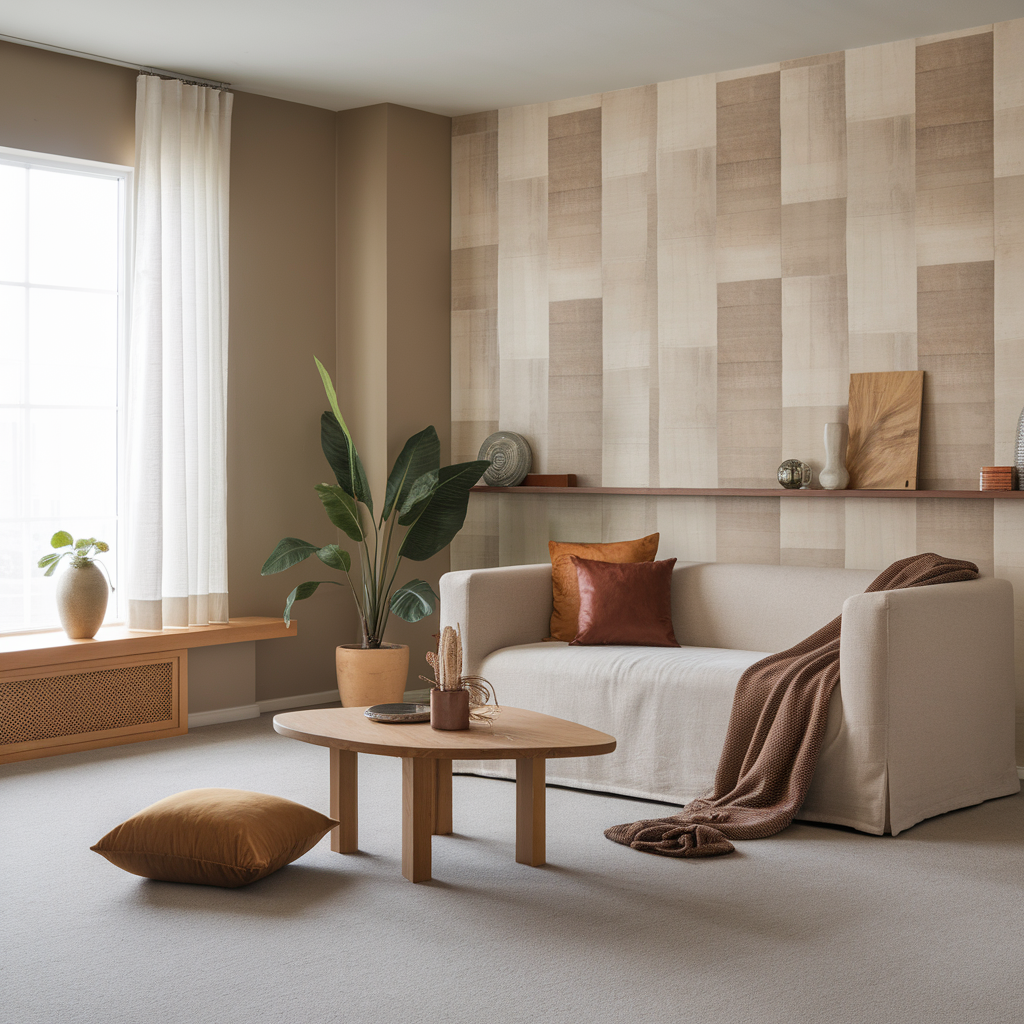
Textured wallpaper: This brings a unique dimension to interiors through raised patterns or 3D effects. It is ideal for feature walls or as an accent in less frequented spaces, creating an eye-catching focal point without overwhelming the overall design of the room.
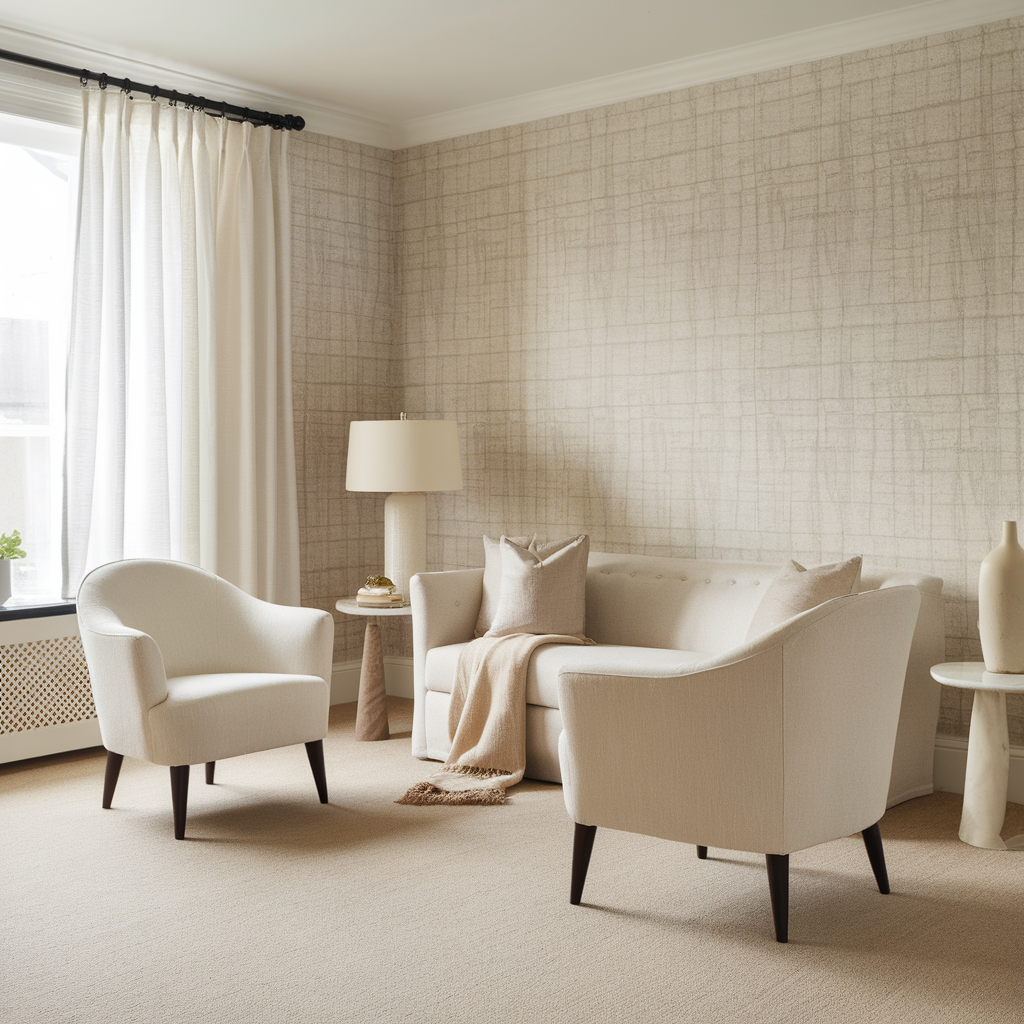
Peel and stick wallpaper: This option is revolutionizing decor by offering a convenient, temporary solution. With adhesive backing, it can be easily repositioned or removed, making it perfect for renters or those who enjoy changing their decor frequently.
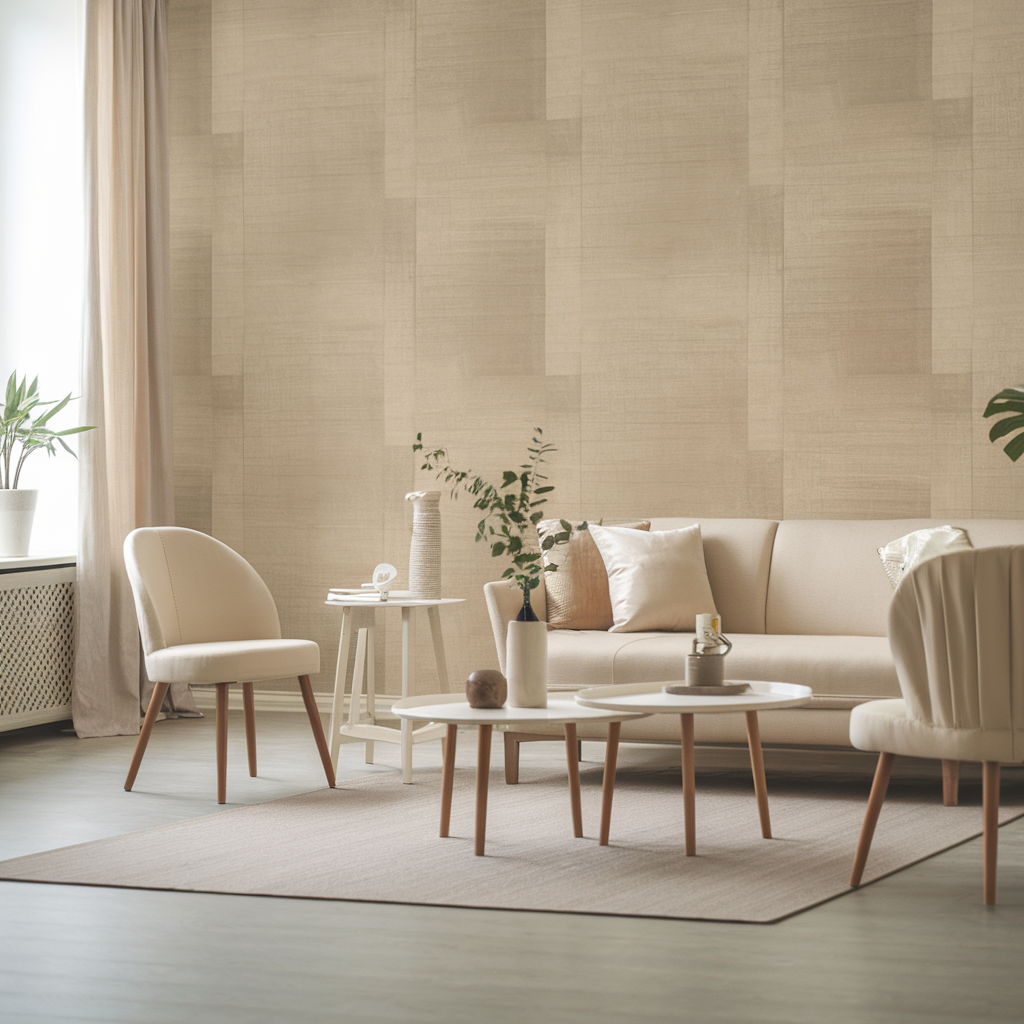
With the diversity of materials available, you can find the wallpaper that best suits your style and functional needs. Go ahead and explore these options and transform your spaces!
Choosing the Right Wallpaper for Every Room
Choosing the right wallpaper for each room can seem like quite a challenge, right? But don’t worry, here are some tips to make this task easier and make every space in your home look spectacular.
Consider the humidity of the room.
In areas such as the kitchen and bathroom, where humidity is common, it is essential to select a wallpaper that can withstand these conditions. Vinyl wallpapers are ideal for these spaces, as they are designed to withstand humidity and are easy to clean, maintaining their impeccable appearance even in humid environments.
Evaluate durability according to the use of the space
For high-traffic areas, such as hallways, living rooms or children’s rooms, it is essential to opt for a durable wallpaper. Washable materials that are resistant to daily wear and tear will ensure that your walls will remain in perfect condition for longer. In addition, textured wallpapers can be an excellent option to hide small imperfections on the walls.
Define the atmosphere you want to create.
Wallpaper color, pattern, and texture significantly influence the atmosphere of a room. Light colors and subtle patterns can bring a sense of spaciousness and serenity, while bolder designs will add character and energy to the space. It’s important to balance your personal preferences with the mood you want to achieve in each room.
Properly prepare walls before wallpapering
Before hanging wallpaper, make sure the walls are clean, dry, and smooth. Remove any previous coverings and repair any imperfections to ensure optimal adhesion and a professional finish.
Plan the amount of wallpaper needed
To avoid mishaps, carefully measure the walls and calculate the amount of wallpaper you will need. It is advisable to purchase 10-15% more material than estimated, to cover possible errors or future repairs.
By taking these aspects into account, you will be able to select the perfect wallpaper for each room, enhancing both the aesthetics and functionality of your home. Get to work and transform those spaces!
Current Wallpaper Trends
As we move into 2025, interior design is being renewed with fresh and exciting proposals. Here are some of the most outstanding ones:
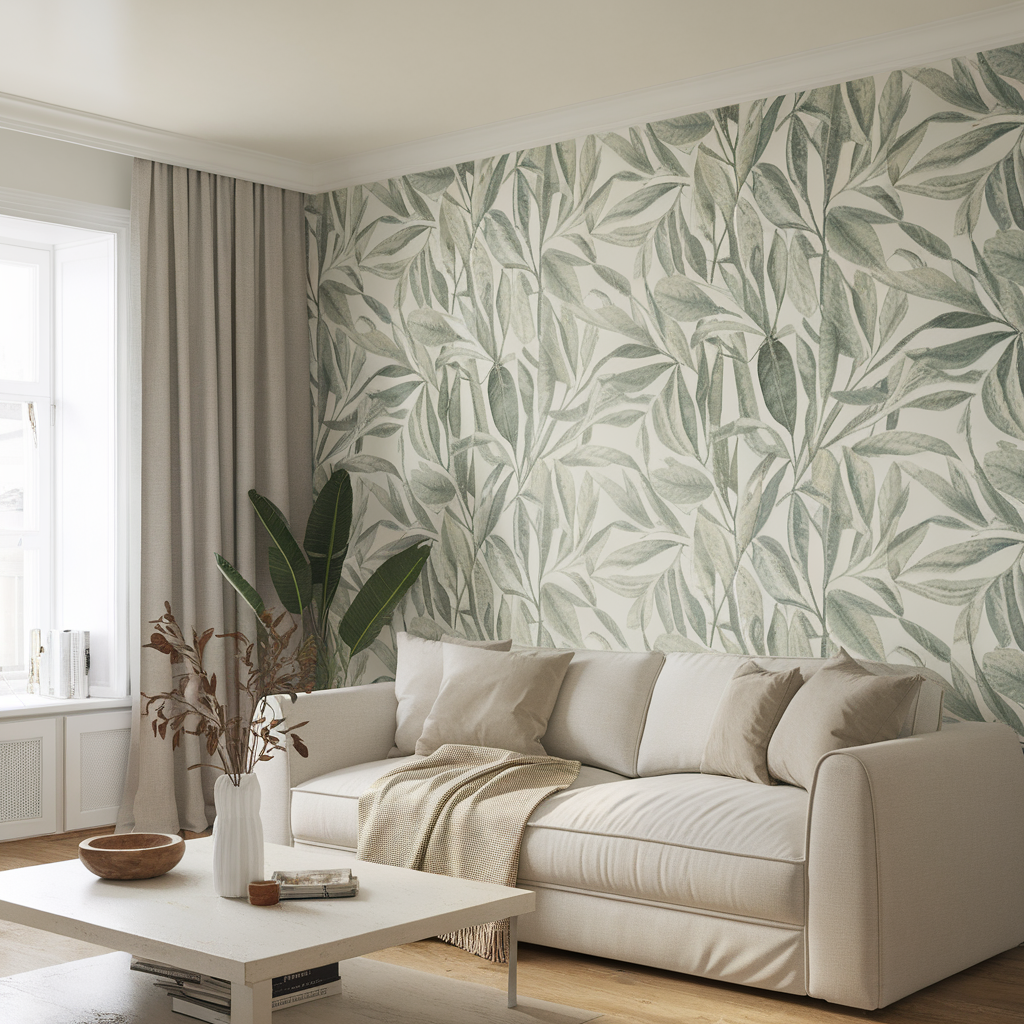
The connection with the natural environment has become essential in our spaces. Botanical designs and floral motifs bring warmth and a charming European touch to any room. From panoramic murals to small decorative details, these options offer versatility and style.
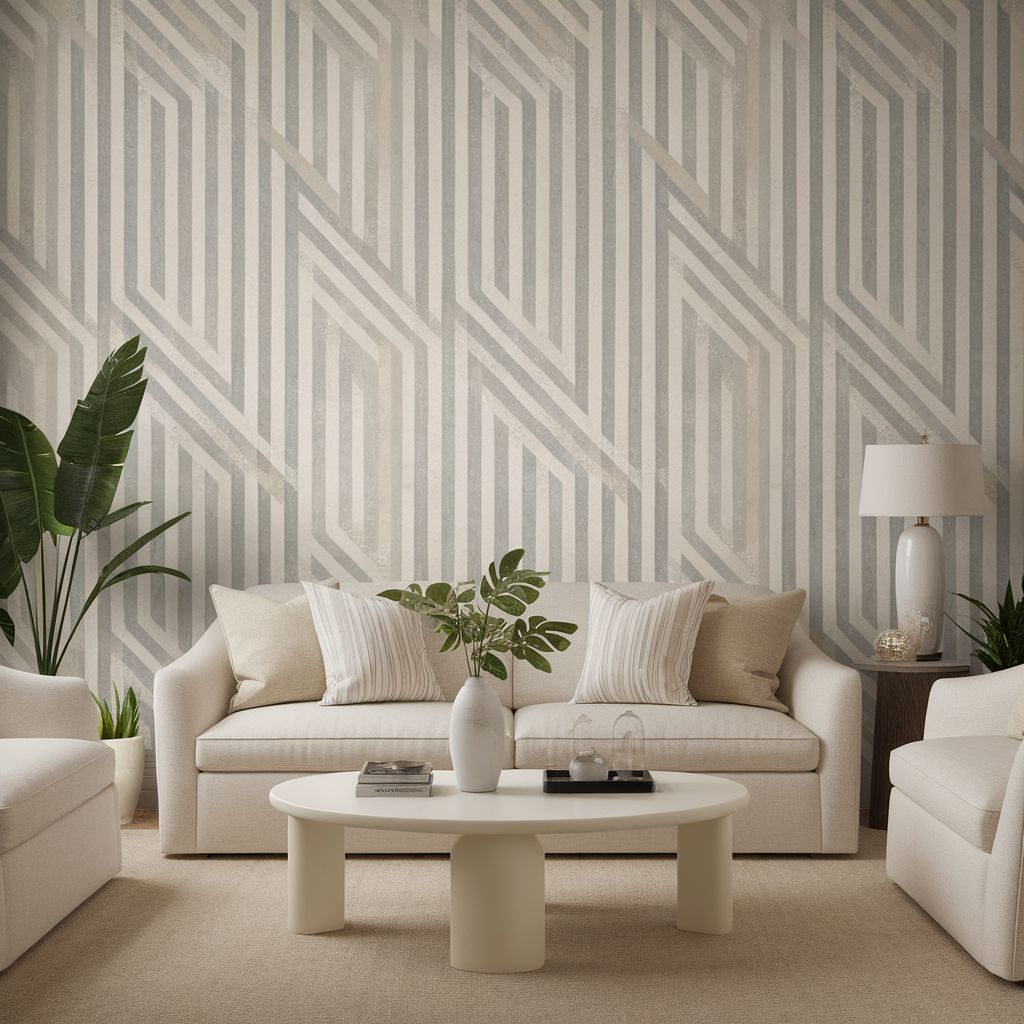
Monochromatic geometric designs.
Geometric patterns in neutral tones, such as black and white, continue to be a trend. These designs provide a modern and sophisticated look, ideal for those looking for a minimalist and elegant aesthetic.
Transform your walls into true works of art with large-scale murals. These designs create impressive focal points, whether with natural landscapes, urban scenes or abstract illustrations, adding depth and character to your spaces.
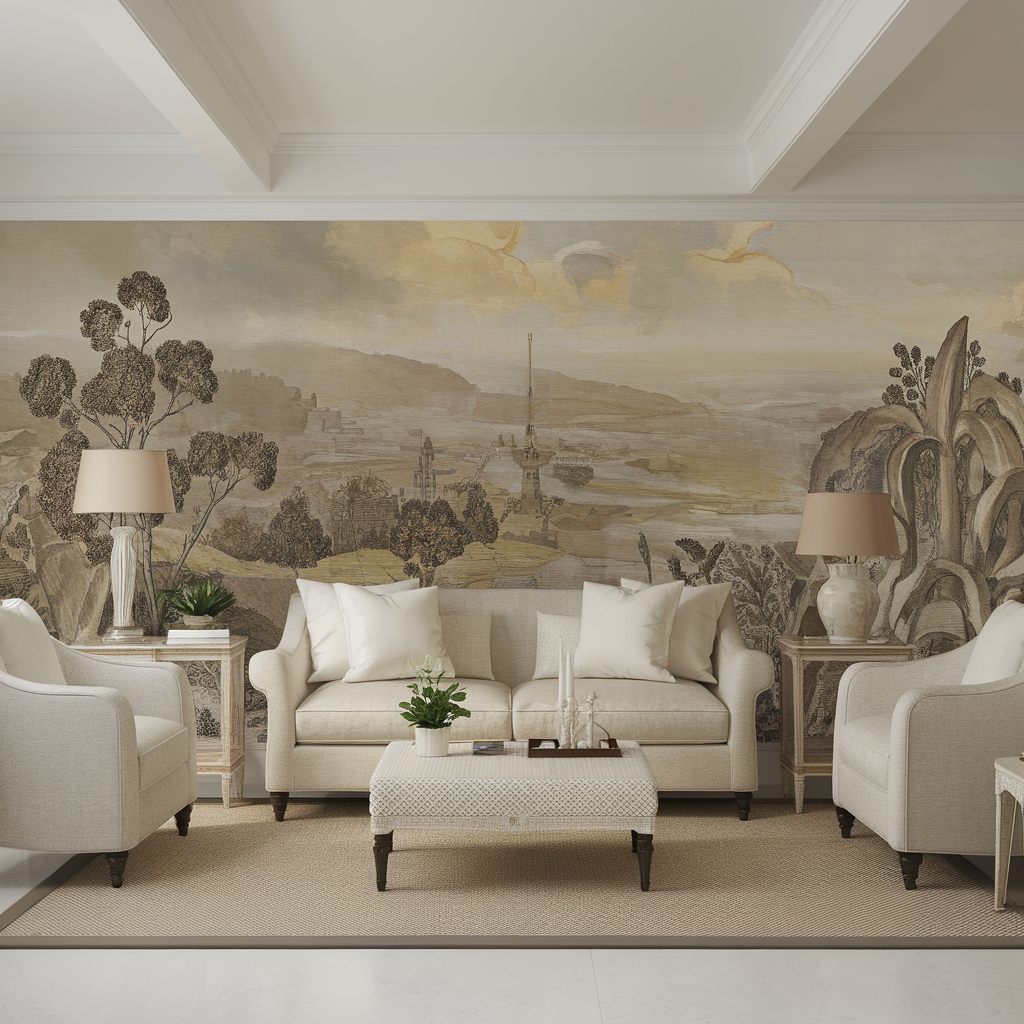
Creative Use of Wallpaper
Beyond walls, wallpaper is being used on ceilings and as statement pieces of art. This innovative application adds visual interest and demonstrates the versatility of wallpaper in home decor.
When considering these trends, it is important to also consider those that are falling behind. For example, zigzag or chevron patterns, oversized florals, and birch tree designs are losing popularity. Additionally, wallpaper accent walls are being replaced by more holistic approaches to decorating.
Exploring these trends will allow you to update and revitalize your spaces, reflecting your personal style and keeping up with the latest proposals in interior design. Go ahead and experiment and transform your home!
Preparation and Installation Process
Are you thinking about installing wallpaper in your home? A successful installation starts with careful preparation. Here are some key tips for achieving a professional finish:
Preparing the walls
Before you begin, it’s essential that the walls are clean and smooth. Remove any dust, grease or remnants of previous wallpaper. A well-prepared surface ensures better adhesion and a flawless result. In addition, applying a specific wallpaper primer can facilitate future renovations, allowing for easier removal if you decide to change the design later.
Accurate measurements
Taking exact measurements of the height and width of each wall is essential. Don’t forget to consider elements such as windows, doors and sockets, as they affect the total amount of wallpaper needed. This attention to detail will help you avoid waste and ensure that the patterns align correctly during installation.
Testing patterns
Before final installation, it is advisable to test a few strips of wallpaper in different areas and lighting conditions. This will allow you to visualize how the colors and designs will look in the real space, and make adjustments if necessary to get the desired effect.
Small Projects for Beginners
If it’s your first time working with wallpaper, starting with smaller areas can be beneficial. This will allow you to gain confidence and hone your technique before tackling larger spaces. Small projects minimize the risk of major mistakes and give you the opportunity to practice without as much pressure.
Remember that successful installation relies heavily on meticulous preparation and a detailed approach to each step of the process. With dedication and patience, you’ll transform your spaces with designs that reflect your personal style.
When to Consider Professional Assistance
Of course! When embarking on a wallpapering project, it’s natural to wonder whether to do it yourself or hire a professional. There are situations where the expertise of an expert can be invaluable. For example, intricate designs that require precise alignment can be challenging, even for the most experienced DIY enthusiasts. A professional installer has the skills necessary to ensure that patterns match perfectly, achieving a polished and attractive finish.
Additionally, if the room has unique architectural features, such as vaulted ceilings or angular walls, installation can become tricky. In these cases, a professional can handle these challenges effectively, ensuring a harmonious aesthetic. In high-visibility areas, such as living rooms or entryways, where a flawless finish is essential, the expertise of a qualified installer ensures proper wallpaper adhesion, avoiding issues such as bubbles or peeling.
While wallpapering can be a rewarding DIY project, in complex situations, enlisting the help of a professional can be the best option for optimal results.
Maintenance and Care of Wallpaper
Did you know that caring for and maintaining your wallpaper is essential to preserve its beauty and prolong its lifespan? Let me tell you how to do it in a simple and effective way:
First, it is important to recognize that each type of wallpaper – whether vinyl, fabric or paper – requires specific care. For example, if you have vinyl wallpaper, which is very durable and easy to clean, the ideal is to wipe it with a damp cloth or a sponge with mild soap; be careful! Avoid abrasive products, as they could scratch the surface. On the other hand, if it is fabric or paper wallpaper, it is essential to avoid excess water and high humidity; in these cases, it is best to use a soft, dry cloth to remove dust and dirt.
When faced with a stain, acting quickly is key. For light stains on vinyl, a mixture of water and mild detergent is usually enough, applying it carefully without soaking the wallpaper. If the stain is more difficult, you can try a specialist cleaner, but always remember to test it in an inconspicuous area to make sure it doesn’t damage the finish.
The environment in which the wallpaper is placed also influences its preservation. Maintaining a stable temperature and a humidity level between 40% and 60% helps prevent deterioration and fading of the materials. In addition, protecting the walls from direct sunlight – using blinds or curtains – will prevent UV rays from fading the colours.
Finally, I recommend regularly inspecting the wallpaper for signs of wear, such as peeling edges or bubbles. Detecting these details in time and repairing them – either by re-gluing the affected areas or replacing sections – will ensure that your decoration remains impeccable over time.
With these tips, you can enjoy the beauty and functionality of your modern wallpaper for many years to come. Take care of those details and keep your home always radiant!
Cost Considerations for Wallpaper Projects
Starting a wallpapering project is exciting, but understanding the financial aspects is also critical to planning and budgeting properly. Here are some key points to consider:
Material Costs
The type of wallpaper you choose will directly influence the total cost. Options range from cheaper vinyls to higher-priced luxurious silks. Additionally, specialty wallpapers with unique textures or patterns often cost extra. It’s important to evaluate which style and material fit both your aesthetic preferences and your budget.
Installation Costs
You may choose to install the wallpaper yourself to save money. However, keep in mind that more complex designs may require the precision of a professional to ensure a flawless finish. Professional installers typically charge by the hour or square foot, and rates can vary depending on location and the complexity of the job. Requesting multiple quotes will help you make an informed decision.
Durability and Longevity
Investing in high-quality materials may represent a larger initial expense, but in the long run it can translate into significant savings. Durable wallpapers not only require fewer replacements and repairs, but they are also typically easier to clean and maintain, extending their lifespan. Consider this when selecting the right material for your space.
In summary, when planning your wallpapering project, it is essential to carefully evaluate the costs of materials, installation fees, and the long-term benefits of investing in quality. A well-structured budget will allow you to successfully and satisfactorily transform your space.
DIY vs. Hiring a Professional: Pros and Cons
When renovating with wallpaper, one of the biggest decisions is whether to do it yourself (DIY) or hire a professional. Both have pros and cons that can affect the end result.
Advantages of DIY
Cost savings – You avoid spending on labor, which can significantly reduce your budget.
Personal satisfaction – Doing the installation yourself provides a sense of accomplishment and creativity.
Flexibility – You can work at your own pace and make adjustments as needed.
Disadvantages of DIY
Learning curve – Lack of experience can lead to mistakes like bubbles, misalignment, or wasted material.
Time investment – It can take more hours (or days) than expected, especially if problems arise.
Expensive fixes – If the result is not optimal, redoing the job could raise the total cost.
Advantages of hiring a professional
Flawless finish – Experts ensure a precise installation, without bubbles or pattern alignment flaws.
Time Savings – A professional can complete the job in less time and without any setbacks.
Handling Complex Designs – Ideal for difficult patterns or spaces with high ceilings, tricky corners or irregular structures.
Disadvantages of Hiring a Professional
Additional Cost – Labor increases the total expense of the project.
Less Direct Control – Must coordinate with the installer and trust their judgment.
Availability – May require waiting depending on the professional’s schedule.
Which Option to Choose?
If you are looking to save money, have patience and a simple project, DIY may be the best option. However, if the wallpaper is expensive, the pattern is complicated or the installation requires precision, hire a professional to ensure a quality, stress-free finish.
Whatever the choice, good preparation will ensure that the end result will successfully transform your space.
If you are looking for more inspiration for decorating and renovating your room, take a look at our creative store.