
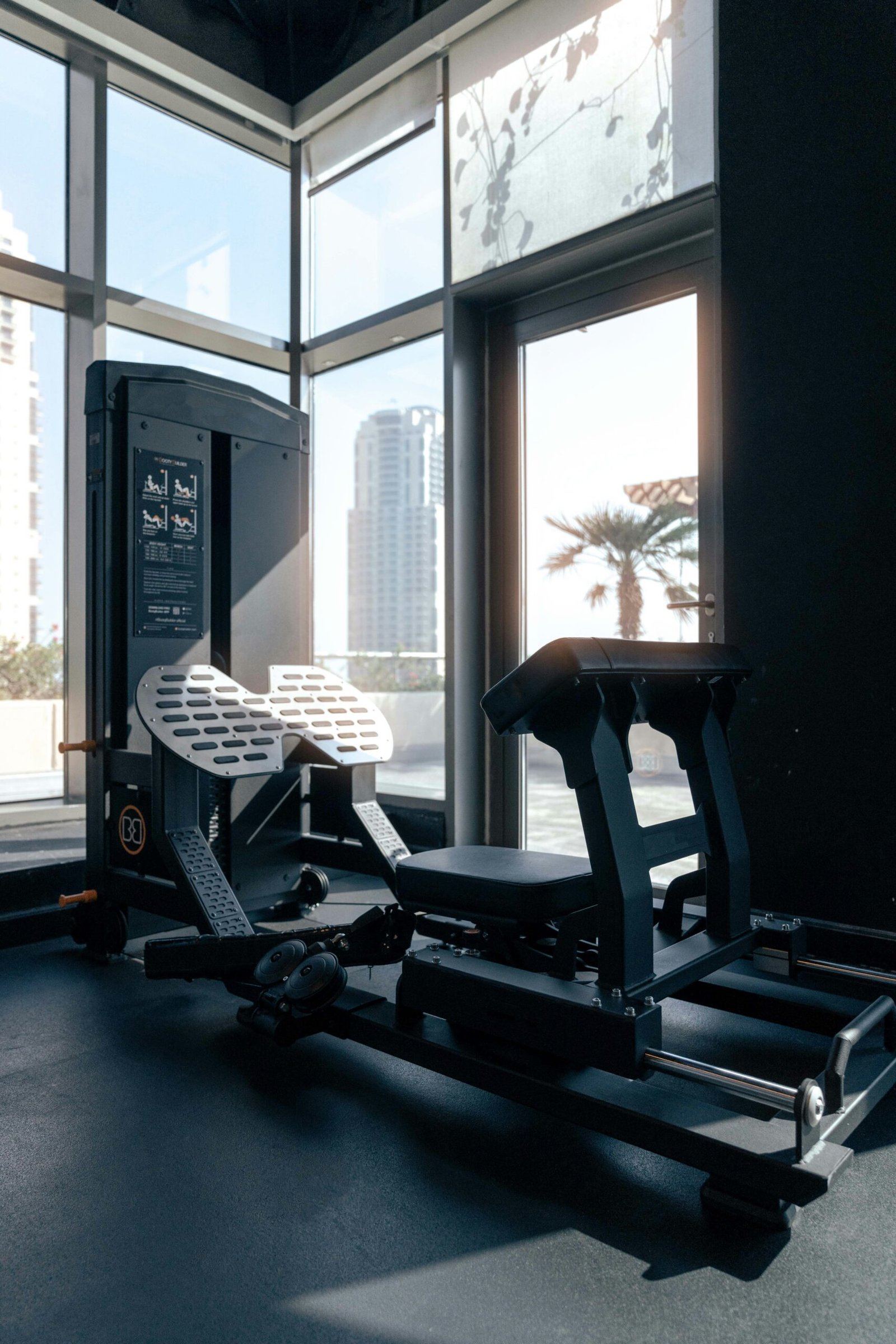
Introduction to Pilates and Weight Training
Pilates and weight training are two popular exercise methods that cater to diverse fitness goals and preferences. Both approaches have their origins rooted in distinct philosophies and offer unique benefits for practitioners. Understanding their foundations is essential for making an informed decision about which method aligns with individual needs and aspirations.
Pilates originated in the early 20th century, developed by Joseph Pilates, who designed a system of exercises focused on improving core strength, flexibility, and overall body awareness. This low-impact exercise method emphasizes controlled movements and proper alignment, promoting mental clarity and connection with the body. The foundational principles of Pilates include concentration, control, centering, precision, breath, and flow, all contributing to a holistic approach to physical fitness. Pilates is particularly beneficial for enhancing posture, stabilizing the core, and rehabilitating injuries, making it a popular choice for individuals seeking to improve their mobility and functional strength.
In contrast, weight training, also known as resistance training, has roots that can be traced back to ancient civilizations, where strength building was a crucial aspect of athletic training and physical labor. Aimed primarily at enhancing muscle strength, endurance, and size, weight training involves the use of various forms of resistance, including free weights, machines, and bodyweight exercises. This method appeals to those looking to build muscle mass, develop functional strength, and enhance sports performance. Additionally, weight training has benefits beyond strength; it can support weight management, improve bone density, and aid metabolic function, contributing to long-term health and wellness.
While both Pilates and weight training offer valuable contributions to fitness, strength, and overall well-being, their differing methodologies and objectives can make one method more suitable than the other depending on personal fitness goals.
Understanding Pilates: Benefits and Techniques
Pilates is a form of low-impact exercise that emphasizes core strength, flexibility, and overall body awareness. The methodology was developed in the early 20th century by Joseph Pilates and has since evolved into a popular fitness regime. One of the key components of Pilates is its focus on controlled movements, which fosters proper alignment and encourages the muscular imbalances to be addressed effectively.
One of the most significant benefits of Pilates is improved flexibility. Many Pilates exercises are designed to stretch and elongate the muscles, resulting in a more flexible body. This increased flexibility can enhance overall performance in various physical activities, potentially reducing the risk of injuries. Additionally, Pilates promotes core strength, which refers to the muscles surrounding the abdomen, lower back, and pelvis. A strong core serves as the foundation for most physical activities and can lead to better stability and posture.
Posture is another key focus of Pilates training. Regular practice helps individuals become more aware of their body alignment, enabling them to develop better postural habits. Improved posture not only contributes to a more aesthetically pleasing appearance but also alleviates stresses on the spine and reduces the risk of developing chronic pain conditions.
To enhance the traditional Pilates practice, many enthusiasts use a foldable Pilates reformer. This piece of equipment features a sliding carriage, adjustable spring resistance, and various attachments that allow for a diverse range of exercises. The reformer intensifies workouts by providing added resistance, enabling users to target different muscle groups more effectively. Furthermore, its foldable design offers flexibility in storage and mobility, making it an attractive option for home users and studios alike. Incorporating a reformer into practice can deepen the understanding of Pilates principles while simultaneously challenging the body in new and innovative ways.
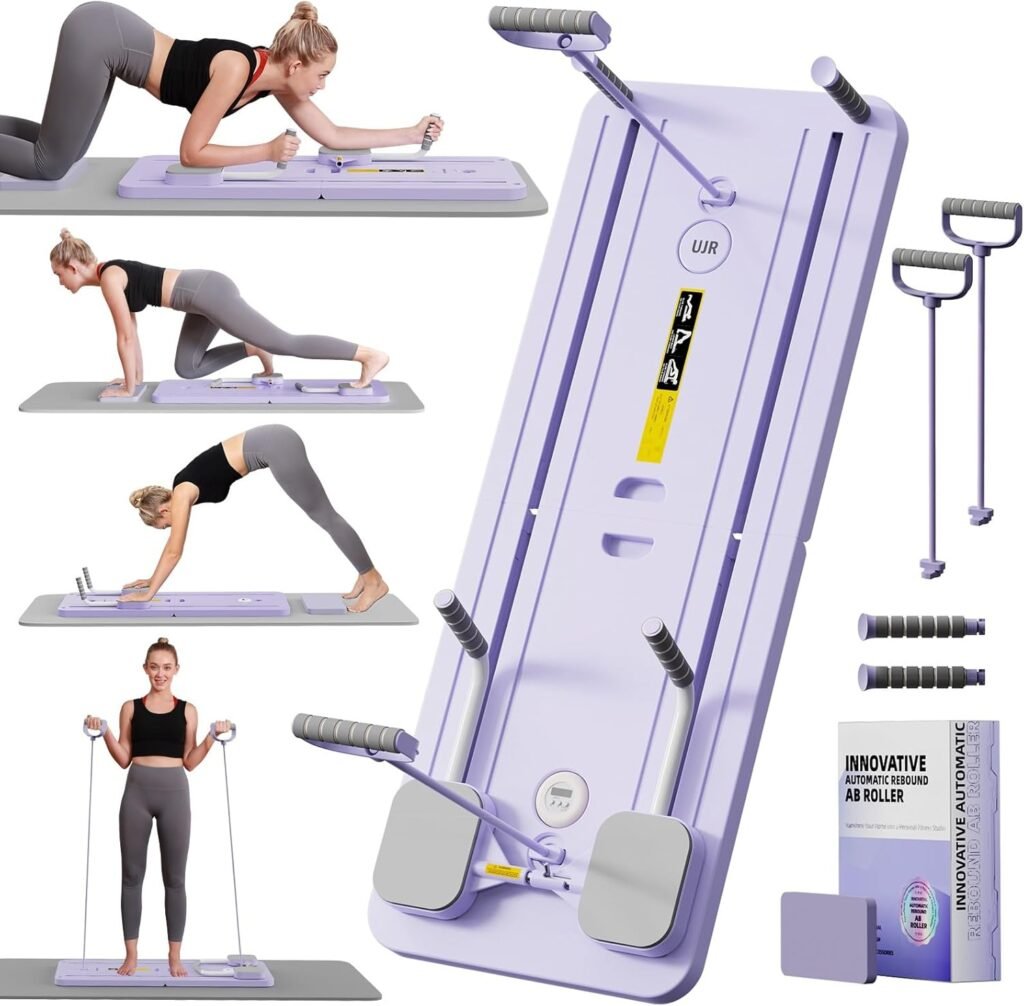
Foldable Pilates Reformer Ab Machine with Automatic Rebound Function for Home Gym – Core & Abdominal Strength Training Equipment with Knee Pad – Ab Core Trainer, Push-Up Board, Full Body Workout
Exploring Weight Training: Advantages and Approaches
Weight training, an integral component of fitness regimes globally, offers numerous benefits that can significantly enhance overall health and physical performance. One of the primary advantages is muscle building, which occurs as a result of progressive overload. Engaging in weight training consistently stimulates muscle fibers, leading to hypertrophy, or muscle growth. This process not only improves strength but also contributes to a more toned physique, appealing to individuals aiming for aesthetic enhancements.
Another notable benefit of weight training is its effectiveness in fat loss. Unlike traditional cardiovascular exercises, weight training elevates resting metabolic rate, enabling the body to burn calories more efficiently even at rest. This metabolic boost is essential for individuals seeking to lose weight or maintain a healthy body composition. Moreover, research indicates that incorporating resistance training may result in a greater percentage of fat loss compared to cardio alone, making weight training a valuable ally in any fat-loss strategy.
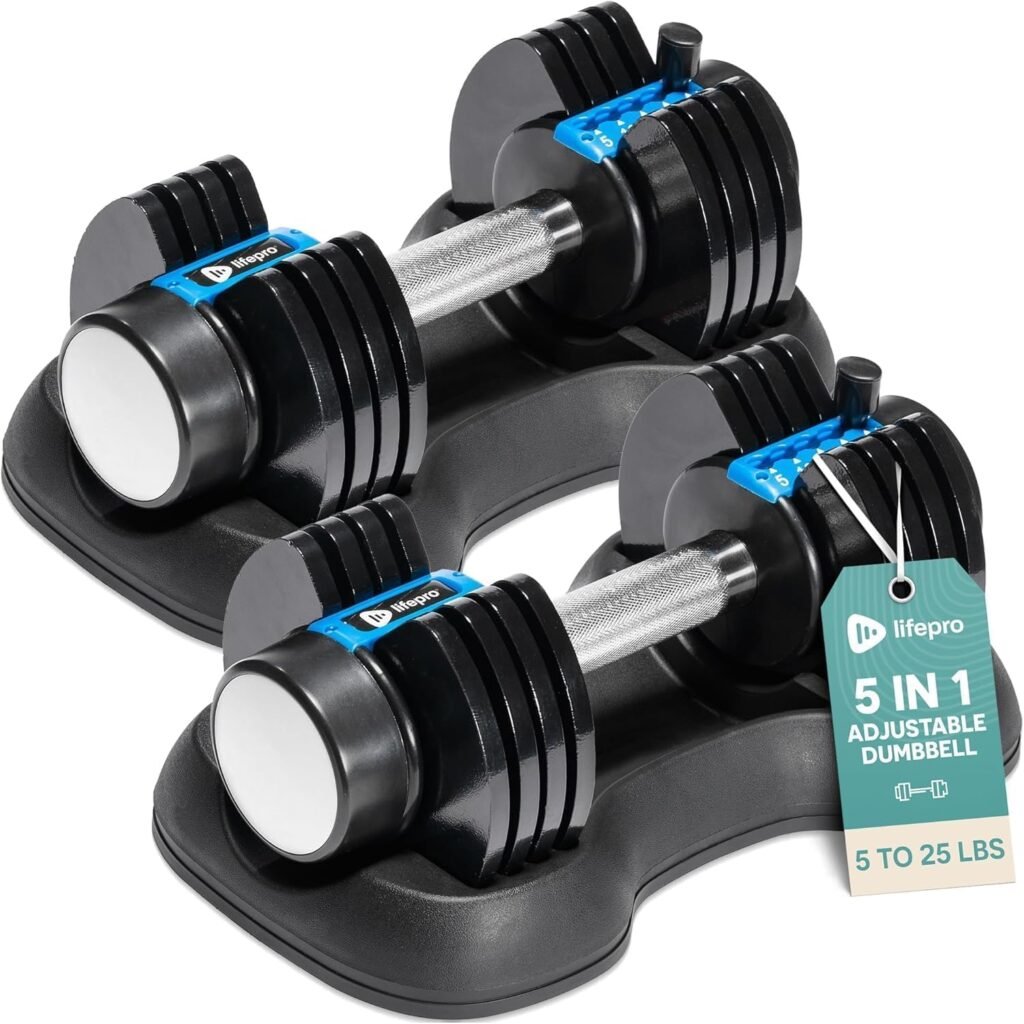
Lifepro Adjustable Dumbbell Set – Hand Weights for Women and Men – Dumbbell with Adjustable Weights, 5lb, 10lb, 15lb, 20lb, 25lb
Various methods of weight training are available, allowing individuals to tailor their routines to meet personal goals and preferences. Traditional approaches include free weights, such as barbells and adjustable dumbbells, which provide a versatile tool for strength training. Specifically, the Feierdun adjustable dumbbells exemplify modern engineering in weight training equipment. Their design allows users to easily modify weight levels, accommodating different exercises and facilitating progressive overload without needing a range of dumbbells. This adaptability makes them particularly valuable for both beginners and advanced fitness enthusiasts alike.
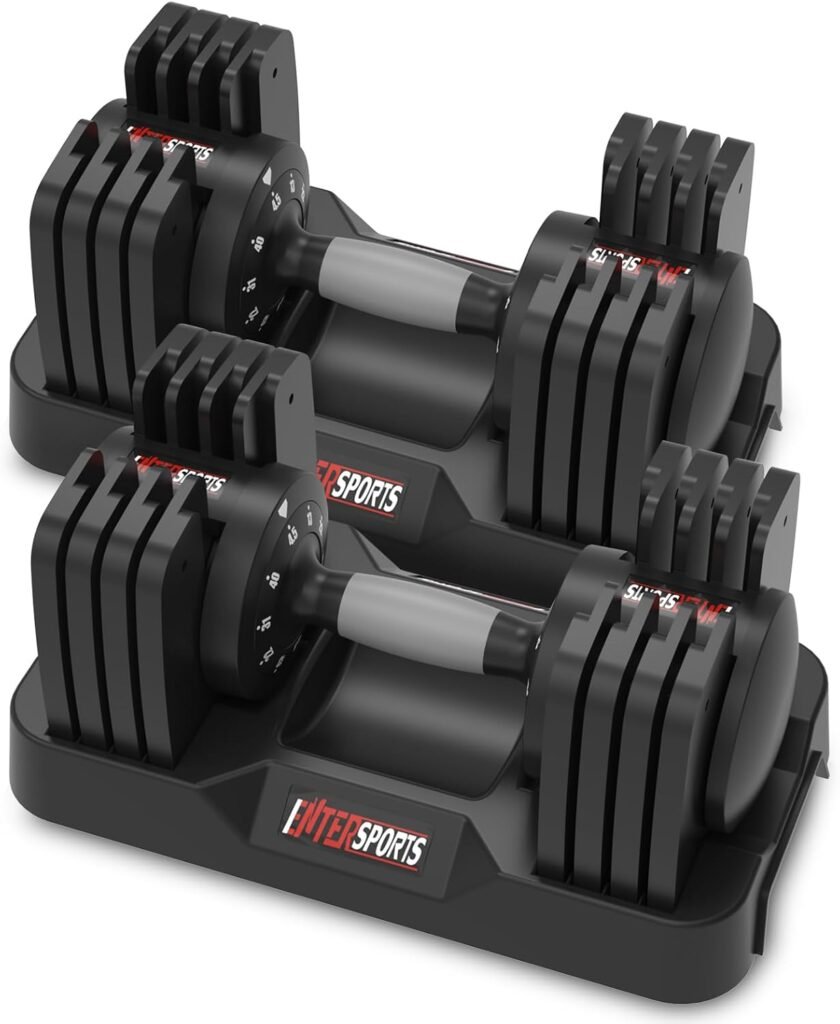
FEIERDUNEnterSports 26.5LBS/40LBS Adjustable Dumbbell Set Quick Adjustment Space-saving Dumbbell with Non-Slip Handle Adjustable Weight 5 Levels, Adjustable Dumbbell Weights Suitable for Women Men Home Office Gym Body Strength Training
In conclusion, the numerous advantages of weight training, including effective muscle building, fat loss, and metabolic improvements, position it as a key element of a balanced fitness routine. With various methods available, such as adjustable dumbbells, individuals can engage in effective strength training customized to their personal fitness goals.
Comparative Analysis: Pilates vs. Weight Training
When evaluating the nuances of Pilates and weight training, it is essential to understand their distinct approaches to fitness. Pilates focuses primarily on core strength, flexibility, and stability, utilizing controlled movements and specific breathing techniques. The exercises are usually performed on a mat or specialized equipment, promoting body awareness and postural alignment. In contrast, weight training, also known as resistance training, emphasizes building muscle strength and hypertrophy through the use of free weights, machines, or bodyweight exercises. This method typically involves lifting heavier weights for shorter repetitions, targeting specific muscle groups with the intention of enhancing overall physical performance.
The intensity of workouts in Pilates and weight training varies significantly. Pilates sessions tend to be lower in intensity, focusing on precision and form rather than high-intensity exertion. Participants can expect to perform exercises in a controlled manner, often at a moderate pace. Weight training, however, frequently includes high-intensity sessions with a focus on maximum effort, often resulting in an elevated heart rate and increased calorie expenditure during and after the workout. This discrepancy in intensity can impact individual fitness goals; for instance, those aiming to improve cardiovascular endurance may find weight training more beneficial, while individuals seeking enhanced flexibility and core strength might lean towards Pilates.
Muscle engagement is another critical differentiator. Pilates targets multiple muscle groups simultaneously, emphasizing the concept of functional fitness—where movements are designed to mimic everyday activities. On the other hand, weight training typically isolates specific muscles, allowing for targeted development and strength gains. Hence, the choice between Pilates and weight training largely hinges on personal fitness goals. While Pilates may be more appropriate for those interested in achieving a lean physique and improved posture, weight training is often favored by individuals looking to increase muscle mass and strength.
Who Should Choose Pilates?
Pilates is a form of exercise that emphasizes core strength, flexibility, and overall body awareness, making it an excellent choice for a variety of individuals. It is particularly beneficial for those seeking low-impact workouts, as Pilates exercises can be modified to accommodate different fitness levels and physical limitations. For individuals recovering from injuries, Pilates provides a gentle approach that can aid in rehabilitation by strengthening muscles without putting undue stress on the joints.
Moreover, Pilates is an ideal option for people looking to enhance their flexibility and posture. The slow, controlled movements promote muscle elongation and joint mobility, which can lead to improved alignment and decreased risk of injury. This makes it especially appealing for those who may have sedentary lifestyles or who spend long hours at desks, as it addresses common issues such as tight hips and lower back discomfort.
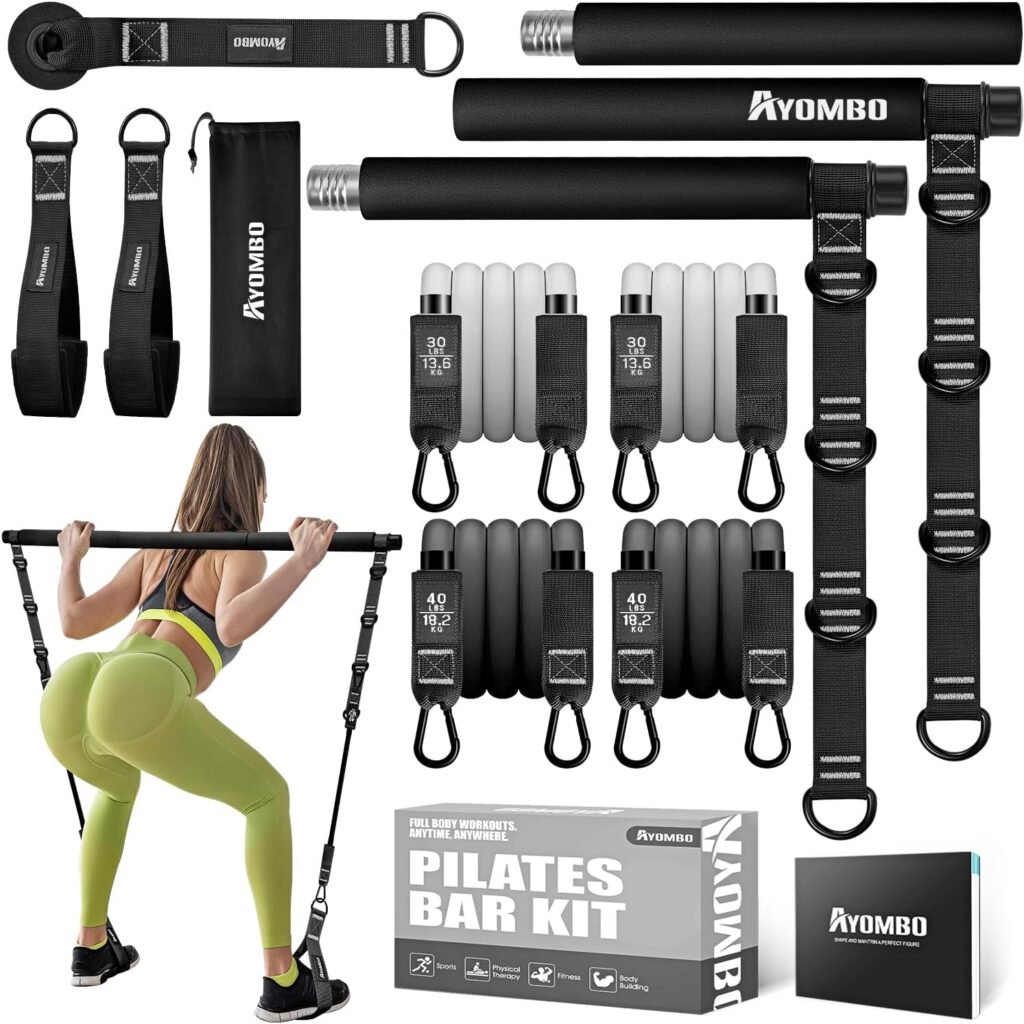
Pilates Bar Kit with Resistance Bands, Pilates Workout Equipment for Legs, Hip, Waist, Arm, Squats Exercise Equipment for Home Workouts, Adjustable 3-Section Pilates Bar Kit for Women & Men
Newcomers to fitness often find Pilates to be an inviting entry point. Its focus on breath control and mindful movement helps individuals develop body awareness and learn the fundamentals of movement prior to engaging in more vigorous forms of exercise. Additionally, those looking for a holistic fitness solution that incorporates both physical and mental elements may find Pilates particularly satisfying. With its emphasis on mindfulness, Pilates encourages practitioners to connect their mind and body through movement, ultimately enhancing their overall well-being.
In summary, Pilates is well-suited for individuals seeking low-impact workouts, injury rehabilitation, improved flexibility, or those who are starting their fitness journey. By considering individual fitness goals and capabilities, one can determine if Pilates is the right choice for them, fostering a sustainable and enjoyable exercise routine.
Who Should Opt for Weight Training?
Weight training, a form of strength training that involves lifting weights to build muscle, is beneficial for a broad spectrum of individuals. It is particularly advantageous for those looking to increase muscle mass, enhance athletic performance, and improve bone density. Individuals aiming for muscle gain are prime candidates for this training regimen. By engaging in systematic weight lifting, these individuals can effectively stimulate muscle hypertrophy, leading to increased strength and improved aesthetics. Furthermore, weight training promotes the release of anabolic hormones, which facilitate muscle growth, making it ideal for athletes and fitness enthusiasts looking to enhance their performance in sports.
In addition to muscle gain, weight training is crucial for athletes seeking to improve their performance. A well-structured weight training program can lead to increased power, agility, and endurance, all of which are vital for various sports. The muscle strengthening associated with weight training contributes to better overall body mechanics, ultimately allowing for faster sprinting, jumping higher, and increased resistance to fatigue during competition.
Moreover, weight training is beneficial for individuals concerned about bone health. It has been shown that lifting weights directly contributes to bone density, decreasing the risk of osteoporosis, particularly in older adults. As we age, maintaining bone health becomes increasingly critical, particularly for women who are often at a higher risk for bone-related issues.
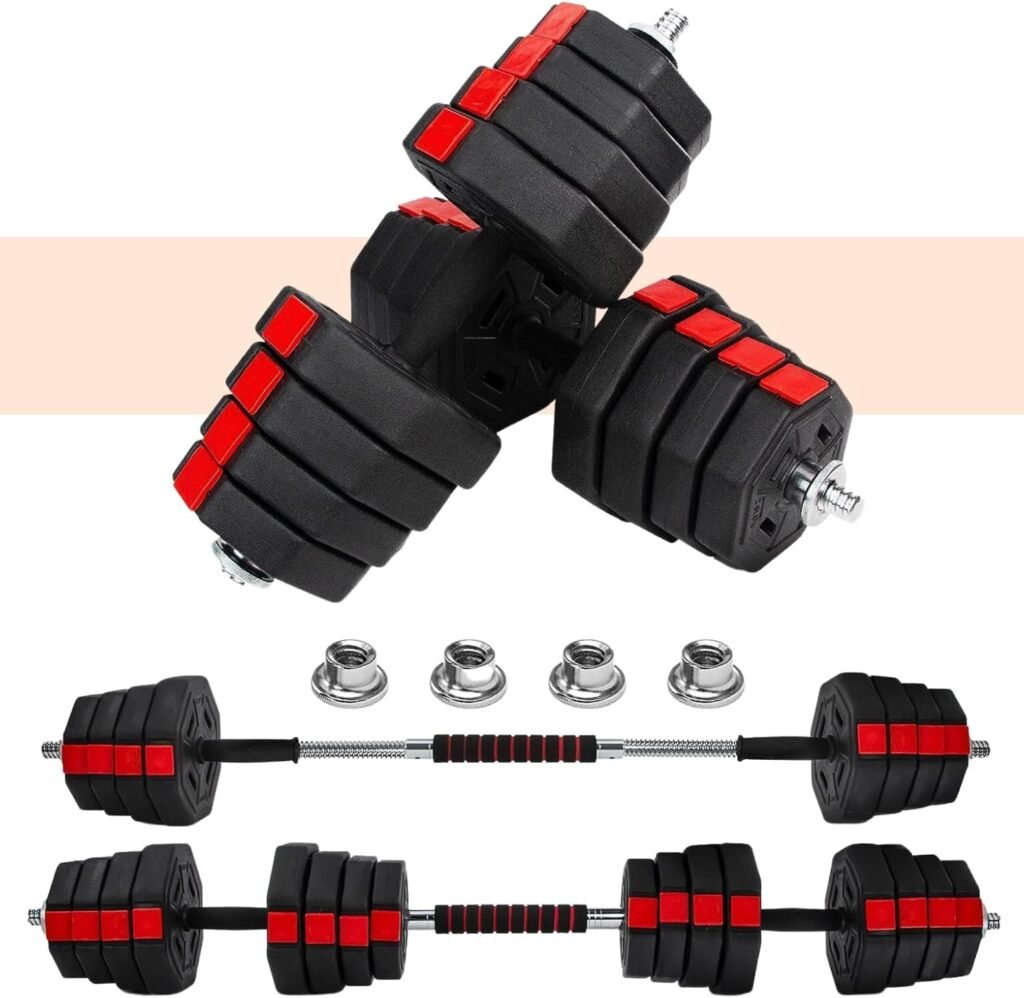
Yes4All Adjustable Cast Iron Dumbbell, Poids Et Haltere, Weights for Home Gym 40/50/52.5/ to 60lbs with Alloy Steel Connector Option for Strength Training, Full Body Workout, Muscle Building Men Women
For beginners embarking on their weight training journey, it is essential to approach this form of exercise with proper guidance and technique. Starting with lighter weights and focusing on form is crucial to prevent injuries and build a strong foundation. Those new to weight training can benefit significantly from professional instruction, whether through personal trainers or structured classes, ensuring they develop confidence and competence in their training.
Workout Tips for Beginners: Pilates and Weight Training
Embarking on a fitness journey can be both exciting and daunting, especially for beginners trying to decide between Pilates and weight training. Implementing effective strategies early on is crucial for building a solid foundation in either discipline. One of the first steps is establishing a balanced workout schedule. Aim for at least three to four sessions per week, mixing both Pilates and weight training. This approach not only prevents monotony but also enhances overall fitness by working different muscle groups effectively.
When beginning with Pilates, focus on familiarizing yourself with the core principles such as breath, concentration, and control. Start with beginner-friendly classes or online tutorials focusing on simpler exercises. Always prioritize form over the number of repetitions, as proper technique is essential in preventing injuries. In weight training, ensure you learn about the correct usage of equipment, as improper handling could lead to strains or injuries. It may be beneficial to work alongside a certified trainer who can demonstrate the ideal form and provide personalized guidance.
Progression is vital in both Pilates and weight training. For Pilates, gradually increase the intensity by incorporating more challenging movements or additional resistance such as resistance bands or Pilates rings. In weight training, start with lighter weights to master the fundamental movements before gradually increasing the load according to your strength level. Listening to your body is key; if you experience discomfort, it’s important to modify the exercise or take a break.
By establishing a balanced workout schedule and following proper techniques, beginners can enjoy a safe and effective introduction to Pilates and weight training, paving the way for long-term success in their fitness journey.
Combining Pilates and Weight Training for Optimal Fitness
Integrating Pilates and weight training into a comprehensive fitness routine can yield exceptional benefits, as each modality brings unique strengths to the table. Pilates primarily focuses on core strength, flexibility, and overall body awareness, while weight training targets muscle building and increases bone density. By combining these disciplines, individuals can achieve a more balanced and effective fitness regimen that enhances overall physical health.
One of the key advantages of alternating between Pilates and weight training is the ability to prevent overuse injuries. Engaging in weight training on its own can lead to muscle fatigue and strain if done excessively. Incorporating Pilates provides a form of active recovery, allowing the muscles to recover while still promoting flexibility and stability. This complementary relationship not only helps maintain a consistent workout schedule but also encourages better performance in both areas.
Moreover, alternating between these two forms of exercise can lead to improved strength and flexibility. Pilates exercises emphasize controlled movements and proper alignment, resulting in enhanced posture and core stability. These benefits can transfer to weight training sessions, helping individuals lift weights more effectively and with reduced risk of injury. Conversely, the development of muscle strength from weight training can provide increased power and control during Pilates movements, further enriching the workout experience.
Integrating both Pilates and weight training into a fitness routine also caters to varying personal fitness goals. For instance, those seeking to lose weight may find that combining high-intensity weight training with Pilates enhances calorie burn while improving endurance. Simultaneously, individuals aiming for a more toned appearance can benefit from the synergistic effects of increased muscle definition from weight training with the elongation and flexibility cultivated through Pilates. In conclusion, creating a well-rounded fitness approach that incorporates both Pilates and weight training will support optimal physical health and wellness, catering to diverse fitness aspirations.
Conclusion: Choosing What’s Best for You
Determining the best workout option—Pilates or weight training—depends significantly on individual fitness goals, personal preferences, and any physical constraints one may experience. Both Pilates and weight training offer unique benefits and serve different purposes in a fitness regime.
Pilates emphasizes core strength, flexibility, and body awareness. It is often praised for its low-impact nature, making it suitable for individuals who may have joint issues or are new to exercise. Those looking to enhance their posture, increase their overall body control, or engage in rehabilitation may find Pilates to be an ideal choice. The mindful approach to movement can also provide substantial mental benefits, creating a holistic exercise experience.
In contrast, weight training focuses on building muscle strength and endurance. This method generally involves resistance exercises that target various muscle groups, leading to improvements in muscle mass, metabolic rate, and overall strength. For those aiming to increase their physical performance, boost bone density, or lose weight through higher calorie expenditure, weight training may be the more effective path. Additionally, the versatility of weight training allows for varied intensity levels and can easily be adapted to suit an individual’s growing capabilities.
Ultimately, the decision lies in identifying which form of exercise resonates more with you. It may also be beneficial to integrate both Pilates and weight training into your routine, as they can complement each other well. Consider conducting a personal assessment of your fitness goals, preferred workout styles, and any physical limitations you may have. Consulting with a fitness professional could further aid in making an informed decision that best aligns with your lifestyle and fitness aspirations.
I hope this article is helpful! If you have any questions about our privacy policy and affiliate marketing agreements, you can view our policy here.