
Plant-Based Nutrition
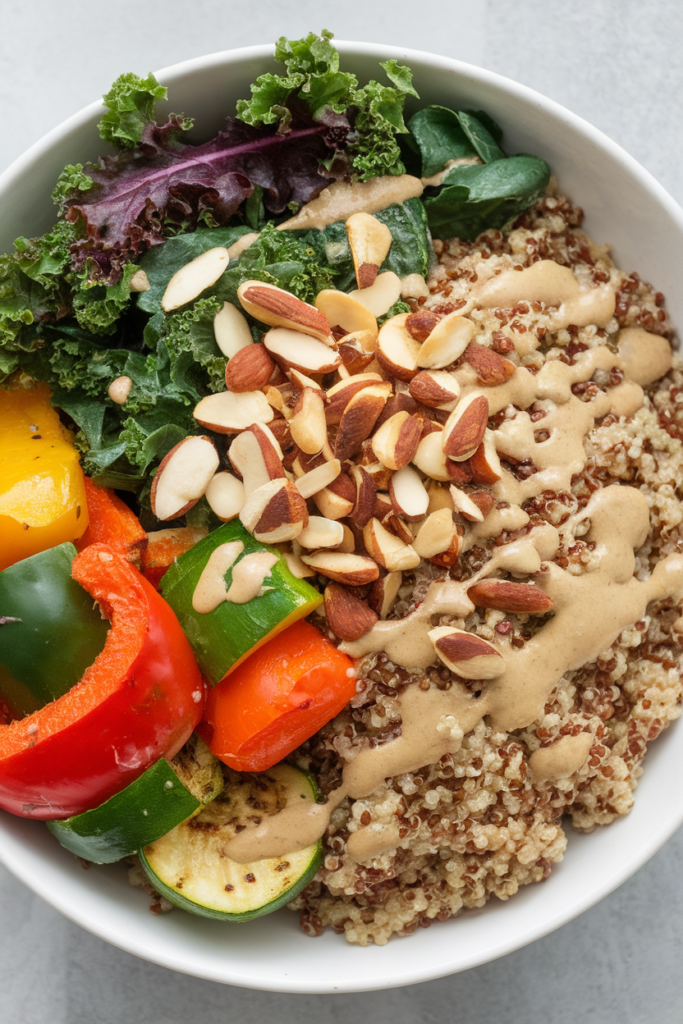
The growing trend of adopting a plant-based diet has garnered significant attention in recent years, driven by an increasing awareness of health, environmental, and ethical considerations. Individuals are increasingly seeking alternative sources of nutrition that not only promote well-being but also lessen their ecological footprint. A plant-based diet is characterized by the consumption of whole foods derived from plants, including fruits, vegetables, legumes, nuts, seeds, and whole grains, while minimizing or excluding animal products.
One of the most significant benefits of embracing this lifestyle is its potential to enhance overall health. Research indicates that plant-based diets are associated with a lower risk of chronic diseases such as cardiovascular conditions, diabetes, and certain forms of cancer. Furthermore, these diets often lead to improved weight management and increased energy levels. However, as individuals transition to or maintain a plant-based diet, it becomes crucial to remain vigilant about meeting nutritional needs to ensure optimal health.
Transitioning to a plant-based diet can sometimes lead to concerns regarding essential nutrients that are predominantly found in animal products. Key vitamins and minerals, such as vitamin B12, iron, calcium, omega-3 fatty acids, and protein, require careful attention to achieve adequate intake. Understanding the importance of these nutrients and identifying plant-based sources is essential for anyone aiming to sustain a balanced diet without relying on animal-derived foods.
As we delve deeper in this blog post, we will specifically focus on ten critical nutrients that individuals should monitor while following a plant-based diet, detailing their importance, potential deficiencies, and plant-based sources where these nutrients can be found. By raising awareness of these essential nutrients, individuals can make informed dietary choices, thereby enhancing the overall benefits of a plant-based lifestyle.
Protein: The Essential Building Block
Protein is often referred to as the essential building block of the body, playing a crucial role in the maintenance and repair of tissues, the production of hormones and enzymes, and supporting overall bodily functions. For individuals following a plant-based diet, obtaining sufficient protein is paramount to ensure that nutritional needs are met while adhering to a vegan or vegetarian lifestyle. Unlike animal proteins, plant proteins can sometimes lack one or more essential amino acids, which are the components necessary for the body’s various functions.
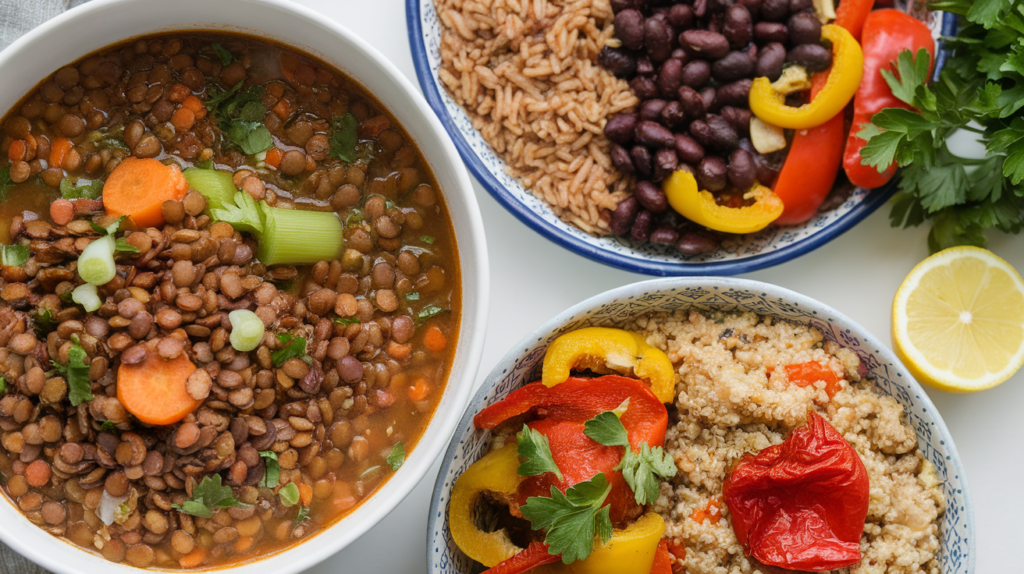
To equip oneself with adequate protein intake, incorporating a variety of plant-based protein sources is essential. Legumes, such as lentils, chickpeas, and black beans, are excellent sources of protein, as are whole grains like quinoa, brown rice, and oats. Nuts and seeds, including chia seeds, hemp seeds, and almonds, are also rich in protein and can be easily integrated into meals. Additionally, soy products such as tofu, tempeh, and edamame provide high-quality protein and are versatile for various dishes.
Combining different plant foods can help achieve a complete protein profile, ensuring all essential amino acids are consumed. For example, pairing rice with beans, or whole grain bread with peanut butter, creates a complete protein source. Incorporating recipes from resourceful cookbooks, such as the ‘Complete Plant-Based Cookbook‘, can facilitate the preparation of balanced meals that are rich in protein and other vital nutrients. Ensuring a diverse intake of these protein sources within one’s diet is fundamental to maintaining good health on a plant-based diet.
Iron: Fighting Fatigue
Iron plays a crucial role in maintaining energy levels and overall health, especially in individuals following a plant-based diet. This essential mineral is a component of hemoglobin, the protein in red blood cells responsible for transporting oxygen throughout the body. Consequently, adequate iron intake is vital for preventing fatigue and promoting optimal physiological functioning.
There are two types of dietary iron: heme iron and non-heme iron. Heme iron is predominantly found in animal products, making it less accessible to those on a plant-based diet. In contrast, non-heme iron is present in plant foods, although it is absorbed less efficiently by the body. Understanding the difference between these two forms of iron is critical for individuals looking to sustain their energy levels while adhering to a vegetarian or vegan lifestyle.
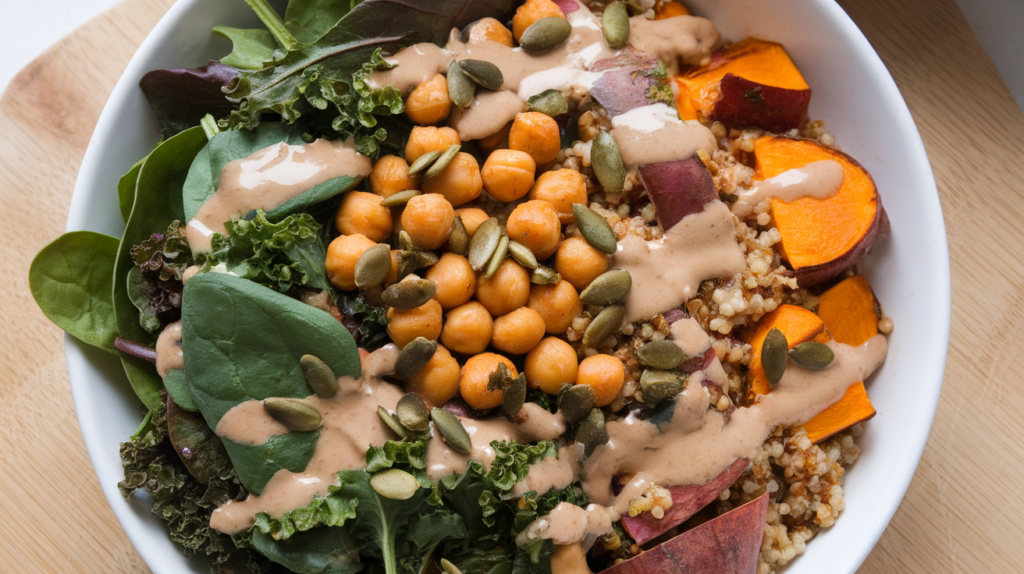
Many plant foods are rich in non-heme iron and can help meet daily requirements. Lentils, chickpeas, quinoa, tofu, and dark leafy greens, such as spinach and kale, are excellent sources of non-heme iron. Further, nuts and seeds, particularly pumpkin seeds and cashews, contribute to overall iron intake. Including these foods in daily meals will provide substantial amounts of iron, supporting both energy production and overall health.
To enhance iron absorption from plant sources, incorporating vitamin C-rich foods is highly beneficial. Consuming foods such as oranges, strawberries, bell peppers, and broccoli alongside iron-rich meals can significantly improve the body’s ability to absorb non-heme iron. This is particularly important for individuals on a plant-based diet, as it ensures they receive the necessary amount of this vital nutrient to combat fatigue and support overall well-being. Careful planning and awareness of nutrient sources are essential for those watching their iron intake.
Calcium: Strong Bones and Teeth
Calcium is an essential nutrient that plays a crucial role in maintaining strong bones and teeth. It is particularly important for individuals on a plant-based diet, as adequate calcium intake helps to prevent bone density loss and reduces the risk of fractures. The recommended daily allowance (RDA) for calcium varies based on age and sex; generally, adult women and men require about 1,000 mg daily, while women over the age of 50 and men over the age of 70 need approximately 1,200 mg per day.
Fortunately, there are several excellent plant-based sources of calcium that can help meet these dietary needs. Leafy greens are among the richest plant sources of calcium. Varieties such as kale, collard greens, and bok choy provide significant amounts of this vital mineral. Additionally, fortified plant milks, including almond, soy, and oat milk, often come enriched with calcium, making them an excellent substitute for dairy products. When selecting fortified products, it is important to check the labels to ensure they contain at least 30% of the daily value for calcium.
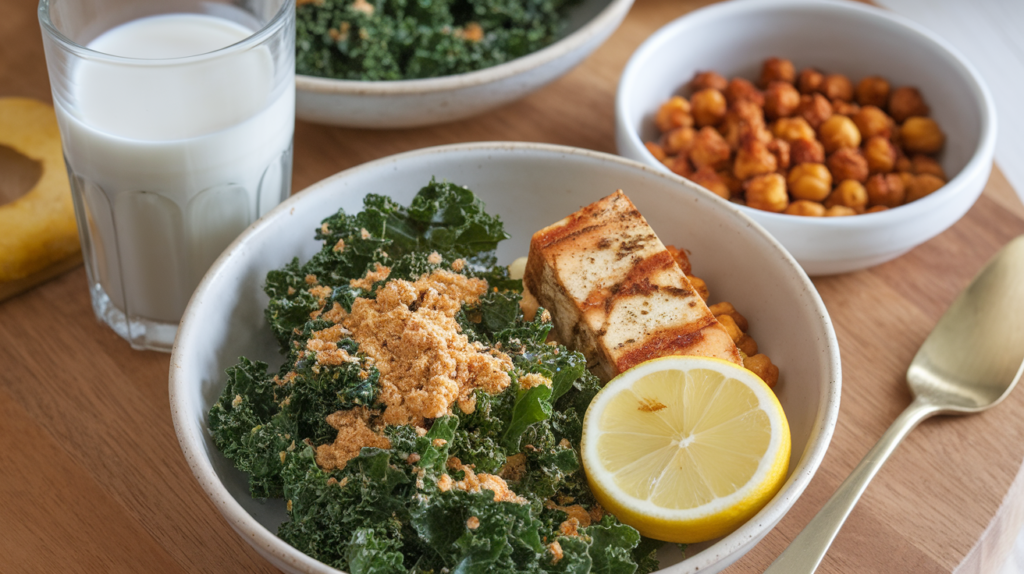
Another great plant-based source of calcium is tofu, particularly when it is set with calcium sulfate. Depending on the brand and preparation method, a single half-cup serving of tofu can yield around 200 to 400 mg of calcium. Other notable sources include chia seeds, almonds, and figs. To enhance calcium absorption, incorporating foods high in vitamin D, such as mushrooms exposed to UV light, is beneficial. Furthermore, certain calcium-fortified products, such as cereals and juices, can make it convenient to increase calcium intake without much effort.
By integrating these calcium-rich foods into a balanced plant-based diet, individuals can effectively support their bone health and overall well-being.
Recommend article: What is a Plant-Based Diet? A Complete Guide for Beginners
Vitamin B12: The Importance of Supplementation
Vitamin B12, also known as cobalamin, is a water-soluble vitamin that plays a critical role in maintaining nerve function, supporting red blood cell production, and ensuring proper DNA synthesis. For individuals following a plant-based diet, obtaining adequate amounts of vitamin B12 can pose a significant challenge, as this essential nutrient is predominantly found in animal products. Consequently, it is imperative for vegans and vegetarians to monitor their B12 levels and consider supplementation to prevent deficiencies.
Fortified foods serve as a crucial source of vitamin B12 for those on plant-based diets. Many alternative milk products, breakfast cereals, and nutritional yeast brands are fortified with synthetic vitamin B12, making them practical choices for supplementation. It is advisable to check food labels to confirm their B12 content and ensure they meet dietary needs. Additionally, supplements are widely available in various forms, including tablets, sublingual drops, and gummies, providing convenient and effective alternatives for B12 intake.
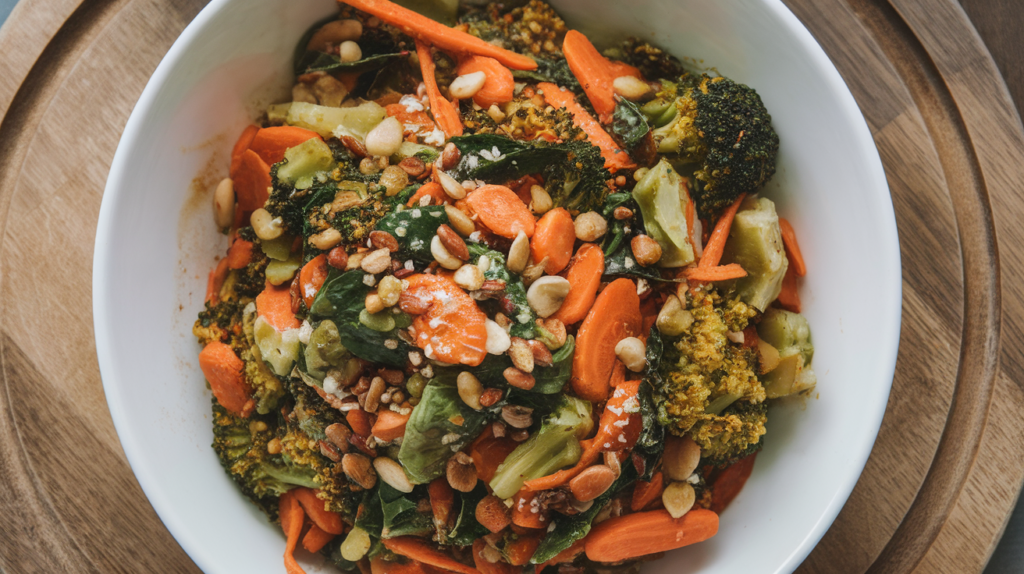
To effectively incorporate vitamin B12-rich meals into a plant-based lifestyle, strategies such as utilizing resources like the ‘30 Day Vegan Jumpstart’ ebook can be beneficial. This comprehensive guide not only includes meal plans rich in fortified foods but also offers recipes that help individuals balance their nutritional requirements while staying committed to vegan principles. By utilizing these resources, individuals can bolster their vitamin B12 intake without compromising their dietary choices.
Regular blood tests can help assess B12 levels and identify potential deficiencies early on. Those who experience symptoms like fatigue, weakness, or mood changes should consult a healthcare professional for guidance on supplementation and dietary choices. By being proactive about vitamin B12, individuals on a plant-based diet can maintain optimal health and well-being.
Omega-3 Fatty Acids: Heart Health and Beyond
Omega-3 fatty acids are essential nutrients known for their numerous health benefits, particularly in promoting heart health and supporting cognitive function. There are three principal types of omega-3 fatty acids: alpha-linolenic acid (ALA), eicosapentaenoic acid (EPA), and docosahexaenoic acid (DHA). ALA is primarily found in plant sources, whereas EPA and DHA are more commonly sourced from marine life. However, including adequate omega-3s in a plant-based diet is entirely feasible with careful dietary planning.
A significant source of ALA is flaxseeds, known for their high omega-3 content. Incorporating flaxseeds into meals can bolster overall omega-3 intake while providing additional benefits such as dietary fiber and lignans, which contribute to heart health. Chia seeds are another powerhouse; these tiny seeds can absorb liquid and form a gel-like substance, making them a versatile addition to smoothies, oatmeal, or puddings. Walnuts also serve as an excellent source; snacking on walnuts or adding them to salads enhances both nutrition and flavor.
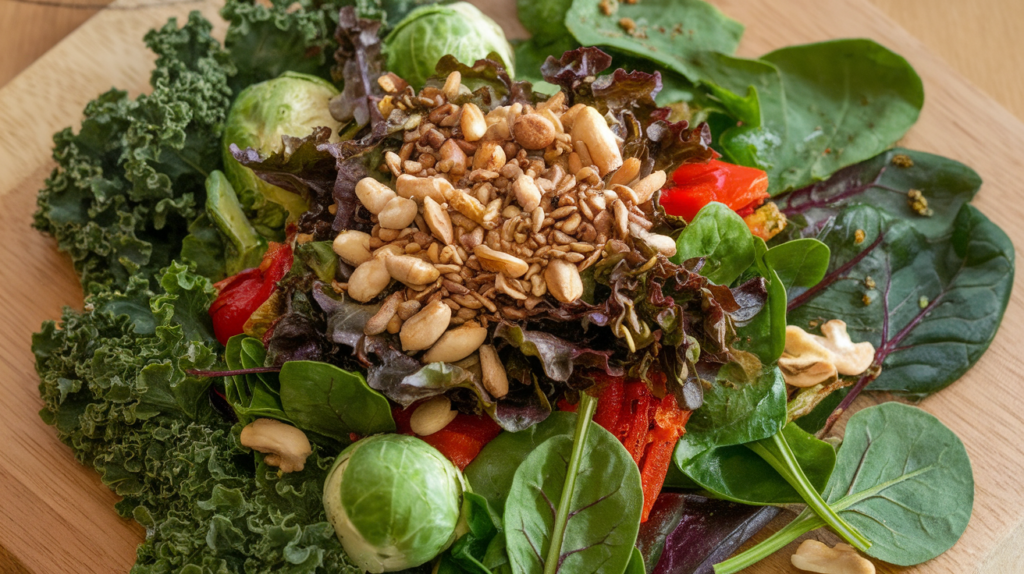
It is important to note that while ALA is beneficial, the conversion of ALA to EPA and DHA within the body is limited. Therefore, individuals following a strict plant-based diet might consider omega-3 supplements derived from algae, which can provide a direct source of DHA and EPA. Algal oil, available in capsule form, is a suitable alternative to fish oils and supports both heart and brain health without compromising dietary choices.
For optimal health, monitoring omega-3 intake is crucial, particularly in a plant-based diet. Emphasizing the inclusion of these essential fatty acids will not only enhance heart health but also support cognitive function effectively.
Zinc: Strengthening the Immune System
Zinc is an essential trace mineral that plays a pivotal role in numerous bodily functions, particularly in supporting immune health. It is integral to the development and functioning of immune cells, thereby facilitating the body’s ability to fend off infections and illnesses. Additionally, zinc contributes to wound healing by promoting cellular repair and regeneration, as well as playing a part in various metabolic processes that maintain overall health and vitality.
For individuals following a plant-based diet, it’s crucial to be aware of zinc sources, as this nutrient is often abundant in animal products. Nevertheless, several plant-based foods can effectively provide the necessary levels of zinc. Legumes, such as chickpeas, lentils, and black beans, serve as excellent sources of this mineral. Incorporating these legumes into meals can enhance zinc intake and provide additional health benefits, such as protein and fiber.
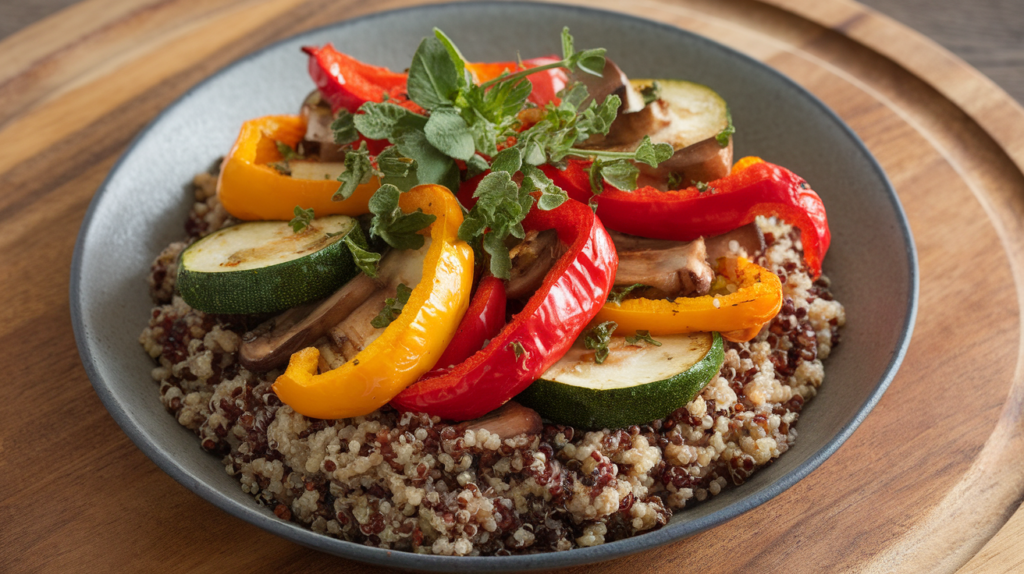
Nuts and seeds also present valuable options for obtaining zinc in a plant-based diet. Almonds, cashews, and pumpkin seeds are particularly rich in this important mineral. Moreover, whole grains, including quinoa, oats, and brown rice, offer another means of boosting zinc consumption. When preparing meals, consider recipes that combine these zinc-dense ingredients, such as a hearty lentil stew or a nourishing grain bowl adorned with nuts and seeds. Not only do these dishes enhance flavor and texture, but they also contribute significantly to overall nutritional well-being.
Maintaining adequate levels of zinc is imperative for those adopting a plant-focused eating regimen. By consciously including a variety of zinc-rich foods in daily meals, individuals can support their immune system, promote effective wound healing, and sustain their metabolic health.
Vitamin D: Achieving the Sunshine Vitamin
Vitamin D, often referred to as the «sunshine vitamin,» plays a crucial role in maintaining bone health and supporting the immune system. This nutrient aids in the absorption of calcium and phosphorus, both of which are essential for sustaining strong bones and teeth. For individuals following a plant-based diet, obtaining adequate amounts of vitamin D can be challenging, particularly for those residing in regions with limited sunlight exposure, especially during winter months.
Natural dietary sources of vitamin D are primarily found in fortified foods and some fungi. For those adhering to a plant-based lifestyle, fortified plant milks, juices, and cereals can serve as significant sources of this essential nutrient. Some varieties of mushrooms, particularly those exposed to ultraviolet (UV) light, can also contribute to vitamin D intake. However, it is important for individuals to check food labels, as not all products will offer sufficient amounts of vitamin D.
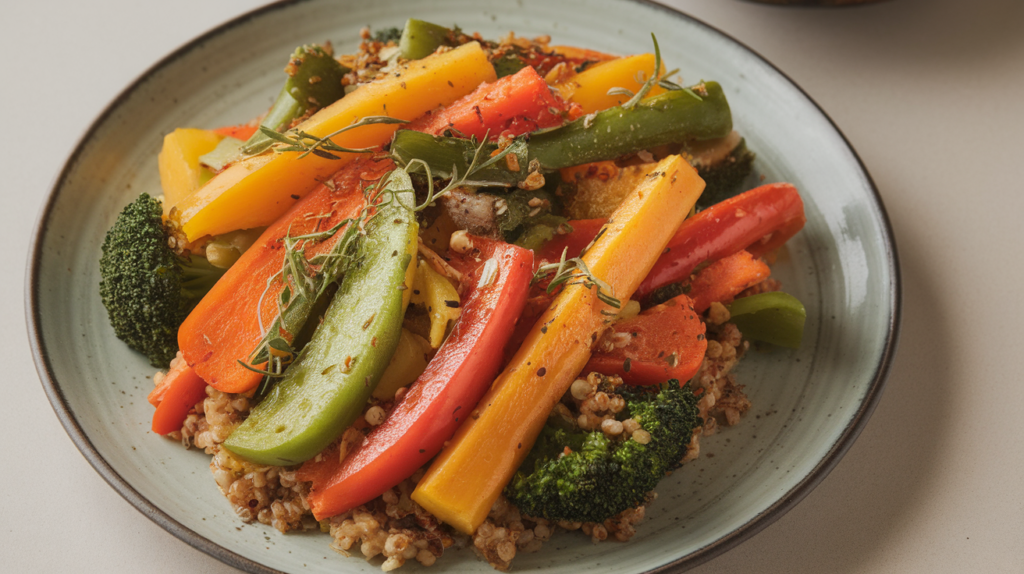
Sunlight remains the most effective method for the body to produce vitamin D. Spending time outdoors for at least 15 to 20 minutes several times a week can significantly enhance your vitamin D levels. Factors such as geographical location, time of year, skin pigmentation, and age can influence the amount of vitamin D synthesized from sun exposure. For those living in less sunny climates or for individuals who may have limited access to sunlight, vitamin D supplementation may be necessary.
Incorporating vitamin D-rich recipes into one’s daily routine can also be beneficial. For instance, enjoying a fortified almond milk smoothie or a serving of UV-exposed mushrooms in a salad can help boost your vitamin D intake. Overall, maintaining adequate levels of vitamin D is paramount for individuals on a plant-based diet, requiring attention to dietary sources, sun exposure, and the potential necessity for supplements. With mindful planning, achieving optimal vitamin D levels is certainly within reach.
Iodine: Supporting Thyroid Function
Iodine is an essential trace element that plays a pivotal role in the functioning of the thyroid gland. This gland is responsible for producing hormones that regulate metabolism, growth, and development, making adequate iodine intake crucial for overall health. In the context of a plant-based diet, individuals may find it challenging to consume sufficient iodine, especially if they rely heavily on foods that are not naturally rich in this vital nutrient.
One of the most reliable plant-based sources of iodine comes from sea vegetables, such as nori, dulse, and kombu. These algae are not only rich in iodine but also provide other beneficial nutrients, enhancing their role in supporting thyroid health. However, the iodine concentration in sea vegetables can vary significantly depending on the type and where they are harvested. Therefore, it’s imperative for individuals adhering to a strict vegan diet to regularly monitor their iodine intake to ensure they meet their nutritional requirements.
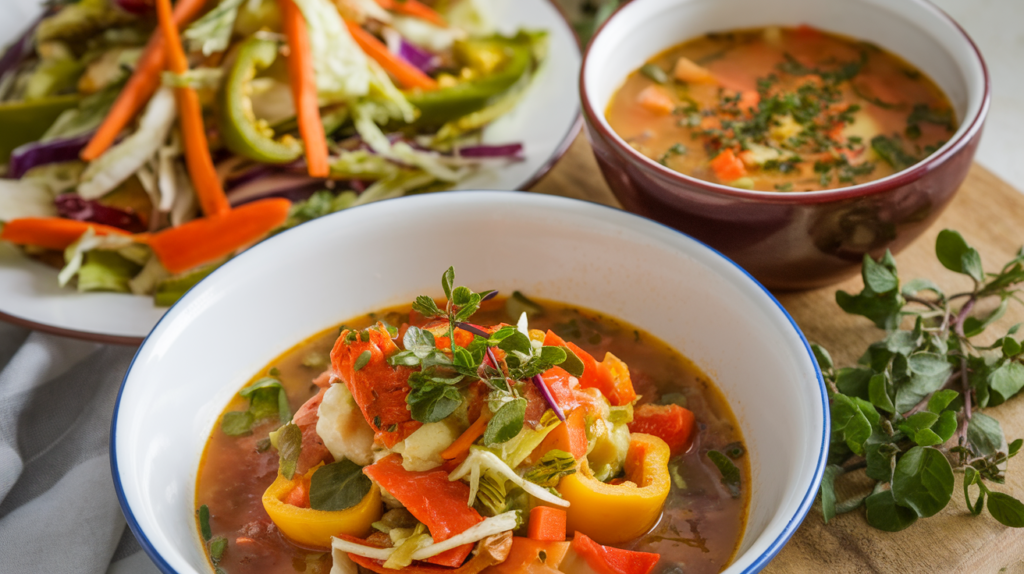
Besides sea vegetables, there are other potential sources of iodine in a plant-based diet, including iodized salt, certain grains, and beans, albeit in lesser amounts. Nonetheless, given that the natural iodine content in plant foods can be inconsistent, it may be challenging to obtain the recommended daily allowance solely from these sources. For strict vegans, the consideration of iodine supplementation may be important to avoid deficiencies that could lead to thyroid dysfunction and other health issues.
In summary, maintaining adequate iodine levels is vital for supporting thyroid function and overall metabolic health. Individuals following a plant-based diet should be vigilant in selecting iodine-rich foods and consider supplementation if necessary, ensuring a balanced approach to their nutritional intake.
Conclusion: Balancing Your Plant-Based Diet
Adopting a plant-based diet can offer numerous health benefits; however, being attentive to specific nutrients is vital for overall wellness. Throughout this discussion, we covered ten key nutrients critical for individuals following this dietary approach. These nutrients include protein, vitamin B12, iron, calcium, omega-3 fatty acids, vitamin D, iodine, zinc, selenium, and fiber. Each of these plays a significant role in maintaining optimal health, and understanding their sources is crucial for proper dietary planning.
To ensure a balanced diet, individuals should incorporate a diverse range of foods. For protein, consider legumes, tofu, and quinoa. To obtain vitamin B12, fortified cereals and nutritional yeast can be very effective. Iron can be sourced from beans, lentils, and dark leafy greens, while calcium is available in fortified plant milks and leafy vegetables. For omega-3 fatty acids, chia seeds, flaxseeds, and walnuts are excellent options. Ensuring sufficient vitamin D can be achieved through sun exposure or fortified foods, while iodine can be found in seaweed and iodized salt. Foods like nuts and seeds can help meet zinc and selenium requirements, respectively, while fruits and vegetables provide essential fiber that aids digestion.
Incorporating a variety of these nutrient-dense foods in daily meals can ensure that individuals on a plant-based diet meet their nutritional needs. Utilizing meal planning resources, such as recipe books and digital ebooks, can also facilitate the transition to a balanced approach. Consequently, individuals are encouraged to explore different combinations of ingredients, experiment with new recipes, and stay informed on nutrition, ensuring that their plant-based journey is both enjoyable and healthful.
Disclaimer:
The content provided in this article is for informational purposes only and should not be considered as professional advice. The information shared here is not intended to replace or substitute any medical or professional dietary recommendations. Always consult with your healthcare provider or a registered dietitian before making any changes to your diet, exercise routine, or health regimen. Your individual health needs may vary, and only a qualified professional can provide personalized guidance based on your specific condition.