
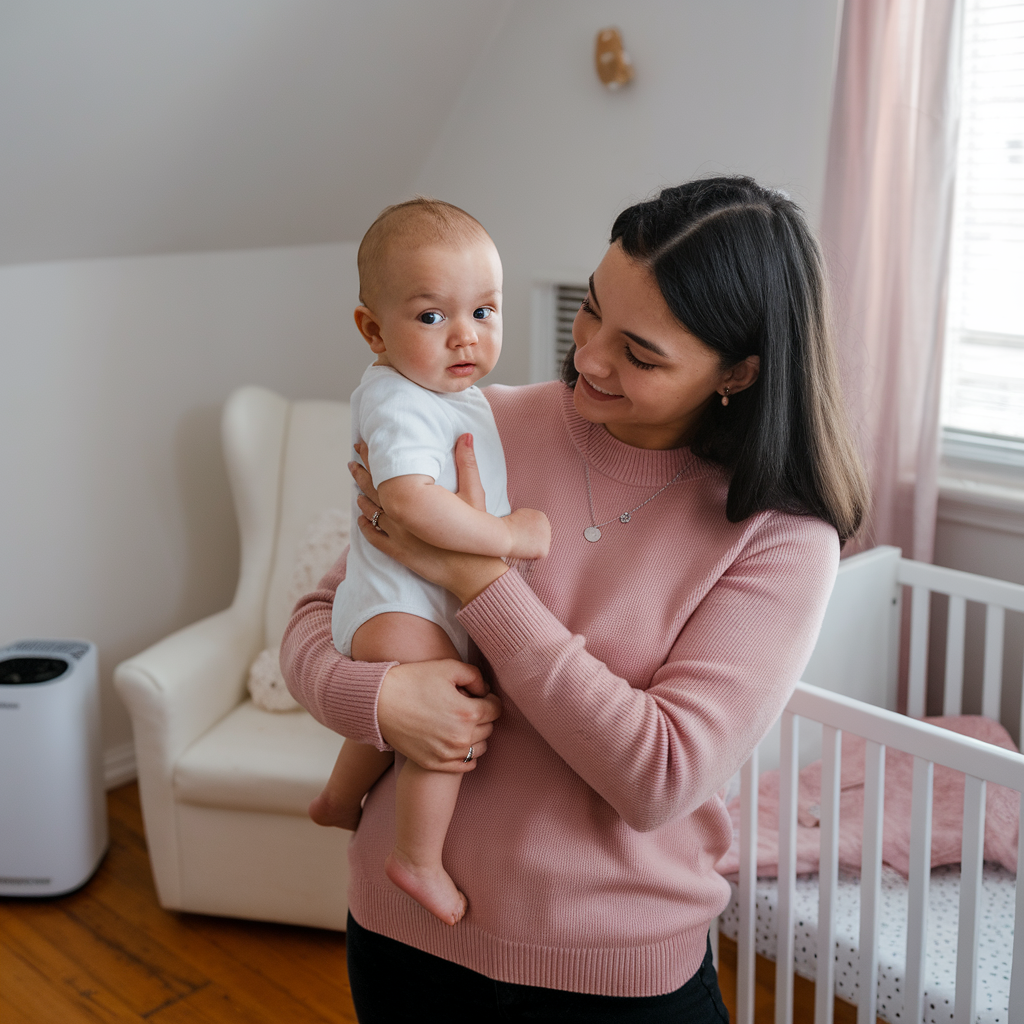
Understanding Humidifiers and Their Importance
Ever noticed how dry air can leave you feeling uncomfortable, with itchy skin or a scratchy throat? That’s where humidifiers come in! These handy devices add moisture to the air, helping to maintain a balanced humidity level in your home—especially in the bedroom. Dry air can cause a host of issues, from irritated sinuses to poor sleep quality. By introducing moisture into your environment, a humidifier can significantly enhance indoor air quality and overall well-being.
When it comes to sleeping conditions, the right humidity level—ideally between 30% and 50%—can make a world of difference. A properly humidified room helps prevent dryness in your throat and nasal passages, reducing snoring and improving sleep quality. It also keeps your skin hydrated, which is particularly beneficial for those dealing with eczema or dry skin.
Beyond comfort, humidifiers offer additional health benefits. They can help protect against colds and flu by maintaining your respiratory system’s natural defenses. Certain models, like ultrasonic and evaporative humidifiers, even help trap airborne allergens such as dust mites, promoting a cleaner, healthier living space.
Integrating a humidifier into your bedroom setup doesn’t just add moisture—it elevates air quality, boosts your mood, and can even enhance productivity. If dry air has been disrupting your comfort and sleep, a humidifier might just be the perfect solution.
Exploring the Different Types of Humidifiers
Not all humidifiers are created equal! There are several types available, each catering to different needs and preferences. Let’s take a look at the most common ones:
- Evaporative Humidifiers: These models use a fan to pull air through a moist filter or wick, causing water to evaporate and increase humidity levels. They’re self-regulating, meaning they automatically adjust moisture output based on the room’s humidity. The downside? They require regular cleaning to prevent mold buildup.
- Ultrasonic Humidifiers: Known for their quiet operation, these devices use high-frequency vibrations to create a fine mist that disperses into the air. They’re energy-efficient and effective for larger spaces. However, using distilled water is recommended to avoid releasing mineral dust into the air.
- Steam Vaporizers: These heat water to produce steam, which is cooled slightly before being released into the air. They’re great for reducing bacteria and germs but tend to use more energy and can pose a burn risk if not handled properly.
- Impeller Humidifiers: These models use a spinning disk to generate a cool mist, making them quieter than evaporative humidifiers. While they’re easy to maintain, they can release mineral particles into the air if used with hard water.
Each type of humidifier comes with its own set of pros and cons. The best choice for you depends on your needs, room size, and maintenance preferences.
Key Factors to Keep in Mind When Choosing a Humidifier
Picking the right humidifier for your bedroom isn’t just about grabbing the first one you see. Here are some essential factors to consider:
- Room Size: Humidifiers come in different capacities, from compact tabletop units to larger models designed for spacious rooms. Choose one that matches your bedroom’s square footage for optimal moisture distribution.
- Humidity Levels: If you live in a particularly dry area, a humidifier may be a must-have. Some models feature built-in hygrometers to monitor humidity levels, ensuring you stay within the recommended 30%-50% range.
- Noise Level: If you’re a light sleeper, an ultra-quiet ultrasonic model might be the way to go. Evaporative and steam-based humidifiers can be noisier, which might not be ideal for nighttime use.
- Maintenance Needs: Regular cleaning is essential to keep your humidifier running smoothly. Some models require frequent filter changes, while others need distilled water to prevent mineral buildup. Features like automatic shut-off and low-water indicators can make upkeep easier.
- Aromatherapy Compatibility: If you enjoy using essential oils, check if your humidifier is designed to accommodate them. Not all models are compatible with scented oils, so be sure to choose one that suits your needs.
By considering these factors, you’ll find a humidifier that fits your lifestyle and creates a cozy, comfortable atmosphere in your bedroom. Ready to breathe easier and sleep better? Choosing the right humidifier is the first step!
Top Humidifiers for Bedrooms: Product Reviews
Choosing the right humidifier for your bedroom is crucial for maintaining optimal humidity levels, which can significantly improve your comfort and overall health. Here, we present detailed reviews of the top humidifiers specifically designed for bedroom use, each offering distinctive features and performance capabilities.
Honeywell HCM-350 Germ-Free Cool Mist Humidifier
This model utilizes UV technology to kill up to 99.9% of germs in the water before dispersing cool mist into the air. With a 1-gallon tank capacity, it can run for up to 24 hours on a single fill. Users appreciate its easy-to-clean design and whisper-quiet operation, making it an ideal choice for nighttime use. Pros include its germ-free output, while cons involve a slightly higher price point compared to other basic models. User ratings average around 4.5 stars.
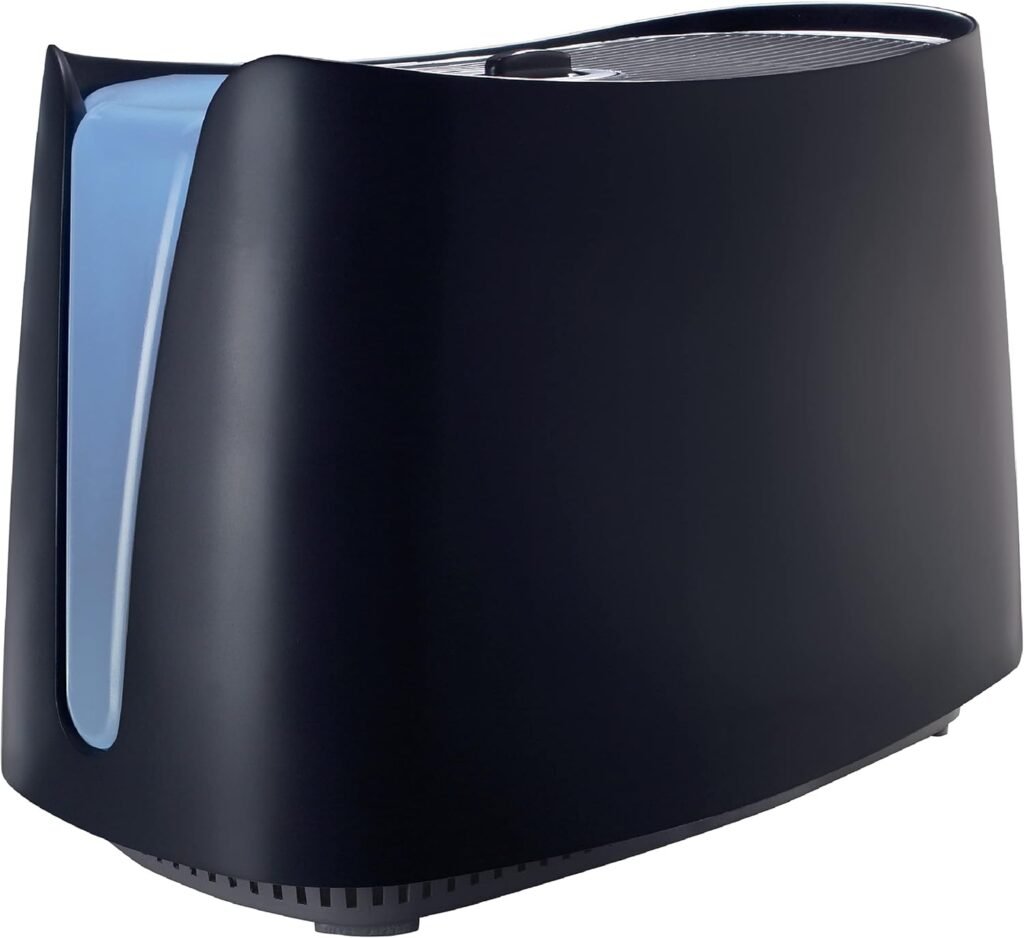
Honeywell HCM350B Germ Free Cool Mist Humidifier, Black
Levoit LV600HH Hybrid Ultrasonic Humidifier
This versatile humidifier offers warm and cool mist options, making it perfect for year-round use. Its remote control and high mist output make it convenient for larger bedrooms. The 6-liter tank allows for prolonged operation, and the built-in humidity sensor helps maintain desired moisture levels. Although some users find the filter replacements a bit costly, its overall performance earns it an impressive 4.7-star rating.
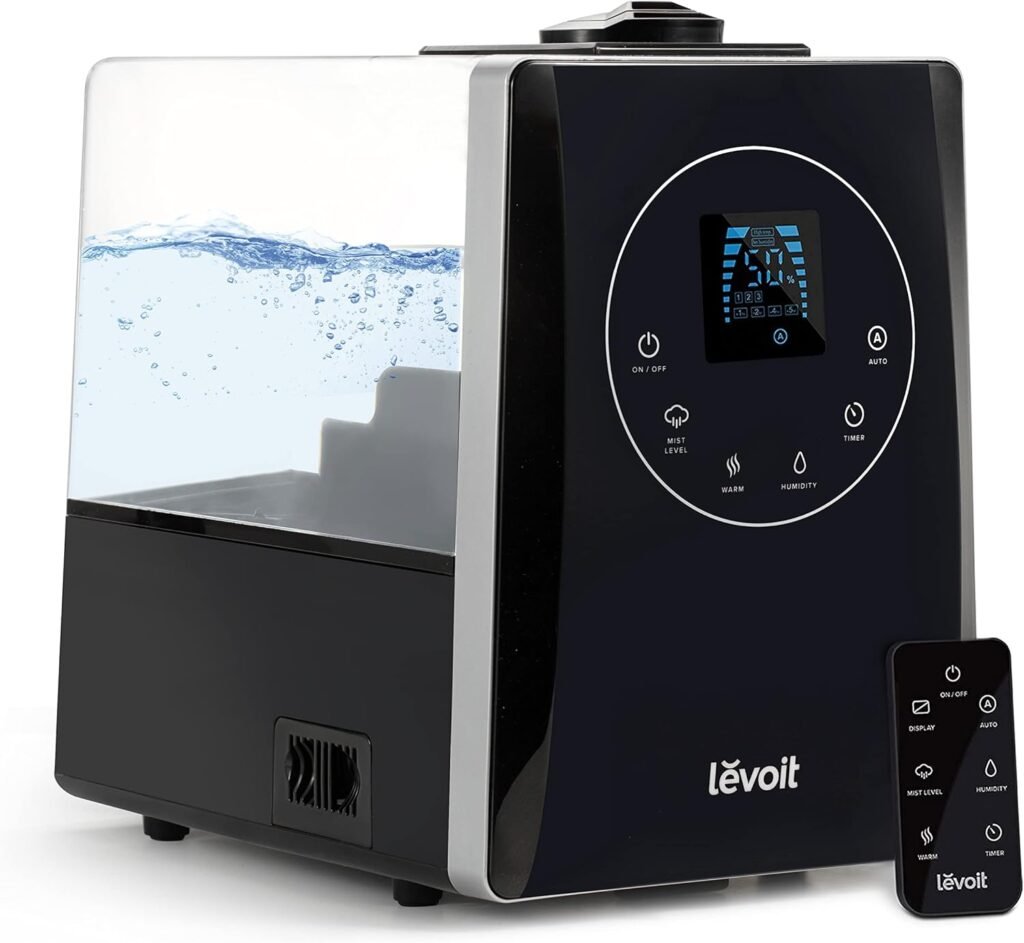
LEVOIT LV600HH 6L Warm and Cool Mist Ultrasonic Humidifier, Rapid Humidification for Bedroom Large room, Humidity Setting with Built-in Sensor, Auto Mode, Timer, Remote Control, Essential Oil Diffuser
Homvana Humidifiers 7 Color Light Ultrasonic
The Homvana Humidifier features a 3.6L capacity, providing up to 34 hours of cool mist for large rooms, offices, or nurseries. Operating quietly at 16dB, it’s perfect for peaceful environments. With a top-fill design, 7 color-changing LED lights, and BPA-free construction, it’s safe and easy to use. Ideal for improving air quality and supporting better sleep, this humidifier also works great for plants.
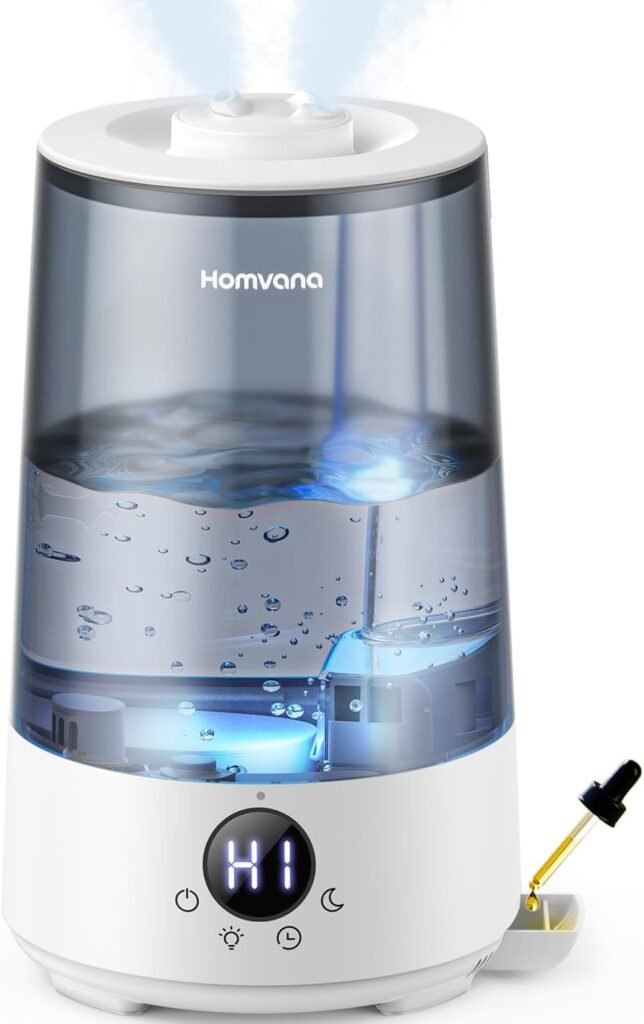
Homvana Humidifiers for Bedroom Home, 3.6L Cool Mist Top-Fill 34H Super Long Time, Quiet 16dB, Baby Humidifier, Oil Diffuser for Large Room, Plants, Nursery, Office BPA FREE, 7 Color Light Ultrasonic
LEVOIT Evaporative Humidifier for Whole House
The LEVOIT Evaporative Humidifier is perfect for large spaces, covering up to 3000ft² with its 22.7L capacity and 72-hour runtime. It features smart control, a top-fill design, and is foldable with wheels for easy mobility. Ideal for maintaining comfortable humidity levels, it includes dry mode and a quiet sleep mode, making it a great choice for any home.
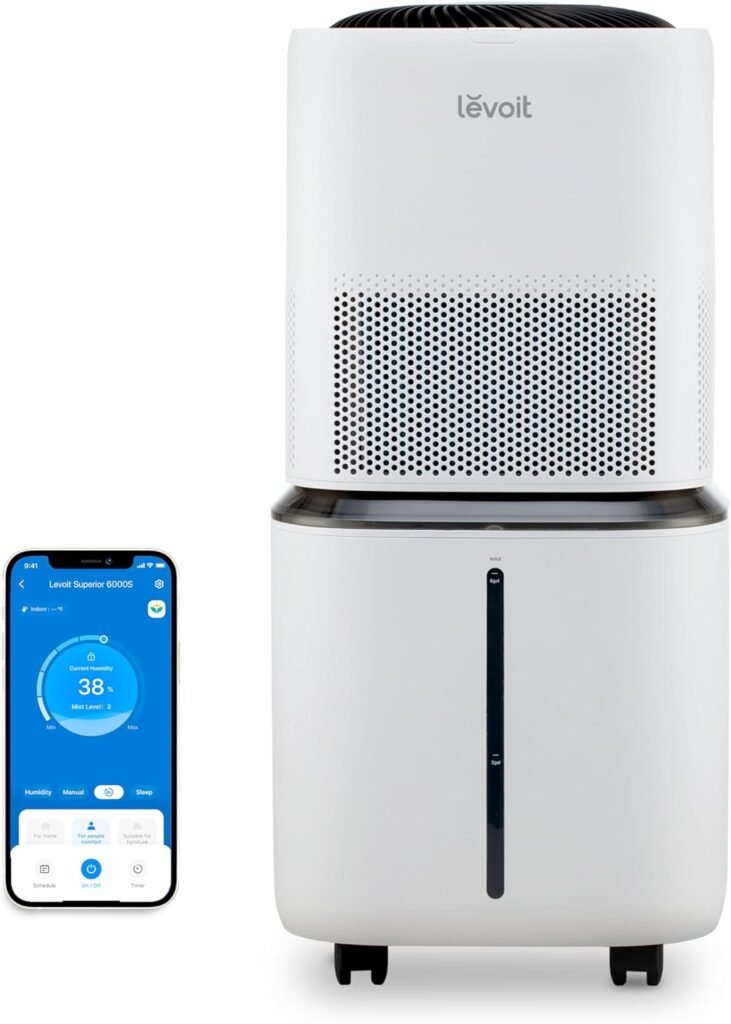
LEVOIT Evaporative Humidifier for Whole House, Covers Up to 3000ft², 22.7L Capacity, 72H Runtime, Smart Control, Top Fill, Foldable with Wheels, Dry Mode & Quiet Sleep Mode
Dyson Purifier Hot+Cool™ HP07 – Air Purifier, Heater, and Fan
The Dyson Purifier Hot+Cool™ HP07 combines intelligent purification, heating, and cooling in one machine. It automatically senses and captures pollutants, projecting clean air throughout the room using Air Multiplier technology. Fully sealed to HEPA H13 standard, it ensures clean air stays inside. Control the fan, cooling, and purification settings with a remote, voice control, or the MyDyson app. Features include a sleep timer, Night mode for quiet operation, and easy filter replacement with notifications. Perfect for year-round comfort and air quality. However, the premium pricing may not appeal to all users, but its functionality and style warrant a respectable 4.3-star rating.
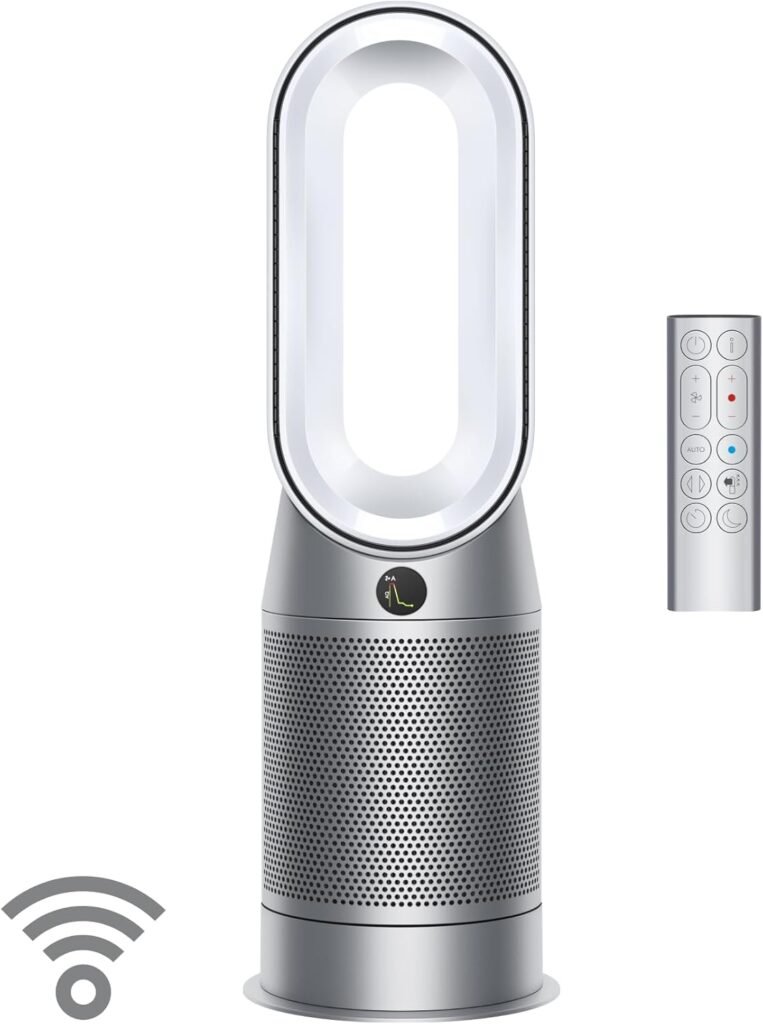
Dyson Purifier Hot+Cool™ HP07 Air Purifier, Heater, and Fan – White/Silver
In summary, the selection of a humidifier should consider various factors such as capacity, features, and operation. The mentioned models cater to differing preferences and needs, making it easier for users to find the best fit for their bedroom environment.
How to Set Up and Use a Humidifier Effectively
Setting up and using a humidifier in your bedroom can significantly improve indoor air quality and enhance comfort. To maximize the benefits of this device, follow these key guidelines for optimal placement, filling techniques, and usage.
Placement Matters: Position your humidifier on a flat surface at least a few feet away from walls and furniture to allow for adequate air circulation. Placing it near the center of the room promotes even moisture distribution. Avoid areas with direct sunlight or drafts, as they can affect performance.
Proper Filling Techniques: Always follow the manufacturer’s instructions when filling your humidifier. Using distilled or demineralized water helps prevent mineral buildup and reduces white dust accumulation. Regular cleaning is essential to prevent mold and bacteria growth.
Monitoring Humidity Levels: Maintaining a relative humidity of 30%-50% is ideal for comfort and health. A hygrometer can help track humidity levels, ensuring they remain within the recommended range.
Safety Precautions: Ensure your humidifier has safety features like automatic shutoff. Keep electrical cords away from water, and never leave the unit running unattended for extended periods.
By following these practical tips, you can effectively set up and use a humidifier in your bedroom, creating a comfortable sleep environment while promoting better health.
Maintenance Tips for Humidifiers
Proper maintenance is essential to ensure your humidifier remains efficient and lasts longer. Regular cleaning helps prevent mold, bacteria, and mineral buildup, which can compromise performance. Clean your humidifier at least once a week. Begin by unplugging the unit and disassembling it according to the manufacturer’s instructions. Use a mixture of water and white vinegar to scrub the water tank and base, removing any mineral deposits, especially in areas where water can stagnate.
If your humidifier has filters, make sure to check them regularly. Depending on how often you use your humidifier and the quality of the water, filters may need to be replaced periodically. Refer to the user manual for guidance on filter care and replacement. Clean filters not only improve air quality but also enhance the humidifier’s overall performance.
Be proactive in troubleshooting common issues like unusual noises, leaks, or reduced mist output. These could indicate a clogged filter, improper assembly, or the need for a more thorough cleaning. Regular inspections help catch these issues early, preventing them from turning into bigger problems.
By following these maintenance tips, you can keep your humidifier in top condition, providing optimal humidity for your bedroom. Consistent upkeep enhances efficiency, improves air quality, and supports a healthier indoor environment.
Benefits of Using a Humidifier in Your Bedroom
A humidifier in the bedroom can offer significant health and comfort benefits, improving your sleep experience. One major advantage is its ability to relieve dry skin. In dry environments, skin can become flaky and itchy. A humidifier adds moisture to the air, helping to keep your skin hydrated and reducing dryness-related discomfort.
Humidifiers also help reduce allergy symptoms. Dry air can irritate the nasal passages and throat, worsening allergic reactions and respiratory conditions. Adding moisture helps soothe the airways, which may reduce sneezing, coughing, and post-nasal drip. For people with asthma or other respiratory conditions, improved airflow can make breathing easier.
Additionally, the right humidity promotes better sleep. Moist air supports respiratory function, aiding the body’s recovery overnight. Humidifiers also reduce congestion, leading to fewer sleep disruptions. As a result, you may experience improved mood and cognitive function the next day.
Finally, using a humidifier can alleviate symptoms of colds and flu. By keeping the nasal passages moist, it makes breathing easier and reduces throat irritation, offering comfort and supporting overall health as you rest.
Potential Drawbacks and Risks of Humidifiers
While humidifiers offer significant benefits for indoor air quality, especially in the bedroom, it’s important to be aware of the potential drawbacks and risks involved in their use. One of the main concerns is over-humidification, where the humidity level exceeds the recommended range. Excess moisture in the air can lead to a variety of problems, including mold growth, an increase in dust mites, and potential damage to your home’s structure. The ideal indoor humidity level is generally between 30% and 50%. Therefore, it’s crucial to monitor humidity levels when using a humidifier to avoid these issues.
Another key risk is the cleanliness of the humidifier itself. If it’s not cleaned and maintained properly, a humidifier can become a breeding ground for mold and bacteria, which may then be spread into the air. This can worsen respiratory problems or trigger allergies in sensitive individuals. To reduce these risks, it’s recommended to clean your humidifier regularly and replace the water frequently. Additionally, using distilled or demineralized water rather than tap water can help prevent mineral buildup, which may also reduce the growth of harmful bacteria.
Using tap water in humidifiers can also lead to health concerns. Tap water often contains impurities and minerals, which can be released into the air as a fine white dust. Breathing in these particles can irritate the lungs, particularly for children or individuals with respiratory conditions. To ensure safe use, it’s best to follow the manufacturer’s guidelines and stick to the recommended maintenance practices. By taking these precautions, you can enjoy the benefits of a humidifier while maintaining a healthier indoor environment.
Conclusion: Choosing the Right Humidifier for Your Needs
When it comes to creating the most comfortable sleep environment, selecting the right humidifier is crucial. Throughout this guide, we’ve discussed various types of humidifiers—ultrasonic, evaporative, steam vaporizers, and more—each offering distinct features and benefits. Understanding these options helps you choose the humidifier that best fits your personal preferences and specific indoor conditions.
Key factors like room size, humidity levels, maintenance needs, and noise levels play an important role in making this decision. For example, if you prefer a quiet atmosphere, an ultrasonic humidifier might be ideal, while those who prioritize simplicity might prefer evaporative models. Additionally, individuals with specific health concerns may choose a humidifier designed to reduce allergens or improve air quality.
It’s also important to consider local climate conditions and existing humidity levels in your area. If you live in a particularly dry climate, a model with a larger water tank or higher output capacity may be more suitable. On the other hand, in regions with higher humidity, you might want a humidifier with adjustable settings to avoid excess moisture.
Ultimately, the key to selecting the right humidifier is understanding both the features of the device and the unique needs of your lifestyle. Factors like your budget, aesthetic preferences, and willingness to perform regular maintenance will also influence your choice. By carefully evaluating these aspects, you can make an informed decision that ensures improved air quality and a more comfortable sleeping environment. Taking the time to choose the right humidifier will lead to a healthier, more restful sleep for you.