
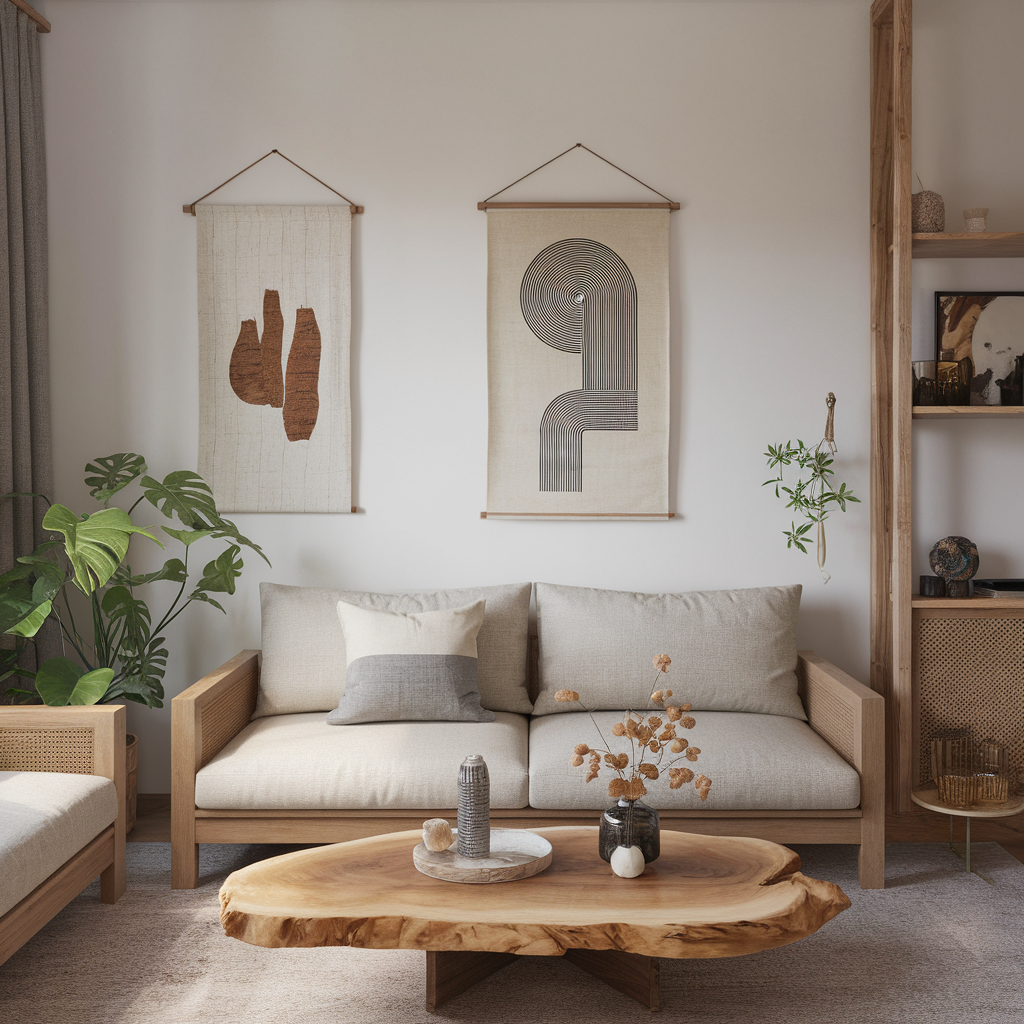
The Beauty of Imperfection
Imagine walking into a home that feels effortlessly calming—where nothing is overly polished, yet everything has a quiet kind of beauty. A handmade ceramic bowl with an uneven edge, a wooden table worn soft by time, the gentle play of natural light on textured walls. This is the essence of Wabi-Sabi, a Japanese philosophy that finds beauty in imperfection, impermanence, and simplicity.
Unlike modern decor trends that chase perfection—flawless finishes, symmetrical designs, and pristine surfaces—Wabi-Sabi embraces the opposite. It reminds us that cracks, wrinkles, and weathered textures tell a story. It’s about appreciating things as they are rather than how we think they should be.
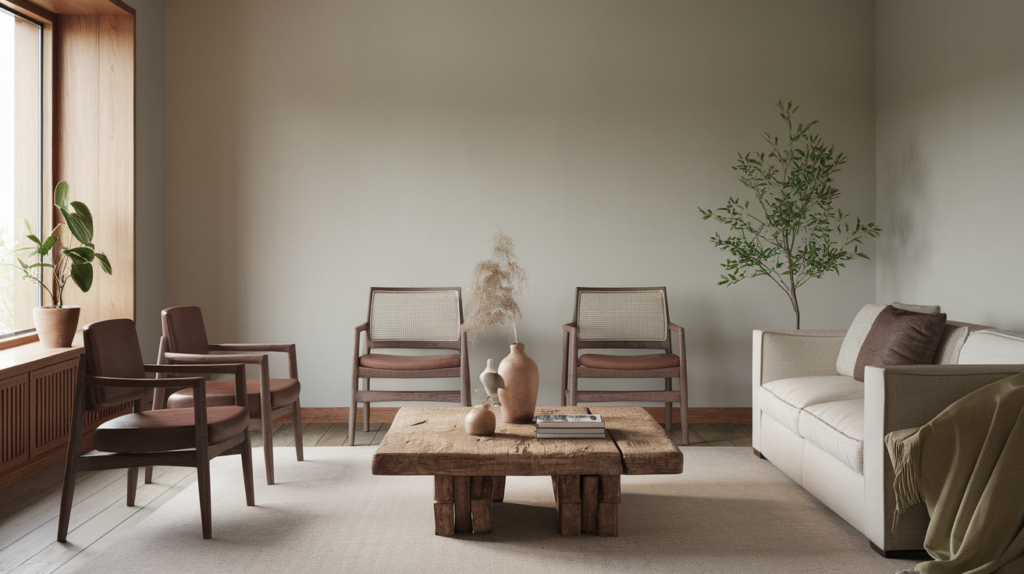
Bringing Wabi-Sabi into your home means creating a space that feels warm, lived-in, and deeply personal. It’s not about tossing everything out in pursuit of minimalism, but rather curating a home that reflects authenticity and tranquility. In a world that often feels rushed and overwhelming, Wabi-Sabi invites us to slow down and find beauty in the imperfect and the ordinary.
So, how can you infuse this philosophy into your own home? Let’s dive in.
What is Wabi-Sabi? The Philosophy Behind the Aesthetic
At its core, Wabi-Sabi is more than just a design trend—it’s a way of seeing the world. Rooted in Zen Buddhism and traditional Japanese tea ceremonies, this philosophy teaches us to embrace the imperfect, the aged, and the fleeting nature of all things.
The term itself is a combination of two words:
“Wabi” refers to a sense of rustic simplicity and humility, finding beauty in the understated and unpolished. Think of a handmade clay cup—slightly uneven, yet uniquely beautiful.
“Sabi” is all about the beauty of aging, the charm of weathered textures, and the grace of impermanence. It’s why an old wooden table, worn smooth by years of use, feels so inviting.
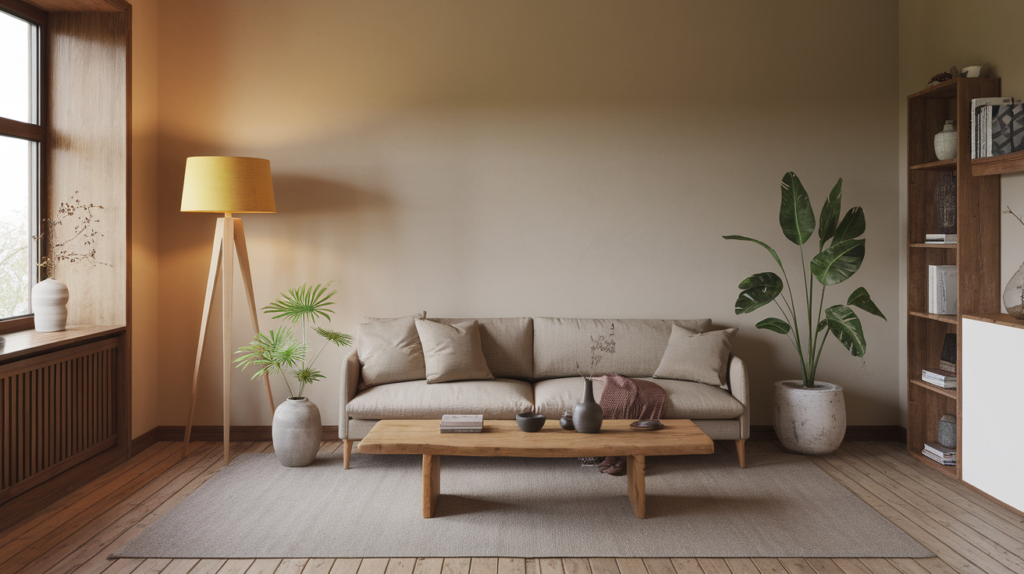
Unlike modern culture, which often chases perfection—sleek, flawless interiors, mass-produced furniture, and the latest trends—Wabi-Sabi encourages us to slow down and appreciate things as they naturally are. A chipped bowl isn’t something to throw away; it’s something to cherish because it has a story. A faded linen curtain doesn’t need replacing; its softness adds character to a space.
By embracing Wabi-Sabi, we move away from the pressure of keeping up with consumerism and instead create homes that feel real—spaces that evolve with us, filled with items that hold meaning, not just aesthetic appeal. It’s a gentle reminder that life itself is imperfect, always changing, and that’s exactly what makes it beautiful.
Core Principles of Wabi-Sabi Decor
Wabi-Sabi isn’t about achieving a perfectly styled home—it’s about creating a space that feels authentic, warm, and effortlessly beautiful. Instead of hiding imperfections, you celebrate them. Instead of chasing trends, you embrace what feels right for you. Let’s break down the key elements of this aesthetic:
Imperfection: The Beauty of Flaws
In a world obsessed with perfection, Wabi-Sabi reminds us that flaws make things special. A cracked ceramic bowl, an unevenly woven textile, or a slightly crooked wooden shelf—these aren’t things to be “fixed.” They add soul and character to a space.
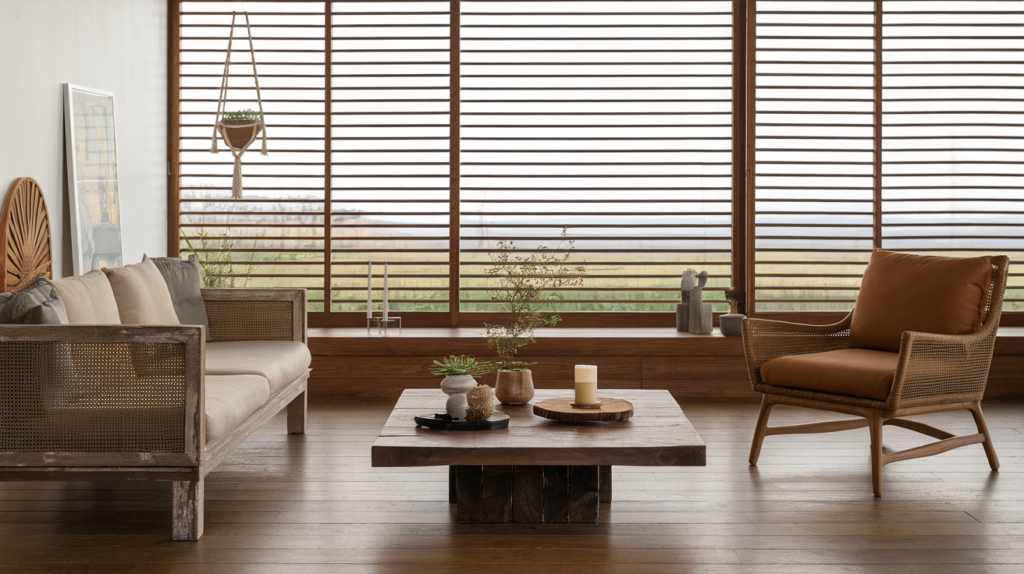
Simplicity: Less, But Meaningful
Wabi-Sabi isn’t cluttered, but it’s also not sterile. It’s about intentional minimalism—keeping only what you truly love and use. The goal isn’t to strip everything away but to create a space that feels calm, cozy, and unforced.
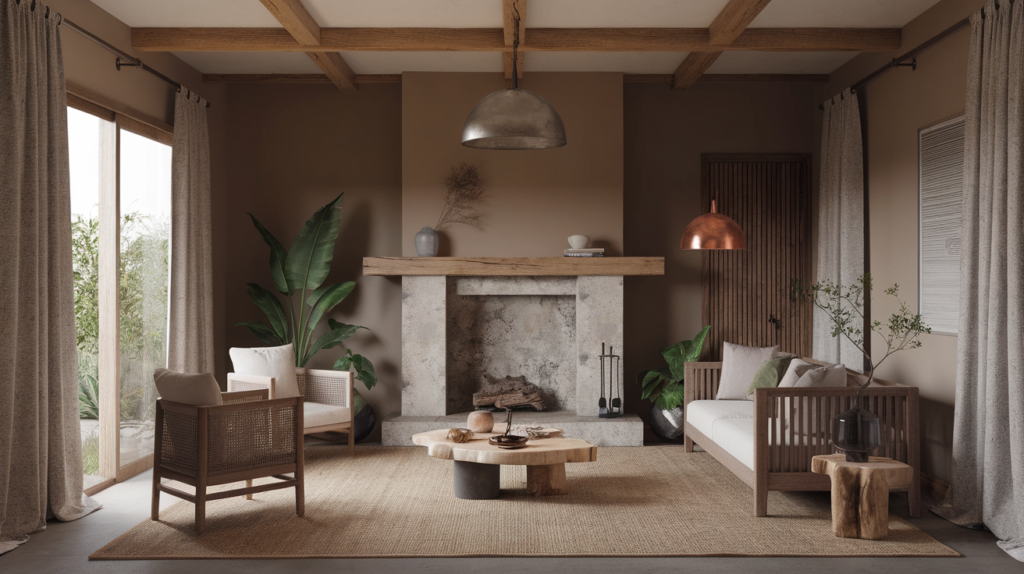
Natural Materials: A Connection to the Earth
Forget plastic and synthetic finishes—Wabi-Sabi thrives on organic materials like wood, stone, linen, clay, and aged metals. These elements bring warmth and texture into your home, making it feel grounded and connected to nature.
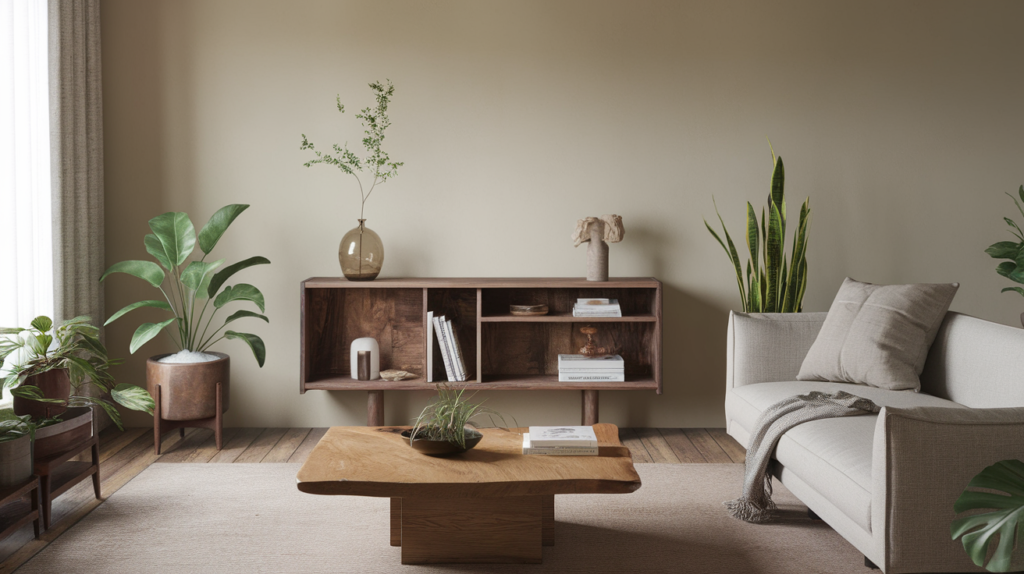
Aged & Weathered Beauty: The Charm of Time
A rusted metal tray, a sun-faded rug, a wooden table softened by years of use—Wabi-Sabi finds beauty in the marks of time. Instead of replacing things as they wear, it encourages you to embrace their evolving charm.
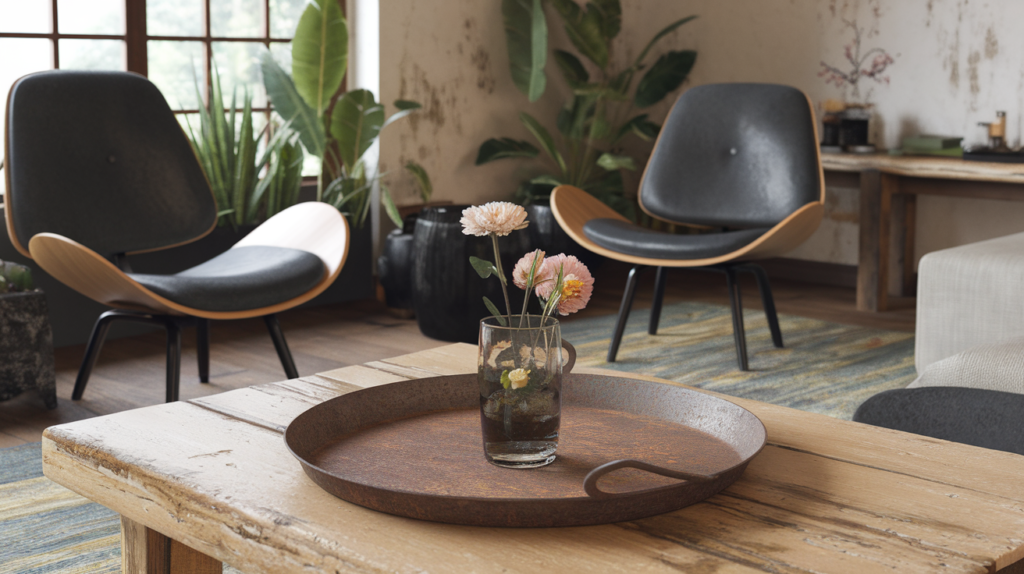
Organic Shapes & Asymmetry: Breaking the Mold
Mass-produced, perfectly symmetrical decor can feel rigid. Wabi-Sabi invites you to explore organic forms—handmade pottery, uneven edges, and imperfectly stacked books. These little irregularities make a space feel alive and personal.
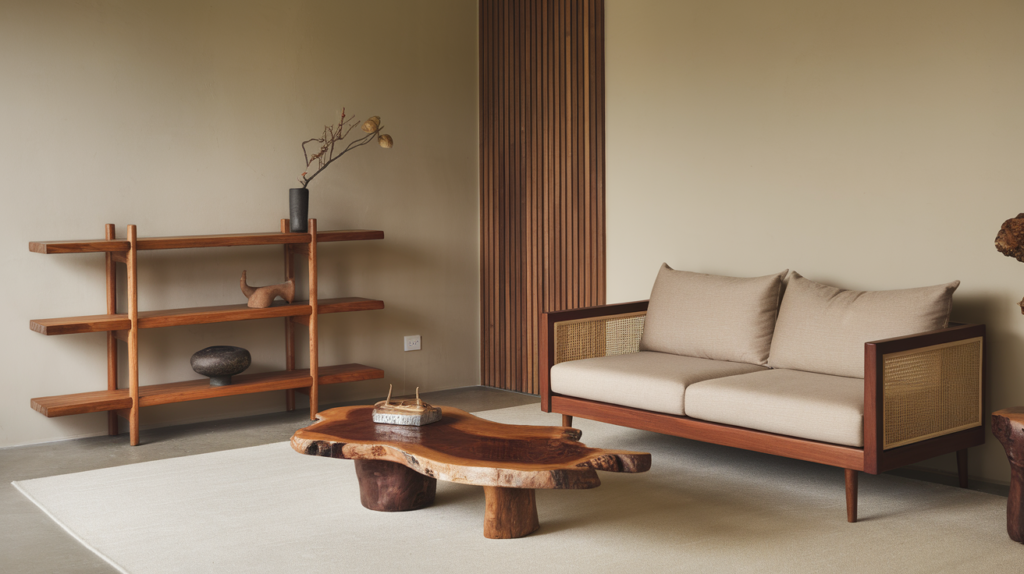
Mindfulness & Tranquility: A Home That Feels Like a Deep Breath
At its heart, Wabi-Sabi is about creating a home that nurtures you. Soft lighting, open spaces, and natural textures work together to foster a sense of peace. It’s not just about how your home looks—it’s about how it makes you feel.
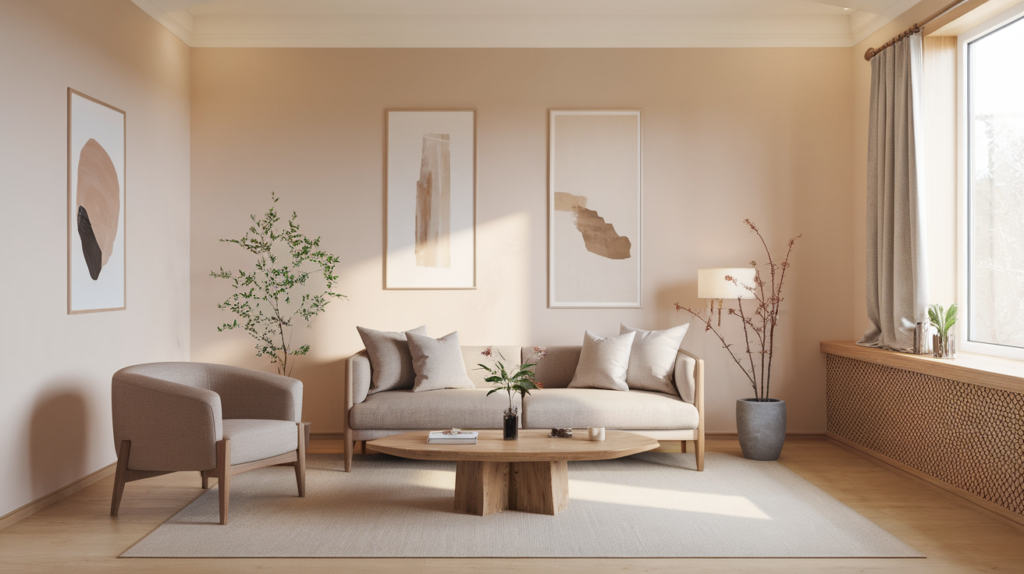
By weaving these principles into your space, you’ll create a home that isn’t just stylish but deeply comforting—a place where imperfection is not just accepted, but celebrated.
How to Bring Wabi-Sabi into Your Home
Transforming your space with Wabi-Sabi doesn’t mean overhauling your entire home. Instead, it’s about small, intentional shifts—choosing decor that feels meaningful, embracing the beauty of natural aging, and creating an atmosphere of calm. Here’s how you can weave Wabi-Sabi into your space:
A. Declutter with Intention
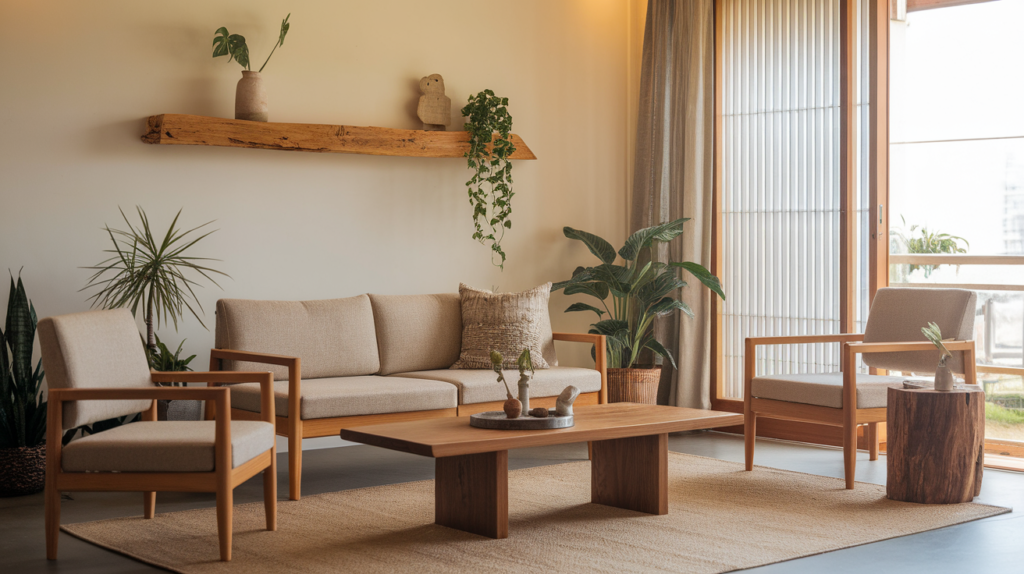
Wabi-Sabi isn’t about having an empty, ultra-minimalist home—it’s about curating what truly matters. Let go of things that feel excessive, but don’t strip your space of warmth. Keep objects that tell a story, whether it’s a handmade mug you drink from every morning or a vintage wooden chair passed down through generations. Quality over quantity is key.
B. Choose Natural & Handmade Elements
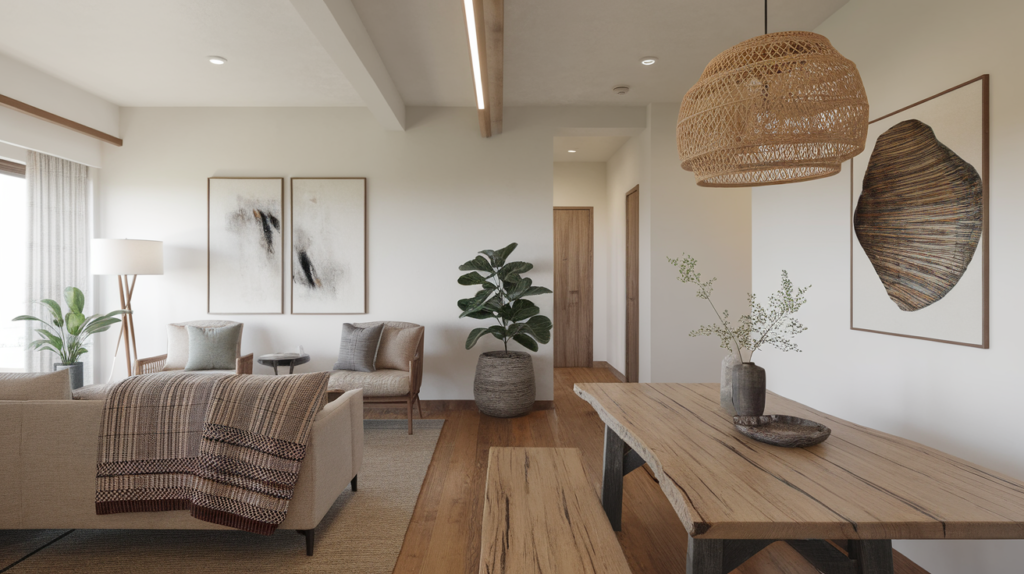
There’s something special about handmade and organic materials—they carry a sense of life and authenticity. Swap mass-produced decor for pieces made from wood, stone, clay, and linen. A handwoven blanket, an uneven ceramic bowl, or a wooden dining table with visible grain patterns will instantly add warmth and character to your space.
C. Embrace the Beauty of Wear & Aging
In most design styles, aged or worn-out items get replaced—but in Wabi-Sabi, they’re cherished. Scratches, cracks, and patina tell a story. Instead of tossing out an old table because it’s scratched, appreciate it for its history. A slightly chipped vase? Still beautiful. A sun-faded curtain? Even better. Wabi-Sabi is all about finding charm in the imperfect.
D. Incorporate Organic Shapes & Earthy Colors
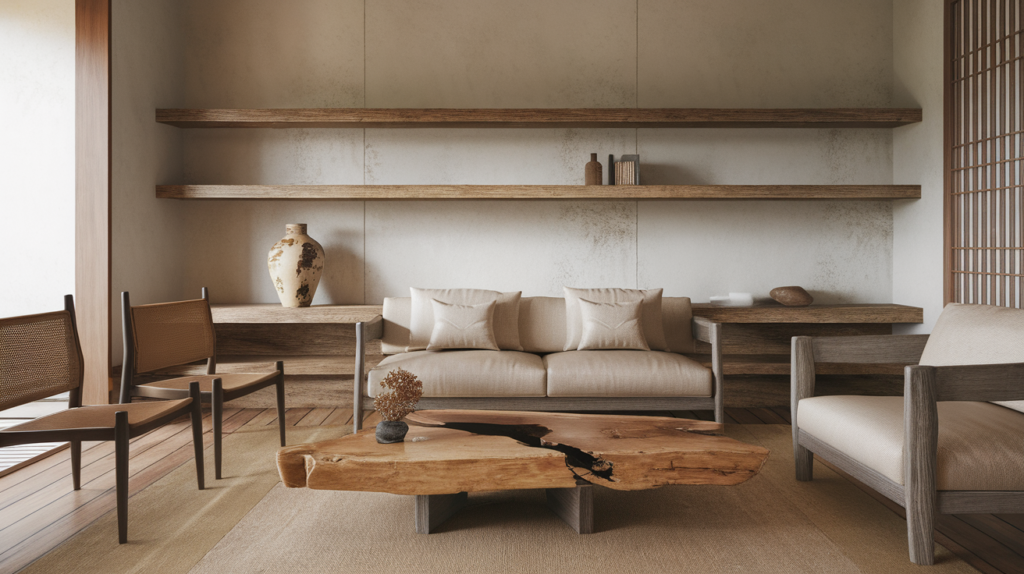
Say goodbye to overly sleek, polished designs and embrace the beauty of imperfect, natural forms. Rounded edges, asymmetrical furniture, and uneven textures feel more organic and inviting. As for colors, stick to earthy tones—beige, taupe, soft greens, deep browns. These hues create a grounded, calming atmosphere, unlike bold, high-contrast palettes.
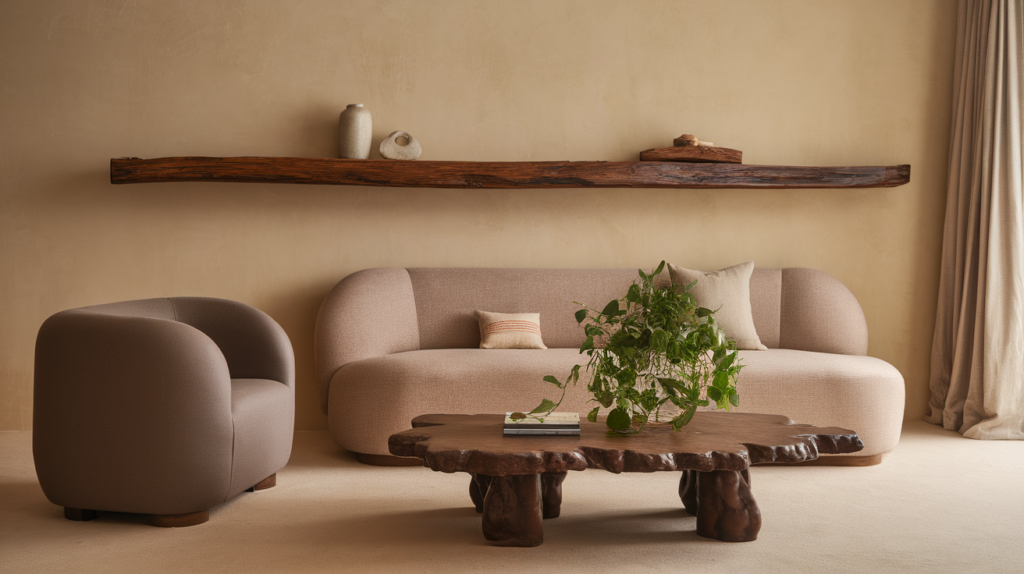
E. Add Simple & Meaningful Decor
Instead of filling your space with trendy decor, choose a few intentional pieces that bring you joy. A handmade bowl, a rustic wooden bench, or a single ceramic vase can make a statement on their own. The key is to surround yourself with objects that hold meaning—items that feel personal rather than just decorative.
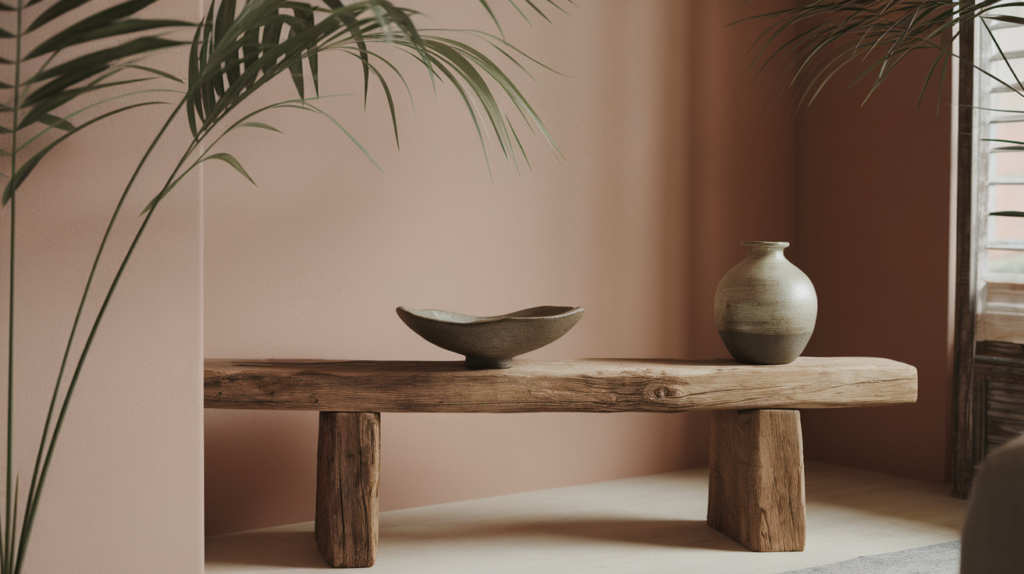
F. Create a Space for Stillness & Reflection
Your home should be a place where you can breathe, pause, and feel at peace. Carve out a small sanctuary—a cozy reading nook, a sunlit window seat, or even a simple corner with a floor cushion. Use soft, natural lighting (candles, warm-toned bulbs, or diffused sunlight) to create a relaxing ambiance.
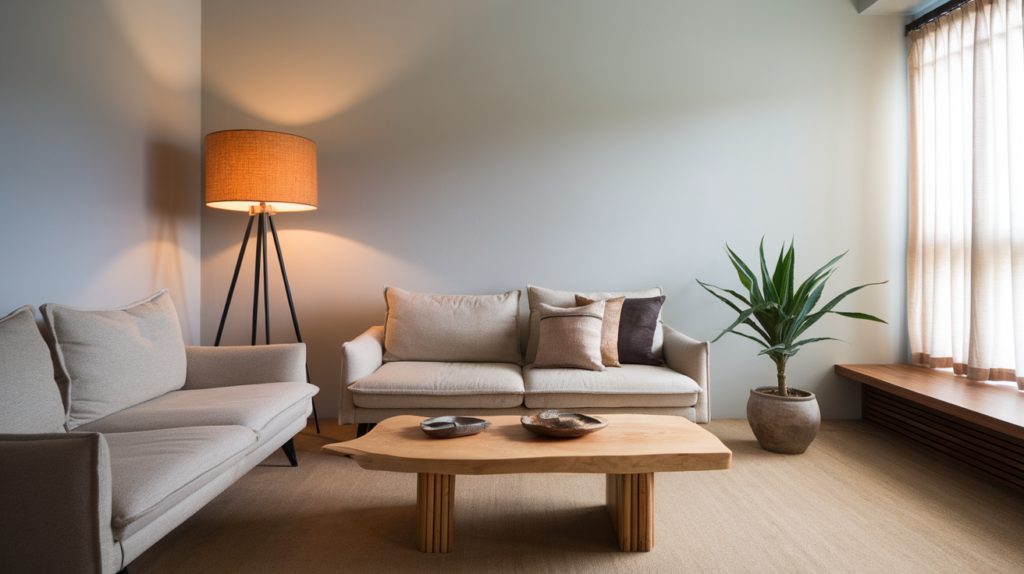
By incorporating these elements, you’ll create a home that feels lived-in, warm, and deeply comforting—a space that welcomes imperfection and celebrates authenticity.
The Emotional & Psychological Benefits of Wabi-Sabi Decor
Wabi-Sabi isn’t just about how your home looks—it’s about how it feels. In a world that constantly pushes us toward perfection, this philosophy invites us to slow down, let go of unrealistic expectations, and truly enjoy the present moment. Here’s how embracing Wabi-Sabi in your home can have a powerful effect on your well-being:
Encourages Mindfulness & Presence
When you stop chasing perfection in your home, something shifts—you start appreciating things as they are. The sunlight hitting a textured wall, the slight creak of an old wooden floor, the comforting softness of a well-worn linen throw. Wabi-Sabi teaches you to notice and savor these everyday moments, making your home a place of mindfulness.
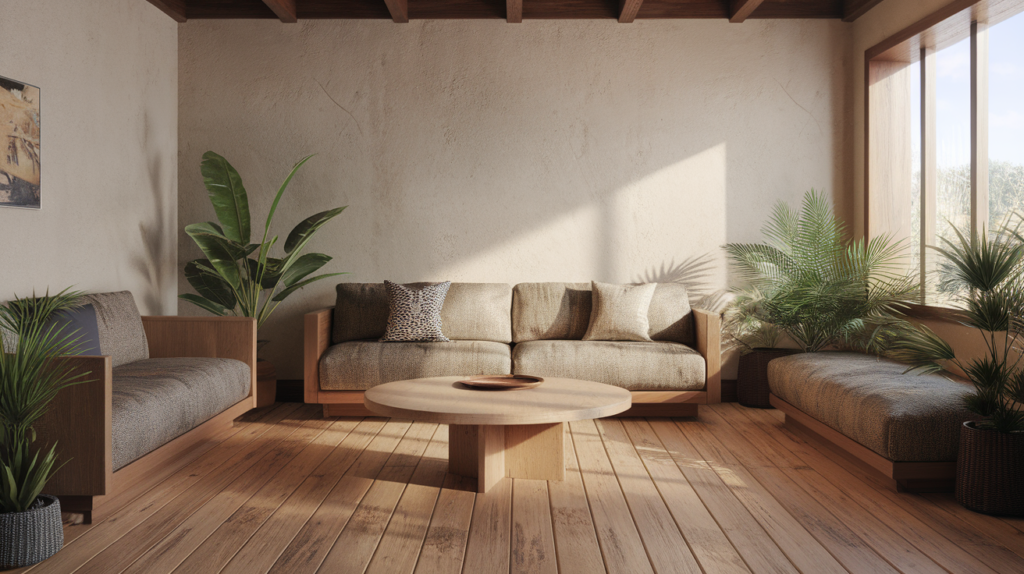
Reduces Stress by Letting Go of “Perfect”
We live in a world of Pinterest-perfect homes, where every throw pillow is perfectly fluffed, and every surface is spotless. But let’s be real—that’s exhausting. Wabi-Sabi reminds us that imperfection is not just okay—it’s beautiful. When you stop worrying about every little scratch or mess, your home becomes a place of ease rather than pressure.
Creates a Nurturing & Peaceful Environment
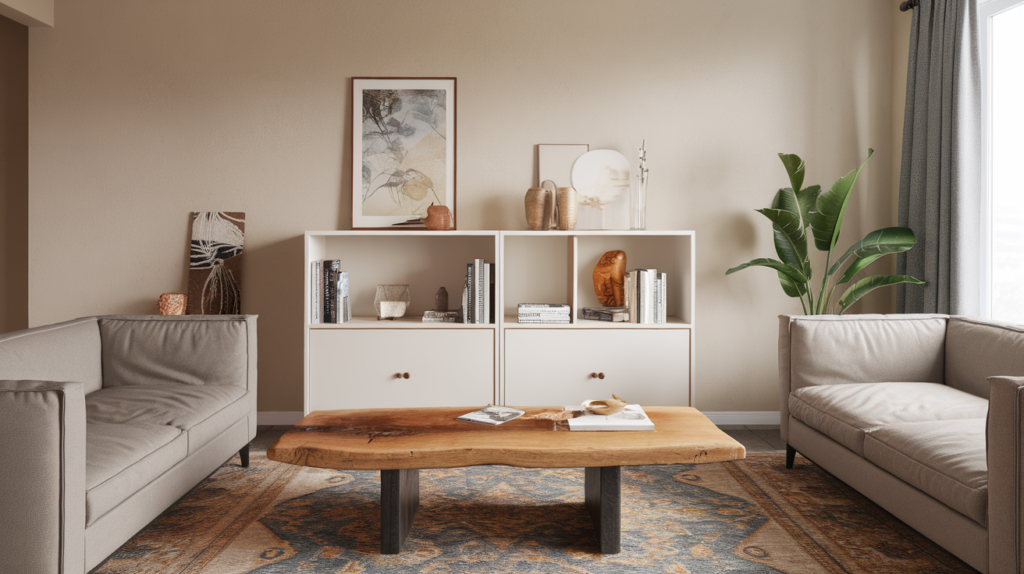
A home filled with natural materials, soft lighting, and meaningful objects has a different energy—it feels soothing, warm, and inviting. Wabi-Sabi-inspired spaces encourage relaxation, making it easier to unwind after a long day. Instead of feeling like a showroom, your home becomes a true sanctuary.
Deepens Your Connection to Nature & Authenticity
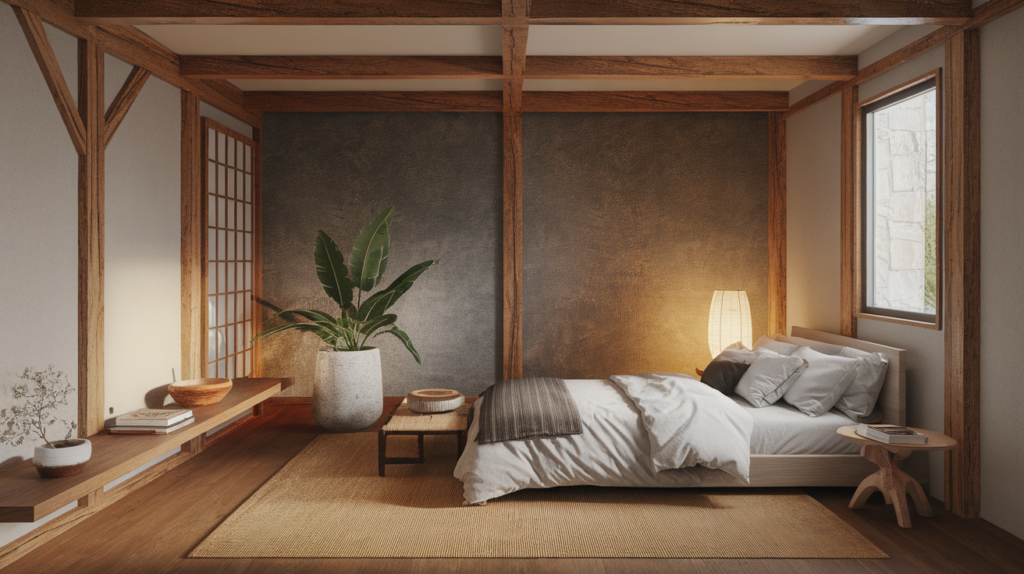
By choosing materials like wood, clay, linen, and stone, you bring the outdoors inside, creating a home that feels grounded and organic. Plus, surrounding yourself with handcrafted or aged objects fosters a sense of authenticity—your space tells a story, reflecting who you are rather than following fleeting trends.
At the heart of it, Wabi-Sabi isn’t just a design choice—it’s a lifestyle shift. It encourages you to embrace the imperfect, cherish the simple, and find beauty in the everyday. And when your home reflects this philosophy, you’ll start to feel it in your mind and soul, too.
Wabi-Sabi vs. Minimalism: Key Differences
At first glance, Wabi-Sabi and minimalism might seem similar—both value simplicity, both encourage intentionality. But where minimalism leans toward sleek, clean, and highly curated spaces, Wabi-Sabi is softer, more organic, and unapologetically imperfect.
Minimalism: Order & Simplicity
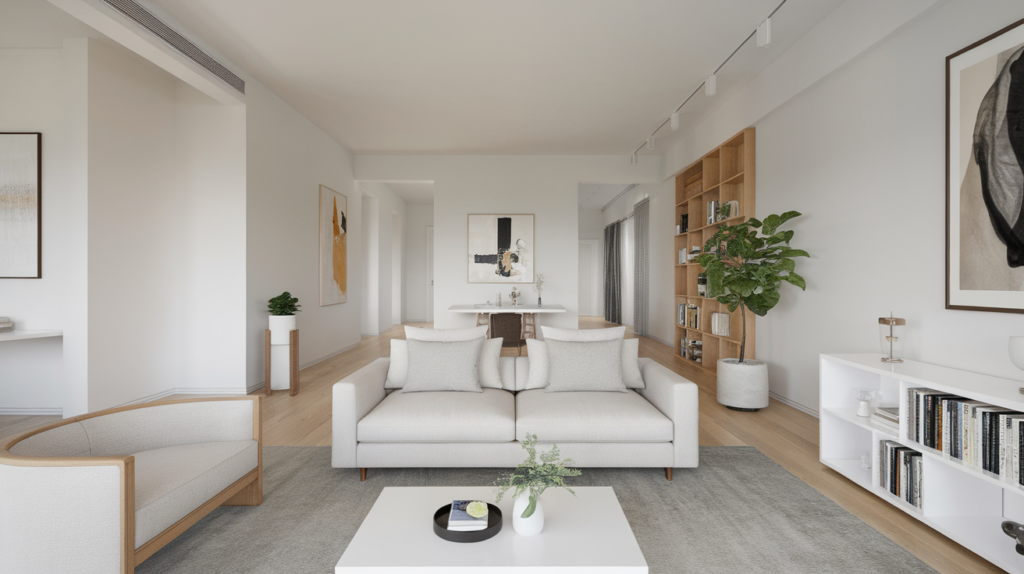
Minimalism is about decluttering, clean lines, and removing excess. Everything has a purpose, and there’s a strong emphasis on open space and symmetry. Think all-white walls, neatly arranged furniture, and a “less is more” mentality.
Wabi-Sabi: Warmth & Imperfection
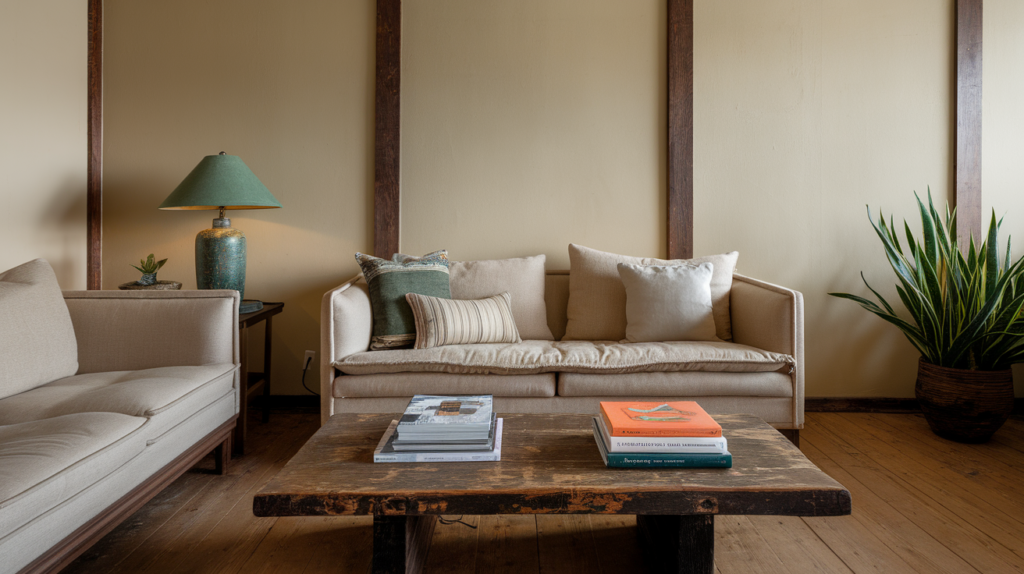
Wabi-Sabi, on the other hand, is less about order and more about character. A slightly messy stack of books, a table with scratches and dents, or a wrinkled linen duvet—these things are embraced, not corrected. Wabi-Sabi says, “Life isn’t perfect, and neither is your home—and that’s okay.”
The Key Difference? Feeling vs. Aesthetic
Minimalism aims for visual simplicity, while Wabi-Sabi focuses on emotional warmth. A minimalist home might look pristine, but a Wabi-Sabi home feels lived-in, cozy, and deeply personal. One isn’t better than the other—it just depends on what kind of space makes you feel most at ease.
So, if you love the idea of simplicity but also crave warmth, texture, and a little bit of beautiful imperfection, Wabi-Sabi might be exactly what your home (and soul) needs.
Final thoughts
At its heart, Wabi-Sabi is all about embracing life as it is—imperfections, flaws, and all. It’s a celebration of simplicity, authenticity, and the beauty that comes with age and wear. Wabi-Sabi teaches us that perfection isn’t the goal; instead, it’s the uniqueness of each moment, each object, and each story that makes life—and our homes—beautiful.
If you’re thinking of incorporating this philosophy into your space, don’t feel the need to overhaul everything at once. Start small—maybe by repurposing an old item you’ve been holding onto or adding some natural textures like a linen throw or a rustic wooden piece. It’s not about having a perfectly “Wabi-Sabi” home; it’s about gradually creating a space that feels genuine and comforting.
Remember, true beauty is found in the imperfect and the ever-changing. So let go of the need for flawless design and start appreciating the little things—those worn-in spots, the objects that carry memories, the soft and natural textures that make your home feel like you.
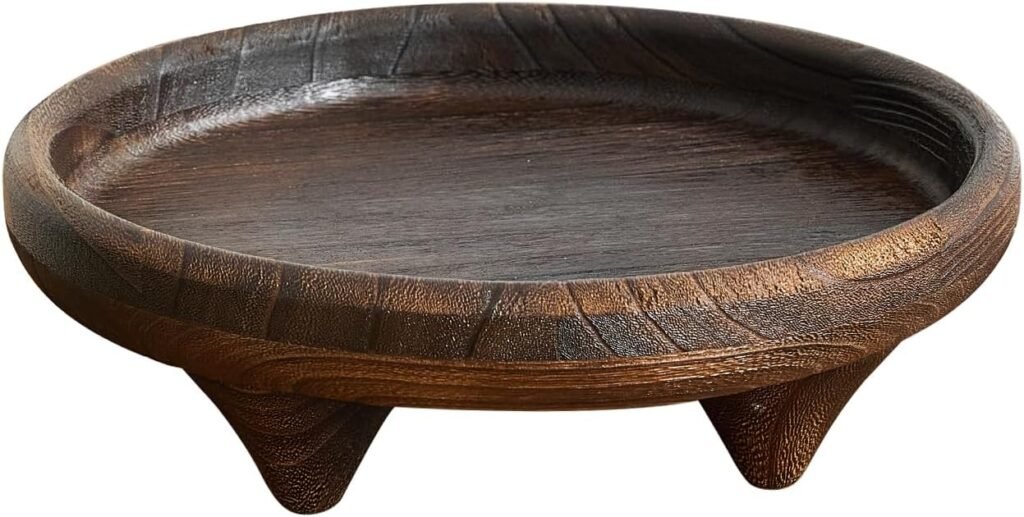
Wabi Sabi Decor Round Wood Footed Serving Tray (Brown)
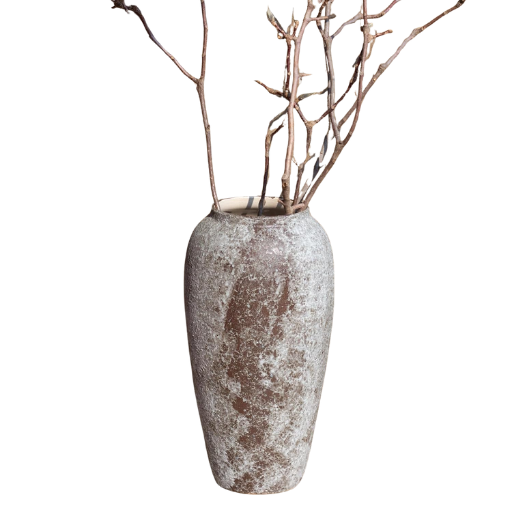
Relexome Ceramic Rustic Vase 13 in Large Wabi Sabi Home Living Room Table Decor
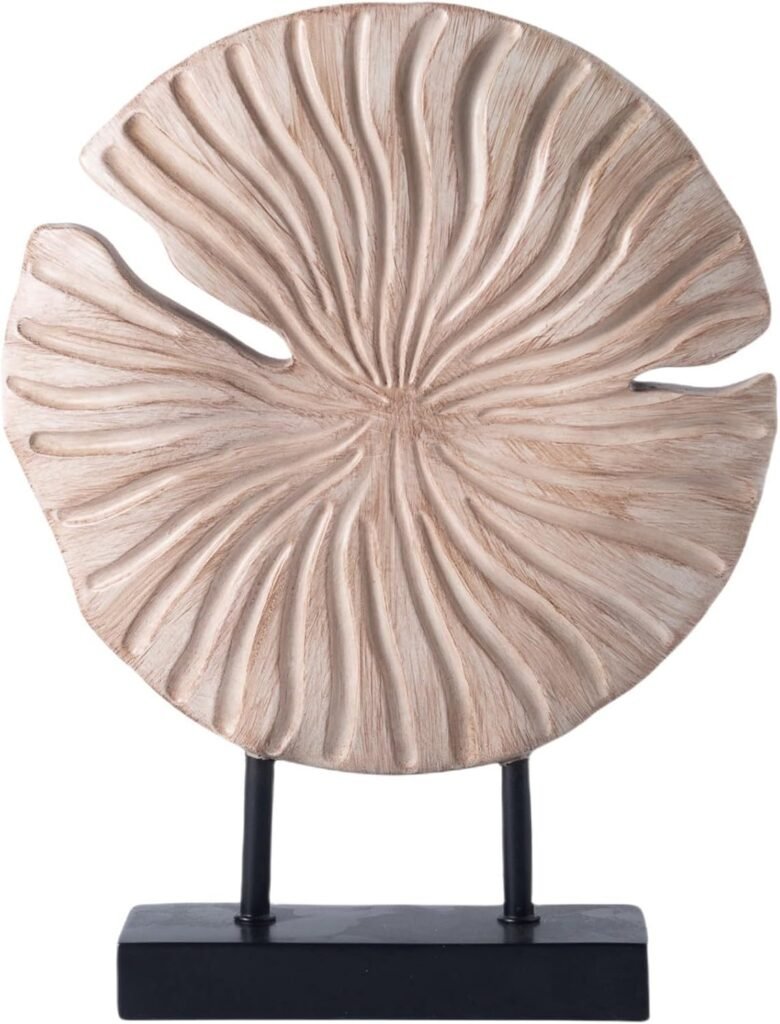
CECKQUE Wabi Sabi Sculptures Decor
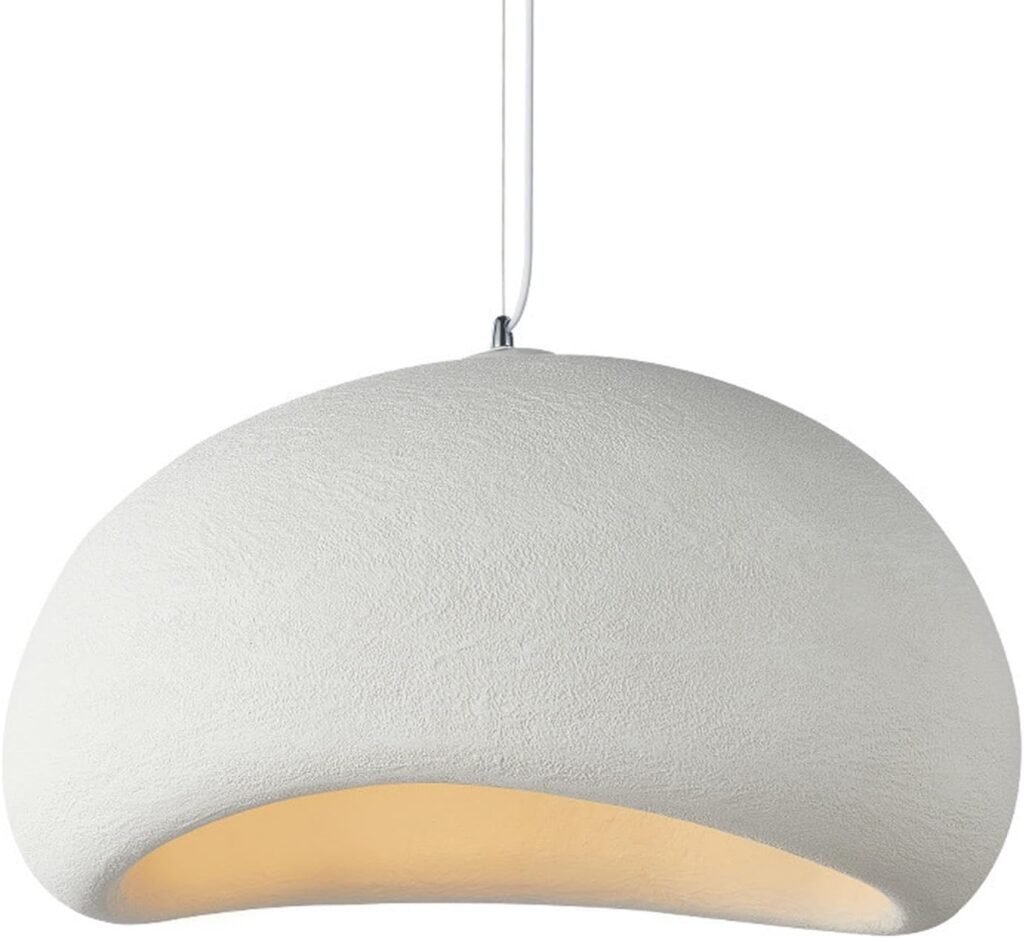
Modern Pendant Light Japanese Wabi-sabi Style
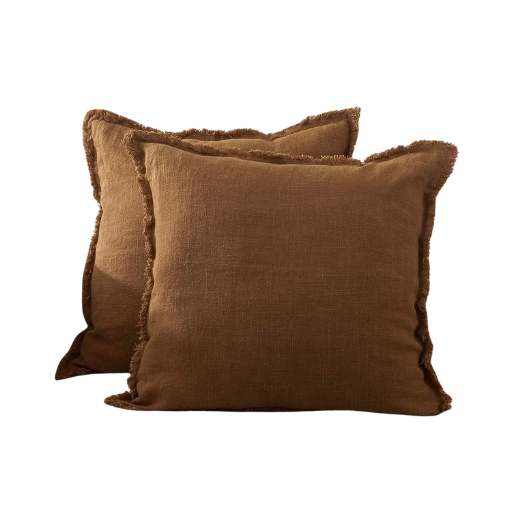
Linen Decorative Throw Pillow Cover 20» x 20» Fringed Throw Pillow Cover Pillow Cases Accent Pillows for Bed Brown Pillow Cover
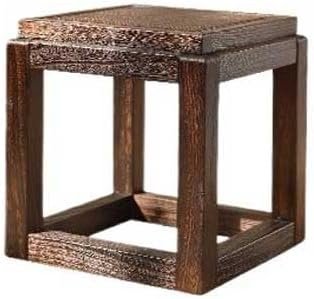
Chinese Style Wabi-sabi Style Coffee Table Stool Square Low Stool, Shoe Changing Stool Bedroom Bedside Stool Stool Chair(Small)
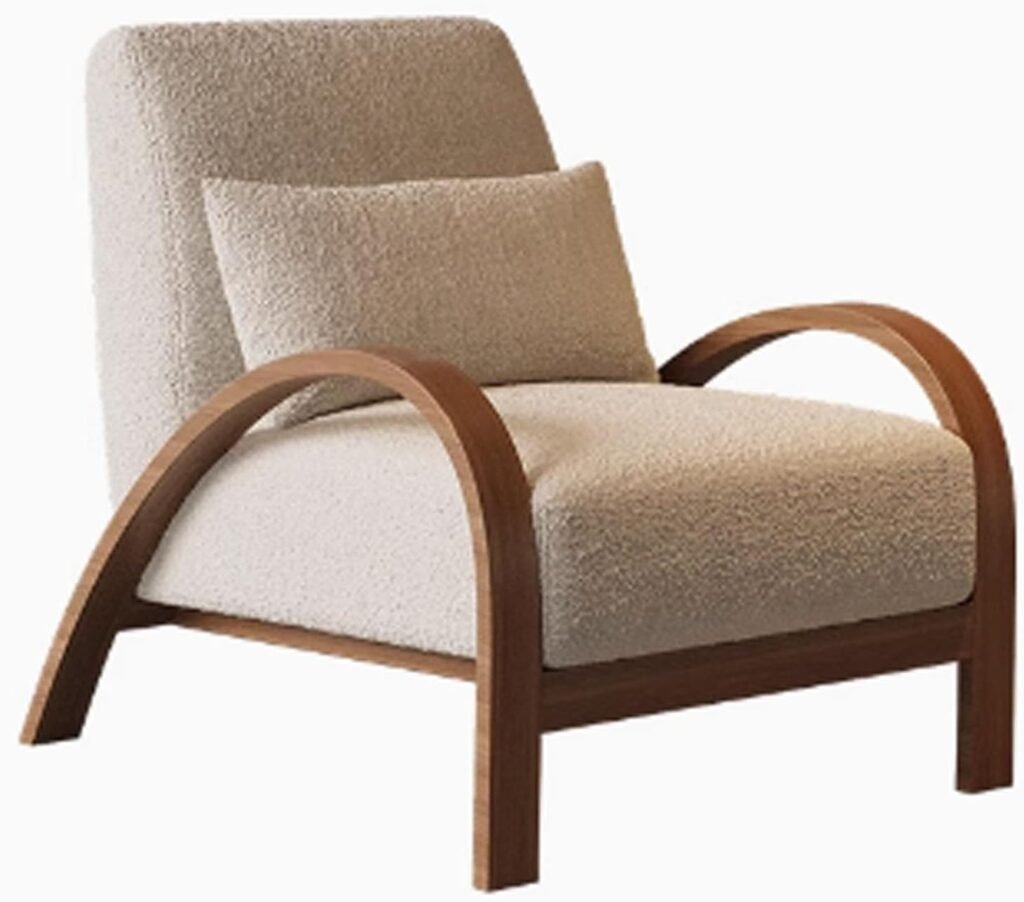
Comfy Sofa Chair, Wabi-sabi Style Living Room Single Sofa Chair, Bedroom Sofa Chair, Japanese Cream Style Balcony Lounge Chair, for Bedroom Dorm Office A
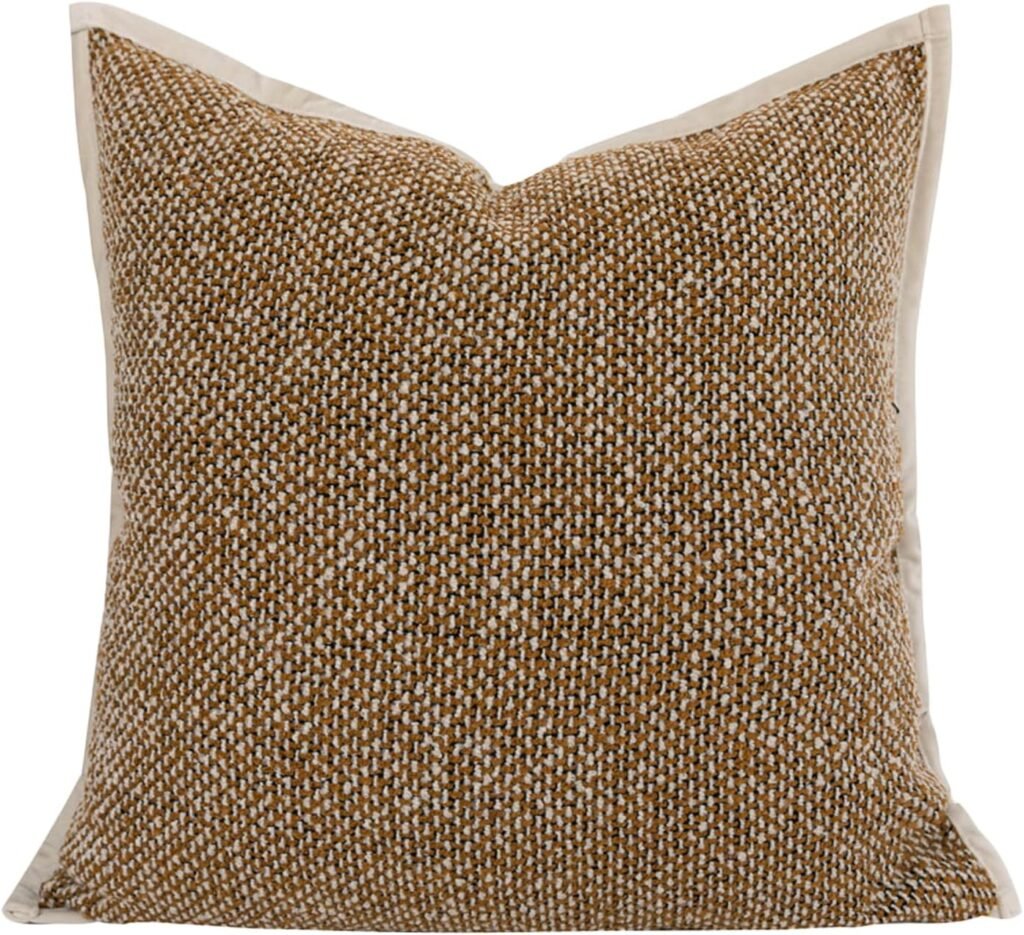
MAGOLIFE Out/Indoor 18×18 in Wheat Field Art Soft Decor Throw Pillow Cover Wabi-Sabi
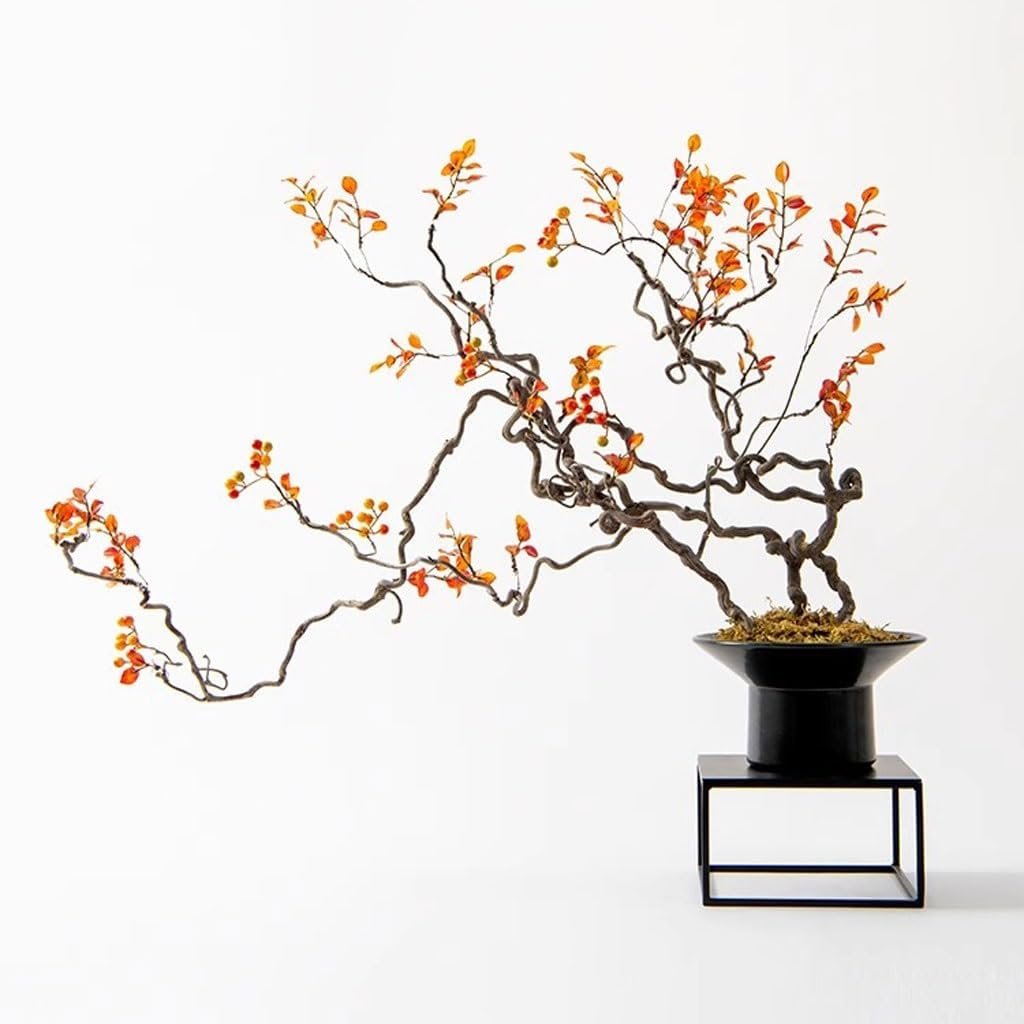
Artificial Plants Indoor Chinese Zen Autumn Leaf Berry Dried Branch Flower Art Bonsai Ornament Living Room Villa Wabi Sabi Wind Simulation Flower Fake Plant