

Introduction to Plant-Based Diets
In recent years, plant-based diets have gained significant traction among health enthusiasts, environmental advocates, and ethical consumers. A plant-based diet emphasizes foods derived from plants, which can include not only fruits and vegetables but also nuts, seeds, oils, whole grains, legumes, and beans. This shift from traditional diets to more plant-centric eating habits aligns with various health benefits, ecological considerations, and moral philosophies, thereby attracting a diverse array of followers.
The increasing interest in plant-based eating reflects a growing awareness of the health implications associated with diet. Numerous studies indicate that a plant-based diet can contribute to improved health outcomes, including lower risks of chronic diseases such as heart disease, diabetes, and certain types of cancer. Many individuals adopt this lifestyle to enhance their well-being, often citing aspects like weight management, better digestion, and increased energy levels as motivating factors.
Beyond personal health, many people are drawn to plant-based diets due to their positive environmental impact. The production of plant-based foods generally requires fewer natural resources and results in lower greenhouse gas emissions compared to animal farming. Consequently, individuals seeking to reduce their carbon footprint often find that transitioning to a plant-centric diet is a viable approach to support environmental sustainability.
Ethically, a plant-based diet addresses concerns surrounding animal welfare and industrial farming practices. By choosing to focus on plant-derived foods, individuals often feel they can make a conscious effort to reduce animal suffering and promote humane treatment within food production systems. This ethical dimension adds an additional layer of motivation, illustrating the multifaceted appeal of adopting a plant-based lifestyle.
In essence, individuals embarking on this culinary journey can expect to navigate a world enriched with a variety of flavors and nutritional benefits while contributing positively to both personal health and the planet. This guide will further explore the nuances of a plant-based diet and offer insights beneficial for those just beginning their transition.
What Defines a Plant-Based Diet?
A plant-based diet is fundamentally centered around the consumption of foods derived from plants. This approach emphasizes whole foods such as fruits, vegetables, whole grains, legumes, nuts, and seeds. While a strict vegan diet excludes all animal products, a plant-based diet is generally more flexible, allowing for varying degrees of animal product intake. The core principle is to prioritize plant foods while limiting or reducing the presence of animal-derived items.
One common misconception is that a plant-based diet must be entirely vegetarian or vegan. However, it can be adapted to include limited amounts of meat, dairy, and eggs, depending on individual preferences and health goals. The focus is on quality over quantity, encouraging individuals to choose minimally processed ingredients and seasonal, locally sourced produce when possible. This shift towards whole foods is beneficial for overall health, as it naturally leads to higher fiber intake and essential vitamins and minerals.
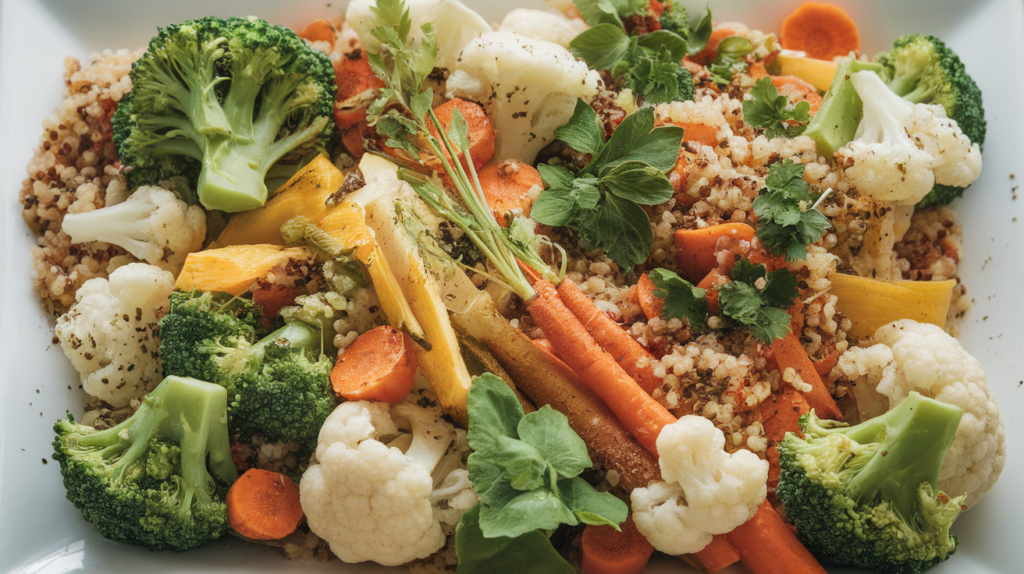
Moreover, transitioning to a plant-based diet is not a rigid process; it can be tailored to fit personal lifestyles. For example, some people may adopt a «meatless Monday» practice or gradually incorporate more plant foods into their meals. This gradual transition can be particularly helpful for beginners who may find it daunting to completely overhaul their eating habits. Additionally, the flexibility of a plant-based diet allows for incorporation of occasional animal products, making it a more sustainable lifestyle change for many individuals.
Ultimately, a plant-based diet promotes a balanced approach to eating, aligning with nutritional needs while fostering an appreciation for the diversity of food sources available through plants. Emphasizing whole, nutrient-dense foods contributes to overall well-being and can lead to various health benefits, including reduced risk of chronic diseases.
Health Benefits of a Plant-Based Diet
Adopting a plant-based diet offers a multitude of health benefits that can significantly enhance an individual’s quality of life. One of the most notable advantages is effective weight management. Plant-based diets are typically lower in calories and higher in fiber, which can contribute to a feeling of fullness and satisfaction after meals. This natural satiety can lead to reduced caloric intake without the need for portion control, making it easier to maintain a healthy weight.
In addition to aiding in weight management, a plant-based diet has been linked to a reduced risk of chronic diseases. Numerous studies indicate that individuals who primarily consume plant foods have lower rates of heart disease, hypertension, type 2 diabetes, and certain types of cancer. The abundance of antioxidants, vitamins, and minerals present in fruits, vegetables, whole grains, nuts, and seeds supports overall cardiovascular health and strengthens the immune system. By including these nutrient-rich foods in one’s diet, individuals can improve their long-term health outcomes.
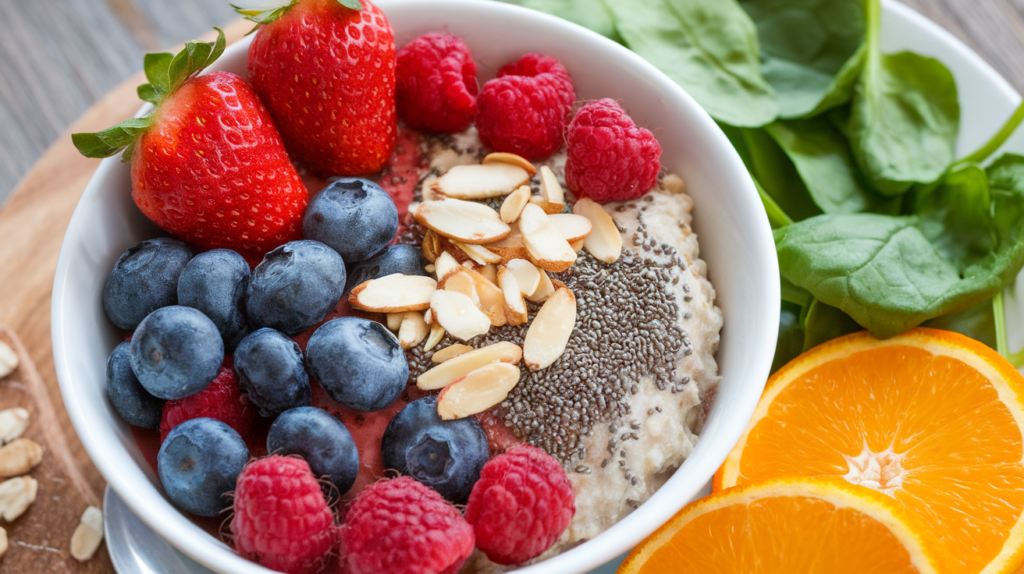
Moreover, a diet centered around plant-based foods can significantly improve digestion. Foods high in fiber promote a healthy gut, aiding in regular bowel movements and the maintenance of beneficial gut bacteria. Enhanced digestion not only contributes to better nutrient absorption but also improves overall gut health, which has been shown to play a crucial role in overall physical and mental well-being.
Beyond physical health, many individuals report enhanced overall well-being after transitioning to a plant-based lifestyle. The ethical and environmental considerations associated with this diet can also contribute positively to one’s mental health, fostering a sense of purpose and satisfaction. The Complete Plant-Based Digital Cookbook is an excellent resource for beginners seeking to explore healthy and delicious recipes, making the transition to a plant-based diet enjoyable and sustainable.
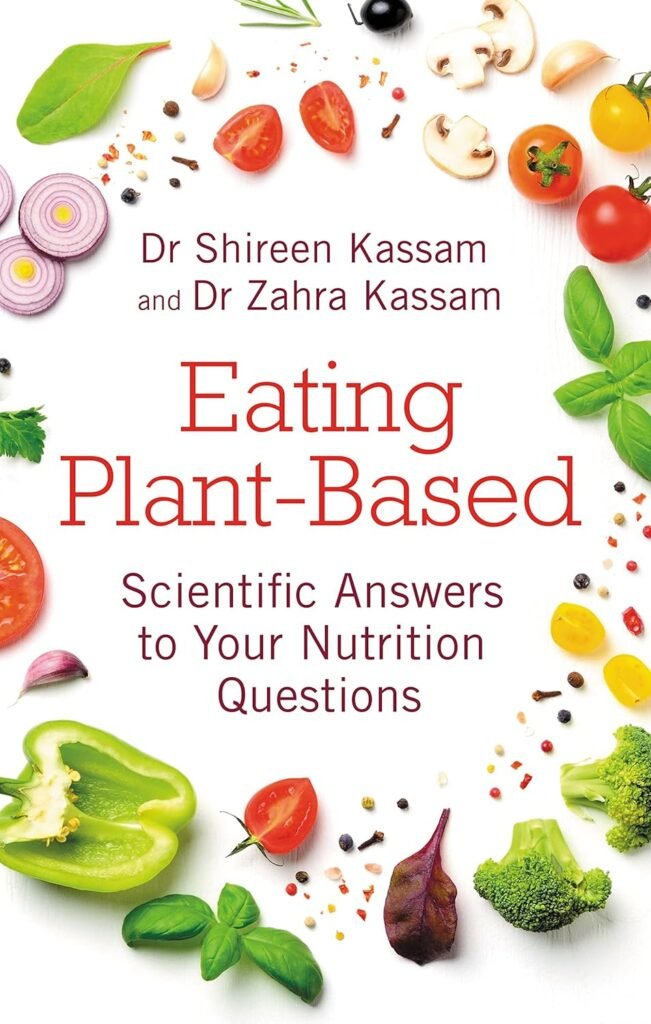
Eating Plant-Based: Scientific Answers to Your Nutrition Questions
Common Plant-Based Diet Variations
A plant-based diet encompasses a range of eating habits that prioritize plant-derived foods. Among the most well-known variations are vegan, vegetarian, and flexitarian diets, each offering unique approaches to incorporating plant-based foods while allowing varying levels of animal product consumption.
The vegan diet is entirely devoid of animal products, including meat, dairy, eggs, and any other derived ingredients. This approach not only emphasizes the consumption of fruits, vegetables, legumes, grains, nuts, and seeds but also seeks to align with ethical, environmental, and health-conscious principles. Veganism can be quite restrictive, which might deter some individuals, yet it also opens doors to a diverse array of culinary experiences through the creative use of plant ingredients.
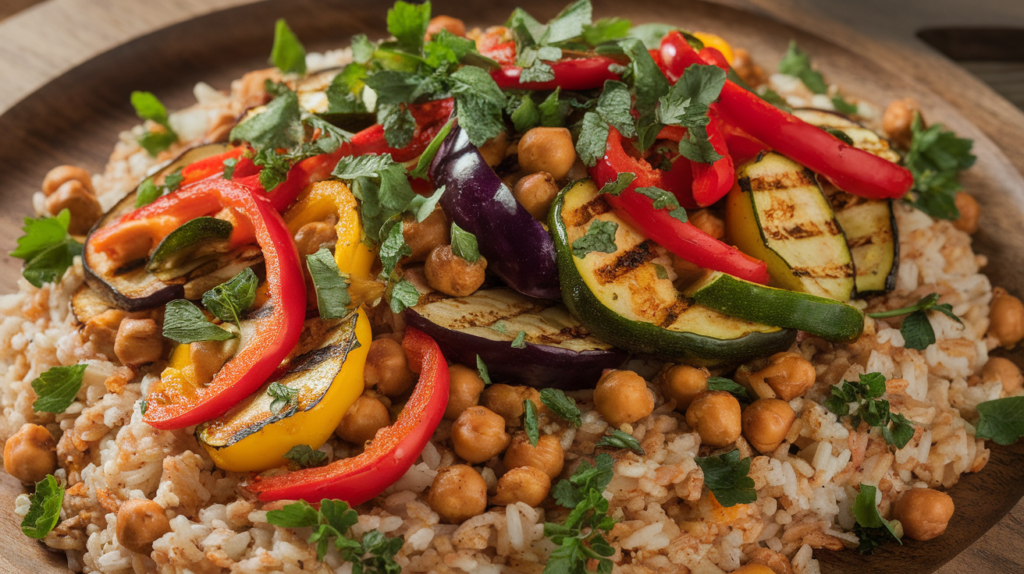
On the other hand, the vegetarian diet allows for the consumption of dairy products and eggs but excludes meat and fish. Within vegetarianism, there are subcategories such as lacto-vegetarian (includes dairy), ovo-vegetarian (includes eggs), and lacto-ovo-vegetarian (includes both dairy and eggs). This flexibility may appeal to those who wish to adopt a plant-based lifestyle without completely forgoing all animal products.
The flexitarian diet adopts a more moderate approach, encouraging primarily plant-based eating while allowing occasional consumption of meat and dairy. This option is particularly attractive for individuals who find it challenging to commit entirely to a vegan or vegetarian lifestyle. By reducing their animal product intake, flexitarians can enjoy health benefits associated with a plant-based diet while still retaining some familiar foods.
Other variations include the whole-food plant-based diet, which focuses on unprocessed plant foods, and the raw food diet, centering solely on uncooked, unprocessed plant items. Each of these approaches can cater to varying preferences and lifestyles, making it essential for individuals to explore the options to find the best fit for their health and ethical beliefs.
How to Transition to a Plant-Based Diet
Transitioning to a plant-based diet is an enriching journey that may seem daunting at first. However, with careful planning and gradual changes, beginners can adopt this healthy lifestyle seamlessly. It is essential to approach this transition with a mindset of flexibility and openness to new foods and flavors. One effective strategy is to start by incorporating more plant-based meals into your weekly menu. Aim to replace one or two meat-based meals with plant-based options at the beginning. This can ease the process and allow your palate to adjust.
Meal planning is another critical aspect that plays a pivotal role in a successful transition. Planning your meals for the week can help you ensure that you are incorporating a variety of fruits, vegetables, legumes, and whole grains into your diet. To facilitate this, consider creating a grocery shopping list that includes plant-based staples such as quinoa, beans, lentils, nuts, seeds, and a diverse selection of vegetables and fruits. This preparation not only saves time during the week but also minimizes the risk of impulsively purchasing non-plant-based items.
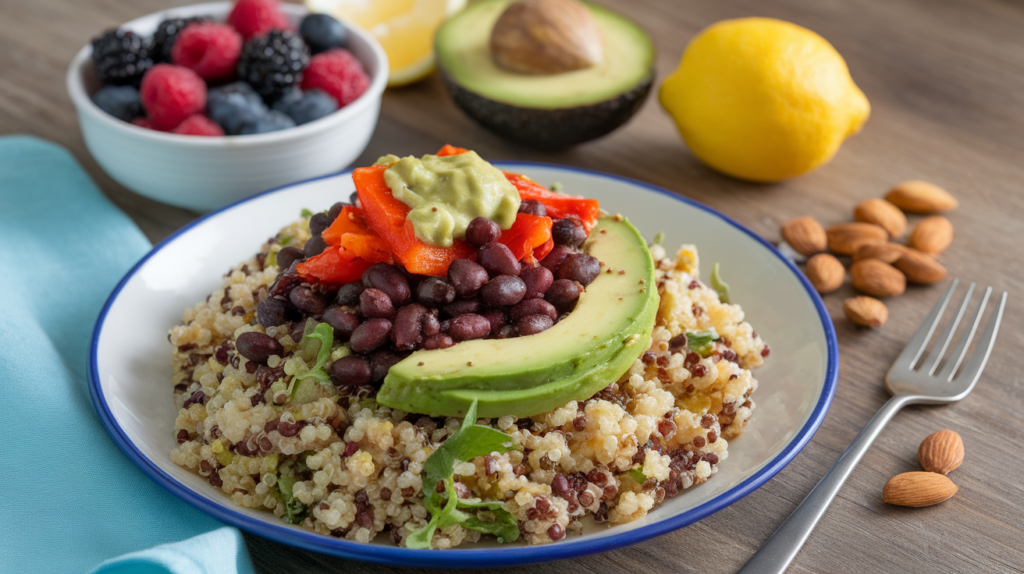
Furthermore, it is important to be aware of common pitfalls when making the switch. Many individuals might feel overwhelmed by the sheer information available about plant-based eating or mistakenly think they need to eliminate all animal products at once. Instead, consider a gradual approach where you try new recipes and products regularly. This will help you discover your preferences and build a sustainable and enjoyable plant-based lifestyle. Additionally, get support from online communities or local groups that share similar interests, as sharing experiences and recipes can enhance your journey. Always remember to listen to your body and make adjustments as needed, as this transition is ultimately about cultivating a healthier you.

PlantYou: 140+ Ridiculously Easy, Amazingly Delicious Plant-Based Oil-Free Recipes
Essential Nutrients to Focus On
Individuals adopting a plant-based diet may encounter unique nutritional challenges, necessitating careful attention to certain essential nutrients. Among these, protein plays a crucial role in maintaining muscle mass and supporting various bodily functions. While animal products are typically associated with high protein content, numerous plant-based sources can effectively meet protein needs. Legumes, lentils, chickpeas, quinoa, and soy products such as tofu and tempeh are excellent choices that contribute to adequate protein intake.
Vitamin B12, essential for nerve function and the production of red blood cells, poses a particular concern for those on a plant-based diet. This vitamin is predominantly found in animal-derived food products. Therefore, it is advisable for individuals following a plant-based diet to consider fortified foods or supplements, ensuring they meet the recommended daily intake to prevent deficiencies.
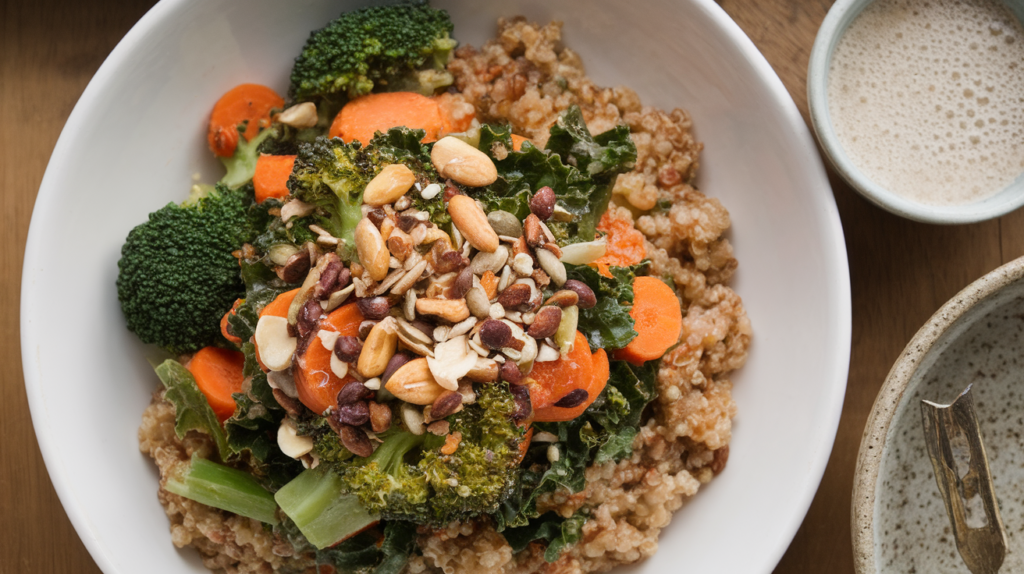
Another critical nutrient to monitor is iron, which is vital for the transportation of oxygen in the blood. Plant-based sources of iron, such as leafy greens, lentils, and nuts, contain non-heme iron, which is not as readily absorbed as the heme iron found in animal products. Pairing these foods with vitamin C-rich items, like citrus fruits and bell peppers, can enhance iron absorption significantly.
Calcium is also important for bone health, and while dairy products are conventional sources, various plant-based options can serve this purpose. Almonds, tofu, broccoli, and fortified plant milks are excellent calcium-rich alternatives. Lastly, omega-3 fatty acids, crucial for heart and brain health, may be found in flaxseeds, chia seeds, and walnuts. Including these foods in a plant-based diet can contribute to overall health and vitality, helping individuals thrive in their dietary journey.
Recommend article: The 10 Nutrients You Must Watch on a Plant-Based Diet
Meal Ideas and Recipes
Embarking on a plant-based diet can initially seem daunting, but there is an abundance of flavorful and diverse meal options available to inspire you. A plant-based diet predominantly focuses on consuming whole, plant-derived foods, which can include fruits, vegetables, whole grains, legumes, nuts, and seeds. Therefore, it is essential to explore various meal ideas that are not only easy to prepare but also satisfying and nutritious.
For breakfast, consider indulging in a hearty oatmeal bowl topped with fresh fruits, nuts, and a drizzle of maple syrup. Alternatively, smoothie bowls packed with spinach, banana, and almond milk can be an energizing start to your day. A chia seed pudding, infused with vanilla and topped with berries, also makes for a refreshing breakfast option.
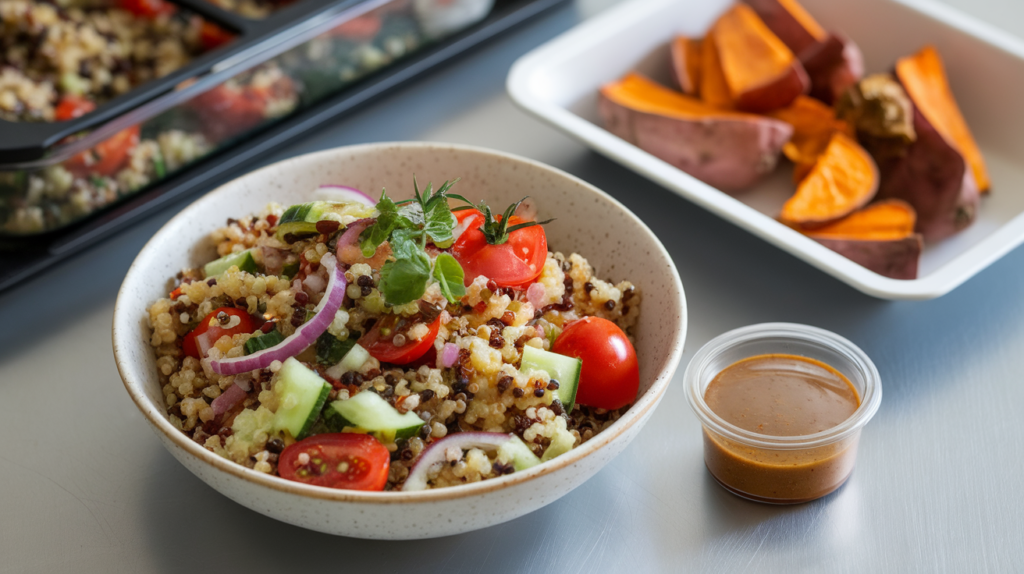
At lunchtime, a vibrant quinoa salad with chickpeas, diced bell peppers, and avocado tossed in a lemon-tahini dressing serves as a filling and nutrient-dense meal. Wraps filled with hummus, grated carrots, spinach, and cucumbers provide a quick and satisfying option, perfect for on-the-go lunches.
Dinner can be delightful with a simple stir-fry featuring seasonal vegetables and firm tofu, seasoned with soy sauce and ginger, served over brown rice. A comforting lentil stew flavored with herbs and served with whole-grain bread is another wonderful way to enjoy a wholesome meal.
To make the most out of your plant-based cooking, consider exploring the Complete Plant-Based Digital Cookbook. This resource is an invaluable tool for beginners, offering an array of enticing recipes that cater to a wide range of taste preferences. With various options like hearty soups, vibrant salads, and indulgent desserts, this cookbook ensures that meal planning remains exciting and enjoyable throughout your plant-based journey.
Challenges and Solutions
Adopting a plant-based diet can be a rewarding yet challenging transition for many individuals. One of the primary hurdles is navigating social situations. Family gatherings, dining out, or attending events with friends can present difficulties, as not all menus cater to plant-based options. To alleviate this challenge, it is beneficial to communicate dietary preferences in advance and suggest plant-based dishes to be included in the meal planning. Furthermore, bringing your own dishes can ensure there are options that align with your diet while also sharing delicious plant-based recipes with others.
Cravings for familiar foods, particularly those derived from animal products, can make the switch to a plant-based lifestyle daunting. It is common to miss the taste or texture of these foods, leading some to feel discouraged. To address this, exploring plant-based substitutes for beloved meals can be advantageous. Many manufacturers now offer plant-based versions of cheese, meat, and dairy that closely mimic their traditional counterparts. Engaging in cooking classes or following online tutorials can also help in discovering new inspirations and techniques to prepare satisfying plant-based meals.
Meal variety also tends to be a concern, especially for those who may not be accustomed to cooking with diverse ingredients. To overcome this, creating meal plans can be extremely effective. A structured plan can promote the inclusion of varied fruits, vegetables, grains, and legumes, keeping meals exciting and nutritious. Joining social media groups or forums dedicated to plant-based diets can provide a wealth of recipes and cooking tips. Regular experimentation with different cuisines can enhance your culinary repertoire and keep motivation levels high as you embark on this journey.
Conclusion: Embracing a Plant-Based Lifestyle
As we have explored throughout this guide, adopting a plant-based diet is not merely a dietary choice; it encompasses a holistic lifestyle shift that offers substantial benefits across various dimensions. From improved health outcomes, such as lower risks of chronic diseases, to significant environmental advantages, transitioning to a plant-based lifestyle can be both rewarding and practical. Furthermore, integrating ethical considerations about animal welfare into one’s lifestyle adds a layer of meaning to this dietary transition.
Key takeaways from this guide emphasize the importance of understanding what constitutes a plant-based diet. It encompasses whole foods, fruits, vegetables, legumes, nuts, and seeds, while minimizing or eliminating animal products. This approach provides an array of nutrients essential for maintaining optimal health. By making informed choices and focusing on nutrient-dense foods, individuals can ensure their diet remains balanced and fulfilling. Moreover, we have highlighted practical tips for maintaining variety and creativity in meal planning, which can alleviate feelings of restriction often associated with dietary changes.
To embrace a plant-based lifestyle effectively, we encourage readers to start small. Simple steps include incorporating more plant-based meals into the weekly routine and exploring the diverse flavors of global cuisines that celebrate plant ingredients. Additionally, leveraging resources such as cookbooks, online communities, and cooking classes can significantly aid in the transition process. For those just beginning, gradual incorporation rather than a complete overhaul often leads to greater long-term success and enjoyment.
In conclusion, undertaking a plant-based lifestyle not only promotes personal health and well-being but also contributes positively to global sustainability efforts. By making mindful food choices today, individuals can cultivate a sense of responsibility and connection to their health, the planet, and the communities they inhabit. The journey to embracing a plant-based lifestyle is empowering and can lead to a transformative experience.
If you are interested in learning more about the plant-based diet, we suggest you read the following article. The 10 Nutrients You Must Watch on a Plant-Based Diet
Disclaimer:
The content provided in this article is for informational purposes only and should not be considered as professional advice. The information shared here is not intended to replace or substitute any medical or professional dietary recommendations. Always consult with your healthcare provider or a registered dietitian before making any changes to your diet, exercise routine, or health regimen. Your individual health needs may vary, and only a qualified professional can provide personalized guidance based on your specific condition.