
Non-Toxic Sprays for the Home: What to Look For, Where to Use Them, and What to Avoid
4/16/20266 min read

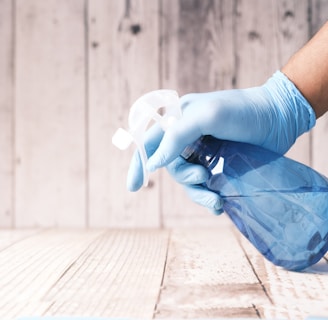
Non-toxic sprays can sound like the easiest solution for a cleaner home.
One bottle for the kitchen. One for the bathroom. Maybe one all-purpose spray that promises to handle almost everything.
Simple, right?
Sometimes, yes.
But labels can be confusing. One product says non-toxic. Another says natural. Another says plant-based. Another says green, eco-friendly, biodegradable, fragrance-free, or safe for the whole home.
So how do you know what is actually useful?
This guide will help you understand what non-toxic sprays for the home can do, where they make sense, what to look for on labels, and what mistakes to avoid.
If you are just starting to simplify your cleaning cabinet, you may also find our guide on how to switch to eco-friendly cleaning without getting overwhelmed helpful.
What Does “Non-Toxic Spray” Really Mean?
The phrase “non-toxic” can be helpful, but it is not always perfectly clear.
In everyday home cleaning, people often use “non-toxic” to mean a product feels gentler, lower-tox, lower-scent, plant-based, or less harsh than traditional cleaning products.
But the term can vary depending on the brand, ingredients, and product category.
A non-toxic spray is not automatically:
Safe for every surface
Safe to inhale heavily
Safe for every person
Safe for every pet
A disinfectant
A replacement for reading the label
A good choice for every mess
That does not mean these sprays are bad. It simply means you still need to use them thoughtfully.
Non-Toxic vs Natural vs Fragrance-Free
These terms are often used together, but they do not mean the same thing.
Non-Toxic
Usually suggests a product is designed to be less concerning for normal household use when used as directed.
Still, you should check the label, ingredients, and safety instructions.
Natural
Usually suggests ingredients may come from natural sources.
But natural does not always mean safe for every surface or every household.
Vinegar is natural, but it can damage stone.
Essential oils are natural, but they can be strong for scent-sensitive people or certain pets.
Plant-Based
Plant-based products may use ingredients derived from plants, but formulas still vary.
You still need to check usage instructions and warnings.
Fragrance-Free
Fragrance-free usually means no added fragrance ingredients.
This can be useful for scent-sensitive homes.
If strong scents bother your household, read our guide to fragrance-free cleaning products.
Unscented
Unscented does not always mean fragrance-free. Some unscented products may include masking ingredients to hide the smell of the formula.
This is why reading labels matters.
Where Non-Toxic Sprays Work Well
Non-toxic sprays can be very useful for everyday maintenance cleaning.
They often work well for:
Kitchen counters
Dining tables
Bathroom sinks
Light dust
Fingerprints
Fresh spills
Appliance exteriors
High-touch areas
Quick wipe-downs
Daily cleaning habits
They are especially helpful when you want to clean small messes before they become dried-on, sticky, or greasy.
A gentle spray and a reusable cloth can handle many everyday tasks.
Where to Be More Careful
Even gentle sprays are not right for every surface.
Be careful with:
Natural stone
Unsealed wood
Unsealed grout
Waxed furniture
Electronics
Screens
Leather
Delicate fabrics
Baby toys
Pet bowls
Food-contact surfaces
Specialty finishes
Some surfaces need specific cleaners. Others may need rinsing after cleaning.
When in doubt, spray a small hidden area first or check the manufacturer’s surface-care instructions.
Do Non-Toxic Sprays Disinfect?
Not necessarily.
This is one of the biggest beginner misunderstandings.
A cleaning spray removes dirt, residue, dust, grease, or everyday messes.
A disinfectant is designed to kill certain germs when used exactly according to the label.
A product is not a disinfectant unless the label clearly says it disinfects and gives instructions for contact time.
For many daily cleaning tasks, disinfecting is not needed. But there are times when it may be appropriate, such as after raw meat contact, during illness, or for certain bathroom situations.
For a more balanced approach, read our guide to safer cleaning routines.
What to Look for on the Label
Before buying a non-toxic spray, check more than the front of the bottle.
Look for:
Surface instructions
Ingredient transparency
Fragrance information
Warnings or cautions
Whether rinsing is required
Whether it is safe for food-contact surfaces
Whether it is safe around pets once dry
Whether it is a cleaner or disinfectant
Recommended contact time
Storage instructions
A good label should make the product easier to understand, not more confusing.
Ingredients and Claims to Watch Carefully
Some product claims sound comforting, but they still need context.
“Natural Fragrance”
Natural fragrance can still be strong.
If you are sensitive to scent, do not assume natural fragrance will feel gentle.
“Essential Oil-Based”
Essential oils can smell pleasant, but they can be irritating for some people and may not be ideal in every household.
Use lightly and carefully.
“Plant-Based”
Plant-based ingredients can be useful, but the whole formula matters.
A plant-based spray still needs proper label directions.
“No Harsh Chemicals”
This phrase can be vague.
Instead of relying only on marketing claims, look for clear ingredient and usage information.
How to Use Non-Toxic Sprays Safely
Use sprays with the same common sense you would use with any cleaner.
Open a window or turn on a fan when possible.
Spray onto the cloth instead of into the air when practical.
Use only the amount needed.
Avoid spraying near food.
Keep products away from children and pets.
Do not mix with other cleaners.
Rinse food-contact surfaces if the label says to.
Store bottles closed and labeled.
Let surfaces dry before normal use.
These habits are simple, but they make your routine feel much safer and calmer.
Refillable Sprays vs Ready-to-Use Sprays
Some non-toxic sprays come ready to use.
Others come as concentrates, tablets, or refills that you mix with water in a reusable bottle.
Ready-to-use sprays are convenient, especially if you do not want to mix anything.
Refillable sprays may reduce packaging waste and help keep your cleaning cabinet more organized.
If you are interested in refillable systems, read our guide to reusable spray bottles for cleaning.
Homemade Non-Toxic Sprays: Are They Worth It?
Homemade sprays can be useful, but they are not perfect for everything.
A simple homemade spray might include water and a small amount of dish soap for everyday wiping.
Some people also use vinegar-based sprays for certain mineral buildup or glass cleaning where the surface is safe.
But homemade cleaners can be risky if used on the wrong surface or mixed incorrectly.
Avoid using homemade sprays on:
Natural stone
Electronics
Unsealed wood
Delicate surfaces
Food items
Unknown finishes
If you want to explore simple DIY cleaning carefully, start with our guide to homemade cleaning basics.
Best Places to Start With Non-Toxic Sprays
If you are switching gradually, start with the product you use most often.
For many homes, that is an all-purpose spray.
Then consider replacing one more product at a time:
Kitchen counter spray
Bathroom sink spray
Glass spray
Dusting spray
Fragrance-free daily cleaner
Do not replace everything at once. That can become expensive and frustrating.
A slower approach gives you time to learn which products actually work for your home.
Helpful note: To check current prices or explore product options on Amazon, simply click on the tool names below. Some links may be affiliate links, which means Harmony Home Lab may earn a small commission at no extra cost to you. This helps support the website and allows us to keep creating helpful home guides for readers.
Useful tools for this routine:
Fragrance-free all-purpose cleaner
Common Beginner Mistakes
Assuming One Spray Works Everywhere
No spray is right for every surface.
Always check the label before using it on stone, wood, electronics, or delicate finishes.
Confusing Cleaning With Disinfecting
A non-toxic spray may clean well but still not disinfect.
Check the label if disinfecting matters for the task.
Using Too Much Product
More spray does not always mean cleaner.
Too much product can leave residue and make surfaces sticky.
Ignoring Fragrance
A product can be marketed as natural and still smell very strong.
If scent matters in your home, choose fragrance-free or low-scent options.
Mixing With Other Cleaners
Do not mix non-toxic sprays with bleach, vinegar, disinfectants, toilet cleaners, or other products unless the label specifically says it is safe.
Spraying Directly Into the Air
Spraying onto a cloth first can reduce overspray and make the product easier to control.
A Simple Low-Tox Spray Routine for Beginners
Here is an easy way to start:
Choose one gentle all-purpose spray.
Pair it with reusable cleaning cloths.
Use it for daily kitchen and bathroom wipe-downs where surface-safe.
Spray onto the cloth when possible.
Keep a stronger disinfectant only for situations that actually need it.
Label refillable bottles clearly.
Store products safely.
Replace one product at a time.
That is enough.
You do not need a perfect cleaning cabinet to begin creating a lower-tox home.
FAQ: Non-toxic sprays for the home
What are non-toxic sprays for the home?
Non-toxic sprays are cleaning sprays designed to feel gentler or lower-tox for normal household use when used as directed. The meaning can vary by product, so always read the label.
Are non-toxic sprays safe for all surfaces?
No. Some sprays may damage natural stone, wood, electronics, or delicate finishes. Always check surface instructions first.
Do non-toxic sprays disinfect?
Not always. A spray only disinfects if the label clearly says it does and includes disinfecting directions.
Are natural sprays better than regular cleaners?
It depends on the task. Natural sprays may work well for everyday cleaning, but some messes need targeted cleaners or disinfectants.
What is the difference between fragrance-free and unscented?
Fragrance-free usually means no added fragrance ingredients. Unscented products may still include masking ingredients.
Can I use non-toxic sprays around pets?
Some may be suitable once dry, but every product is different. Check the label and avoid spraying near pet bowls, bedding, or animals.
Can I make my own non-toxic spray?
Yes, but homemade sprays should be used carefully. Not every DIY cleaner is safe for every surface.
What should I look for before buying a non-toxic spray?
Look for clear surface instructions, ingredient transparency, fragrance information, safety notes, rinsing guidance, and whether it cleans or disinfects.
Final Thoughts
Non-toxic sprays can be a helpful part of a simpler, lower-tox home routine.
But the best spray is not the one with the prettiest label or the biggest promise.
The best spray is the one that fits your surfaces, your scent preferences, your household needs, and your actual cleaning habits.
Start with one product. Read the label. Use it carefully. Pair it with reusable tools. Keep your routine simple.
That is how lower-tox cleaning becomes something you can actually maintain.
HarmonyHomeLab
Helping families create cleaner, healthier homes with simple eco-friendly cleaning tips, honest reviews, and practical guides.
Contact by email
Join the HarmonyHomeLab newsletter
hello@harmonyhomelab.com
© 2026 All rights reserved.
Affiliate Disclosure: Some links on this website may be affiliate links, which means we may earn a commission at no extra cost to you.